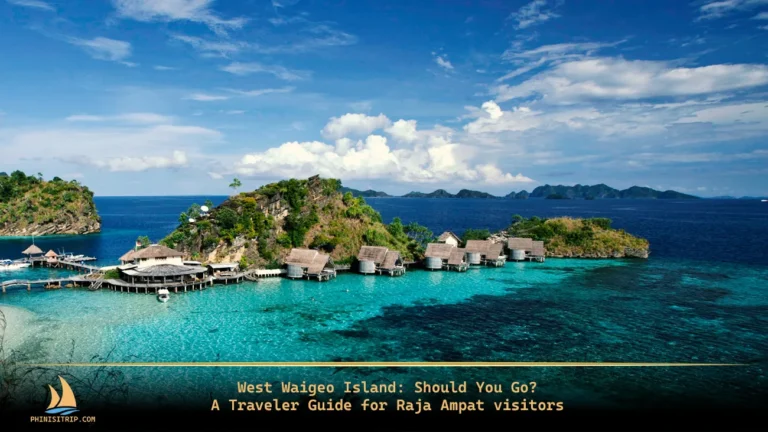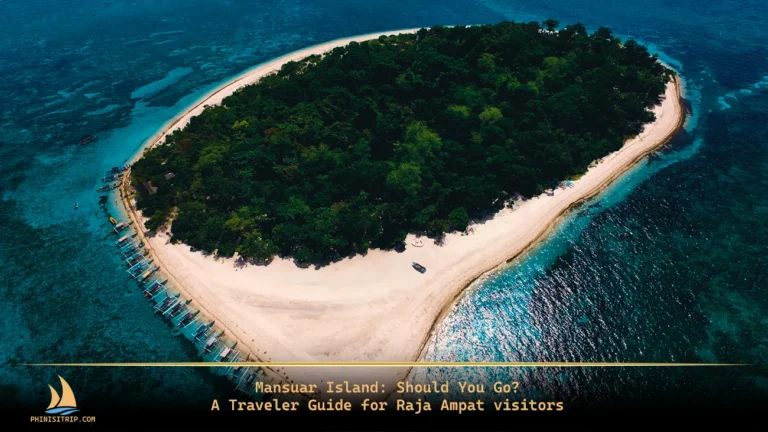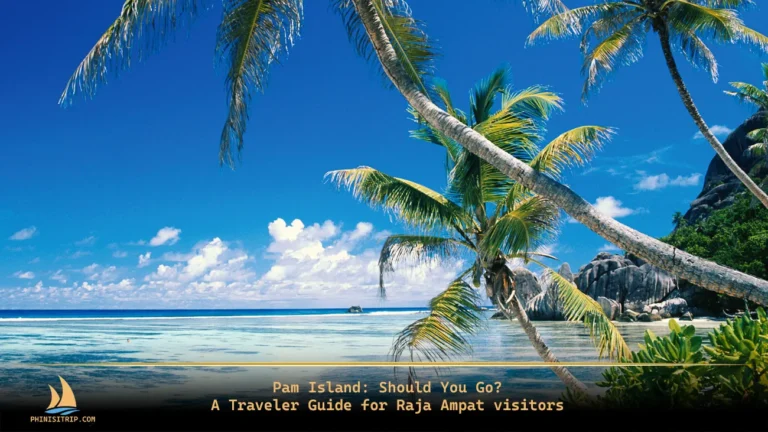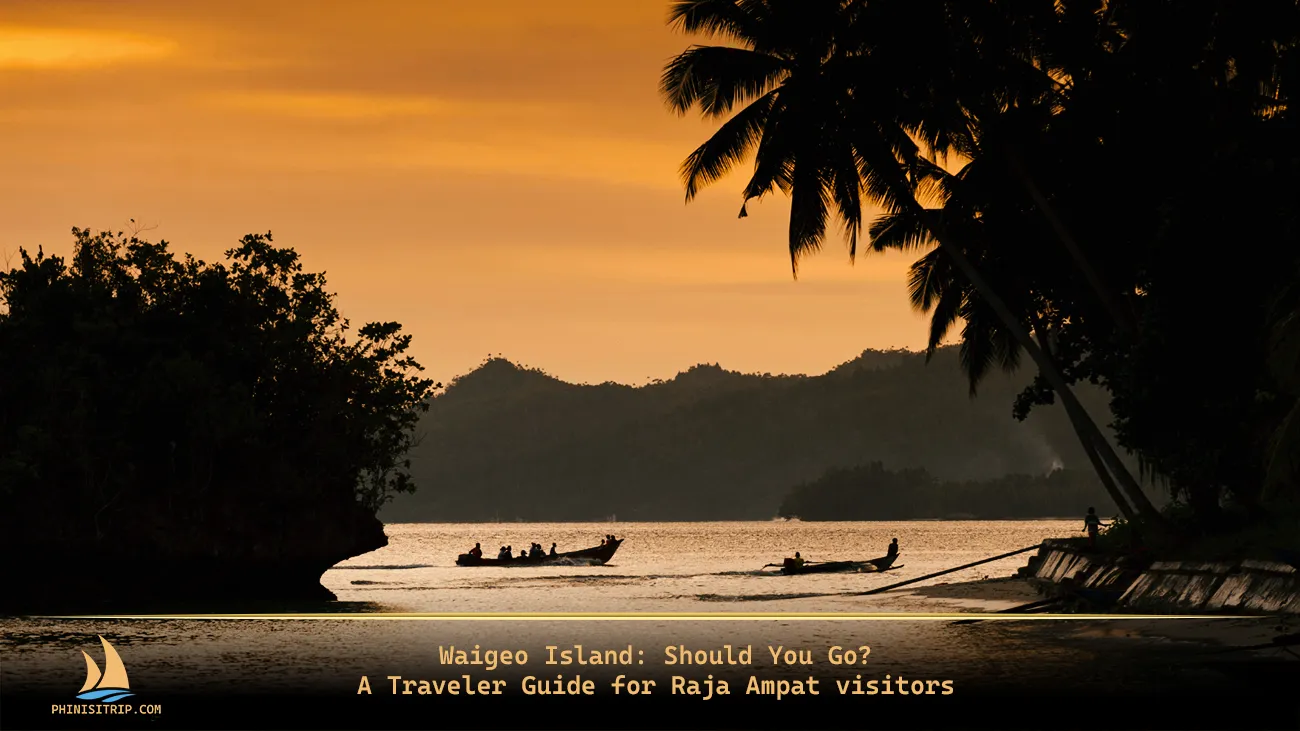
Waigeo is the largest island in Raja Ampat and the geographic and cultural heart of the archipelago. Known for its rugged beauty, rainforest-covered mountain ranges, and extraordinary marine biodiversity, Waigeo offers travelers a complete look into what makes West Papua one of the most remarkable destinations in the world. It is a place where ancient stories still shape daily life, coral ecosystems thrive in dazzling abundance, and remote villages welcome visitors with warm hospitality rooted in centuries of maritime tradition.
This guide explores everything you need to know about Waigeo. From its underwater wonders and jungle wildlife to cultural encounters and practical travel details, you will find a comprehensive look at why Waigeo stands as one of the most essential stops for anyone visiting Raja Ampat.
| Category | Details |
|---|---|
| Attractions | • Wildlife rich forests home to endemic birds, marsupials, reptiles, orchids, and medicinal plants • Fully supported jungle trekking routes including multi day expeditions in Mayalibit Bay and West Waigeo • Mayalibit Bay, a vast inland sea with traditional fishing zones and cultural heritage • Kabui Bay and the Kabui Passage with limestone karsts and exceptional snorkeling • Ancient cultural sites including petroglyphs and historical cave shelters • Diverse village life across fishing communities, farming settlements, and coastal hubs • Spectacular seascapes in Kabui, Mayalibit, West Waigeo, and the remote northern capes |
| Size | Over 3,000 square kilometers, the largest island in Raja Ampat |
| Coastline Length | Over 900 kilometers of bays, beaches, mangroves, and limestone headlands |
| Number of Villages | 34 villages distributed around coastal and inland areas |
| Number of Homestay Association Homestays | 7 registered homestays on mainland Waigeo, plus multiple nearby homestays on adjacent small islands |
| Average Cost of 1 Way Transfer From Waisai to Waigeo Homestays | IDR 500,000 (~USD 34) depending on distance and weather |
| Average Travel Time to Homestays Near Waisai (By Road) | 30 minutes via paved and semi paved roads |
| Average Travel Time to Remote West Waigeo Homestays | Around 1 hour by road, longer for boat access points |
| Nearby Islands With Homestays | Friwen, Gam, West Waigeo islets, Arborek, Mansuar (optional addition if needed contextually) |
| Marine Biodiversity | Direct access to Dampier Strait megafauna, manta feeding zones, reef shark habitats, and high density coral ecosystems |
| Popular Activities | Birdwatching for Red Bird of Paradise and Wilson’s Bird of Paradise, jungle trekking, cultural visits, snorkeling, kayaking, cave exploration |
| Unique Features | Only island in Raja Ampat featuring both major marine ecosystems and extensive terrestrial rainforest wilderness |
| Conservation Notes | Part of Raja Ampat Marine Protected Area network, traditional sasi zones in Mayalibit Bay, active community conservation programs |
What Makes Waigeo Unique
Waigeo feels like the archipelago in microcosm. It brings together rainforest trekking, pristine beaches, mangrove systems, limestone bays, and some of the richest marine ecosystems on Earth. As the northernmost of the Four Kings, the island sits at the gateway to Raja Ampat’s vast marine network which also includes Misool, Batanta, and Salawati. Together they anchor an extraordinary biodiversity corridor that scientists have long regarded as a living treasure within the Coral Triangle.
The island is divided into two main landmasses separated by the narrow Majalibit Bay. Both sides offer deeply contrasting landscapes, from lush highlands to karst coastlines and sheltered lagoons. For travelers, Waigeo’s size means variety. Whether you seek diving in remote straits, birding expeditions, cultural immersion, or quiet days on isolated beaches, Waigeo delivers a different experience in each region.
Nearby destinations like Kri Island, Gam Island, and Arborek Island often lend themselves to multi day itineraries, but Waigeo remains the place where the story of Raja Ampat begins for most visitors.
A Deep History Shaped by Land and Sea
Human presence in Raja Ampat stretches back tens of thousands of years. Waigeo has long been a hub of migration, trade, storytelling, and cultural heritage. Archaeological evidence across the region suggests that early communities navigated through island chains long before global seafaring was understood by the outside world. The ancestors of today’s Papuan communities forged a maritime identity built on fishing, navigation, carving, and an intimate relationship with reefs and forests.
Later, the Tidore Sultanate established influence across the islands, shaping political and cultural alliances. The name “Raja Ampat” refers to the Four Kings who were said to govern the main islands, including Waigeo. European explorers and naturalists later passed through the Dampier Strait, including the famed Alfred Russel Wallace, who spent formative years conducting research in the area. His observations of the birds of paradise and other endemic species remain foundational to global natural science.
Even today, traveling through Waigeo feels like stepping into a living museum where history, mythology, and ecology intersect.
Underwater Experiences Around Waigeo

Raja Ampat’s reputation as a global marine sanctuary is inseparable from the ecosystems surrounding Waigeo. The island sits along major nutrient flows that sweep through the Dampier Strait and into surrounding bays, creating ideal conditions for coral growth and pelagic activity.
Marine Life Highlights
The waters around Waigeo feature:
- Vibrant coral gardens in shallow and deep zones
- Blacktip and whitetip reef sharks
- Schools of fusiliers, jacks, snappers, and trevally
- Sea turtles grazing on seagrass meadows
- Manta rays visiting nearby cleaning stations
- Wobbegong sharks resting under coral shelves
- Incredible macro subjects including nudibranchs, pygmy seahorses, and shrimp
These ecosystems remain some of the healthiest in the Coral Triangle, and Waigeo provides easy access to both beginner friendly sites and more advanced drift dives often included in liveaboards.
Signature Dive Sites Near Waigeo
The Passage
A narrow corridor of water between Waigeo and Gam, known for soft corals, sea fans, and fast-moving marine life. The landscape resembles an underwater river flanked by limestone cliffs.
Mayalibit Bay Outflow
An area with stunning coral slopes and strong tidal flows that support high fish biomass.
Kabui Bay
Rich soft corals and mangrove systems that protect juvenile fish species.
Friwen Wall (via Gam)
Friwen Wall is easily accessed from southern Waigeo and offers dramatic vertical drop offs filled with gorgonian fans and colorful reef communities, making it a natural pairing with extended stays on Friwen Island.
Manta Sandy and Manta Ridge
Manta Sandy and Manta Ridge are part of typical dive itineraries departing Waigeo and are frequently highlighted among the most iconic dive sites in Raja Ampat. While closer to Arborek, these world-renowned manta cleaning stations are part of typical dive itineraries departing Waigeo.
Divers arriving via Raja Ampat liveaboards often begin their itineraries around Waigeo before moving deeper into the archipelago.
Jungle Life and Wildlife Encounters
Waigeo is one of the best islands in Raja Ampat for wildlife experiences on land. Dense forests cover a large portion of the island, providing habitat for an incredible range of birdlife, mammals, and reptiles.
Birds of Paradise
Two of the most iconic species of the archipelago can be encountered in Waigeo:
- Red Bird of Paradise
- Wilson’s Bird of Paradise
Birdwatching excursions usually take place in the early morning, when males perform elaborate dancing displays in designated forest clearings.
Other Wildlife Found on Waigeo
- Western Crowned Pigeons
- Cuscus
- Monitor lizards
- Orchids
- Bats
- Kingfishers and parrots
Forests also shelter countless insect and amphibian species, adding to the island’s ecological richness.
The combination of marine and terrestrial biodiversity makes Waigeo feel like two worlds woven into one.
Landscapes and Coastal Experiences
The terrain of Waigeo transitions between dramatic limestone karsts, lush rainforests, mangrove-fringed inlets, and wide white-sand beaches. Travelers can explore calm bays, winding rivers, or secluded lagoons accessible only by small boats.
Highlights Across the Island
Mayalibit Bay
A vast lagoon-like body of water that almost splits the island in two. It is known for traditional fishing techniques and quiet villages.
Kabui Bay
A breathtaking maze of limestone islets and turquoise channels between Waigeo and Gam. Kayaking here is one of the most peaceful experiences in Raja Ampat.
Waisai
The main entry point for most travelers, with basic shops, transport hubs, and access to nearby dive centers.
Secret Beaches and Sandbars
Northern Waigeo has some of the most remote beaches in the archipelago, perfect for long walks and quiet afternoons.
Culture and Village Life
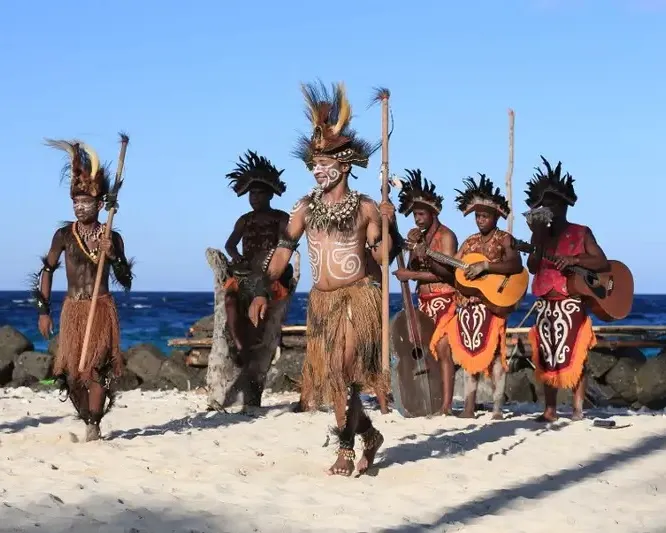
Waigeo hosts a variety of villages where travelers can learn about culture, traditions, and daily activities. Many communities continue to rely on fishing and small-scale agriculture, supplemented by tourism initiatives that support local livelihoods.
Visitors can join cooking activities, learn about Papuan carving traditions, or explore coastal paths connecting communities. These experiences provide insight into how people live in harmony with their environment.
Conservation and Environmental Challenges
Waigeo is at the center of numerous conservation efforts across Raja Ampat. Marine Protected Areas, community-based patrols, and partnerships between local stakeholders help protect coral ecosystems and maintain sustainable fishing practices. Organizations across the region also focus on waste management, reef restoration projects, and education programs designed to empower younger generations.
Yet environmental pressures persist. Coral bleaching events, sedimentation from coastal development, and the threat of extractive industries such as mining can all impact delicate ecosystems. Responsible tourism and strong conservation efforts remain essential to preserving the health of Waigeo’s reefs and forests.
The wider conservation landscape also connects Waigeo with nearby regions such as Batanta Island, where debates around mining and environmental stewardship shape the future of the archipelago.
Where to Stay on Waigeo
Waigeo offers a spectrum of accommodation options, from simple homestays to eco-focused resorts. Homestays are located around several coastal villages and provide deeply immersive cultural experiences, while larger resorts cater to visitors seeking more comfort and guided excursions.
Travelers often use Waigeo as a base before exploring other destinations such as Misool, Arborek, or Kri Island, or as a jumping-off point for longer voyages on Raja Ampat liveaboards.
How to Get to Waigeo
Reaching Waigeo involves several steps similar to the general routes outlined in the broader guide on how to get to Raja Ampat.
Step 1: Fly to Sorong
Sorong acts as the transit hub for all Raja Ampat travel, with daily flights from Jakarta, Makassar, Manado, Ambon, and sometimes Bali.
Step 2: Ferry to Waisai
From Sorong harbor, travelers take a public fast ferry to Waisai on Waigeo. The crossing takes about two hours and offers scenic views of the archipelago.
Step 3: Continue by Boat
From Waisai, visitors can arrange transfers to homestays, resorts, or nearby islands. Many travelers also join Raja Ampat liveaboards that begin their expeditions from Sorong and cover multiple regions including Waigeo, Gam, and Misool.
Best Time to Visit Waigeo
The best conditions for diving and calm sea crossings occur from October to April. This period brings clear water, active marine life, and ideal weather for birdwatching and snorkeling. From May to September, Waigeo becomes greener and quieter with occasional rain but remains a rewarding place to visit.
A stay of at least five days is ideal for enjoying both marine and jungle experiences.
Why Travelers Should Go
Waigeo is a destination that rewards curiosity, patience, and a sense of adventure. It offers world-class diving, wildlife encounters, peaceful coastal scenery, and insight into Papuan culture. It is one of the few places on Earth where coral ecosystems remain healthy, forests echo with bird calls, and daily life feels deeply connected to land and sea.
Travelers should go to Waigeo because:
- It anchors the story of Raja Ampat and connects easily to islands like Misool, Kri, Gam, and Arborek
- Its reefs and dive sites showcase some of the richest marine ecosystems in the Coral Triangle
- It offers rare encounters with birds of paradise and other wildlife
- Coastal landscapes and bays provide extraordinary kayaking, snorkeling, and exploration opportunities
- Local communities welcome visitors into a way of life shaped by centuries of maritime tradition
- Conservation successes here help preserve one of the world’s most important natural environments
Waigeo combines adventure and tranquility in equal measure. For travelers eager to understand Raja Ampat deeply, it is not just worth visiting. It is essential.
It anchors the story of Raja Ampat and connects easily to islands like Misool, Kri, Gam, Arborek, and the remote northern groups such as the Ayau and Asia Islands.
Ready to Explore Raja Ampat?
Waigeo is only the beginning. To experience the full beauty of the archipelago, consider joining a multi-day expedition aboard a Raja Ampat liveaboard.
Book your Raja Ampat liveaboard adventure now at PhinisiTrip.com and begin your journey into one of the most spectacular marine destinations on Earth.