Within the legendary Four Kings of Raja Ampat lies Batanta, the smallest in size but arguably one of the richest in character. Overshadowed by famous names like Waigeo, Kri, or Piaynemo, Batanta remains a sanctuary where rainforest, coral reefs, waterfalls, endemic wildlife, and traditional communities coexist in a landscape shaped by time and tides.
Batanta is vast enough to feel wild yet intimate enough to explore meaningfully. Its long central ridge gathers daily clouds that feed rivers and waterfalls, while its deeply folded northern coastline hides bays, mangroves, tiny uninhabited islands, and some of Raja Ampat’s healthiest reefs. The experience here is defined by isolation, biodiversity, culture, and a sense of discovery that is increasingly rare.
A Walk Through Time: Batanta’s Roots and Rising Star
| Category | Detailed Information |
|---|---|
| Island Overview | Batanta is one of Raja Ampat’s Four Kings, located west of Waigeo and north of Salawati. Dominated by dense rainforest, steep hill ridges, mangroves, and deep-cut bays. |
| Total Area | Approximately 450 square kilometres, with an interior that remains largely undeveloped and covered in primary rainforest. |
| Coastline Length | Roughly 335 kilometres, including convoluted bays, mangrove forests, small islands, and narrow peninsulas. |
| Geological Features | Mountain ridges generating daily cloud, limestone outcrops, karst formations in nearby offshore islands, volcanic-origin terrain in parts of the interior. |
| Number of Villages | 7 main villages, including Wailebet, Yenanas, Arefi, Yennyar (Marandan Weser), plus additional hamlets on smaller offshore islands. |
| Cultural Notes | Home to speakers of the Batanta language; cultural influences from Melanesian, Austronesian, and historic Tidore Sultanate networks. Traditional wooden housing still found in villages like Yennyar. |
| Population Profile | Small, dispersed communities reliant on artisanal fishing, sago harvesting, small-scale farming, and homestay-based tourism. |
| Total Homestays (Association + Independent) | Approximately 18 homestays, including those on nearby Birie, Dayan, and Yawreser. Many are eco-based and community-owned. |
| Accommodation Style | Primarily Papuan-style beachfront huts, basic wooden bungalows, dive homestays, and limited electricity (solar or generator-based). |
| Average One-Way Transfer (Waisai → Batanta) | Around IDR 1.6 million depending on distance, boat type, and fuel prices. |
| Average Travel Time | Roughly 2 hours from Waisai to northern Batanta; longer for Dayan and remote islets. |
| Phone Signal & Internet | Limited coverage. Signal ranges from weak to none; Arefi’s tower provides coverage for nearby islands but most homestays remain offline. |
| Main Attractions | Pristine coral reefs, dugong habitats, waterfalls, rainforest wildlife, traditional villages, jungle trekking, muck diving sites, historical WWII plane wreck. |
| Star Wildlife Species | Dugongs, manta rays (near Dayan), cassowaries, Waigeo cuscus, Blue-Spotted Tree Monitor, Wilson’s Bird of Paradise, hornbills, megapodes. |
| Marine Ecosystem | Located within the Coral Triangle; home to high coral diversity, seagrass pastures, macro critters, and pelagic sightings in deeper channels. |
| Popular Snorkeling Areas | Birie Island, Yawreser, Dayan, north-coast house reefs, mangrove-fringed shallows, and protected lagoon zones. |
| Top Dive Spots | Birie’s north reef walls, Dayan Manta Point, Batanta muck sites (southwest coast), WWII plane wreck dive. |
| Waterfall Access Points | War Inkabom Waterfall (hike required), smaller rainforest cascades feeding northern bays. |
| Trekking Opportunities | Short hikes to waterfalls, jungle walks for birdwatching, guided endemic species treks, custom wildlife routes arranged by local villagers. |
| Nearby Islands with Homestays | Dayan, Birie, Yawreser, plus offshore micro-islands used for snorkeling day trips and dugong watching. |
| Climate & Rainfall | Equatorial tropical climate with near-daily showers; rainfall supports dense rainforest and freshwater streams. Best season for travel: October to April. |
| Threats & Conservation Issues | Nickel mining proposals, coral bleaching events, plastic pollution, cruise-ship-related reef damage, illegal logging, blast fishing in historical periods. |
| Sustainability Insights | Active conservation programs: Indigenous Fishery Areas, Batanta Project biodiversity catalog, RARCC initiatives, community-led resource management, low-carbon tourism model. |
| Ideal Trip Length | Minimum 3–5 nights, but 7 nights or more recommended for combining reefs, waterfalls, wildlife, and village stays. |
| Best For Travelers Who Want | Remote nature, wildlife encounters, reef exploration, cultural immersion, quiet homestays, off-grid adventure. |
Before Raja Ampat became a global sensation, Batanta lived in quiet isolation, untouched by the high traffic that now characterizes parts of the archipelago. This isolation preserved everything that the island is known for today: raw nature, intact culture, and an unfiltered living landscape.
Cultural Layers Across Centuries
Batanta is a historical meeting point for Melanesian and Austronesian groups, with additional influence from the Tidore Sultanate. Villages like Wailebet and Yenanas still speak traditional Batanta languages, carrying oral histories and customs that predate the Indonesian republic by generations.
WWII Heritage Beneath the Waves
Off Batanta’s coast lies a sunken World War II aircraft, a haunting dive site for advanced explorers that connects the island to the global story of the Pacific theater. The wreck, now embraced by corals and marine life, is both a historical relic and an ecological haven.
Shifting Livelihoods in the Modern Era
As Raja Ampat tourism grew, Batanta’s economy began shifting. Many locals who once relied on fishing gradually moved toward hospitality. While this transition opens new opportunities, it also requires careful protection of cultural identity and sustainable practices to avoid the pitfalls of overtourism seen elsewhere in the archipelago.
Batanta Today: Nature’s Masterpiece and Cultural Gems
Batanta is a living showcase of biodiversity, from the rainforest canopy to the seagrass beds and pristine reefs.
Jungle Wildlife and Rare Species
Batanta is one of the only places in Raja Ampat where you can find:
- Cassowaries, ancient flightless birds rarely seen elsewhere in the region
- Blue-Spotted Tree Monitor (Varanus macraei), a vibrant blue reptile found only here and Waigeo
- Three species of cuscus, including the Waigeo cuscus
- Wilson’s Bird of Paradise, known for its elaborate dance
- Hornbills, whose resonant calls echo across the forest
This island is a dream for wildlife watchers, birders, and naturalists seeking rare endemic species.
Rainforest and Waterfall Adventures
Dense rainforest blankets the hills, nourished by near-daily rainfall. Rivers flow through jungle ravines into waterfalls such as War Inkabom, a legendary cascade worth trekking for. With no established long-range hiking routes, visitors rely on local guides for authentic jungle immersion.
Culture and Traditional Villages
Villages like Marandan Weser (Yennyar) maintain traditional wooden architecture and deep-rooted customs. Travelers can experience:
- Papeda and other sago-based dishes
- Handcrafted items from local artisans
- The blend of Protestant Christian practices with ancestral animism
Staying in homestays such as Sun Homestay, Rissen Homestay, or Dayan Dive Homestay allows travelers to be part of daily village life.
Underwater Wonders: Dugongs, Manta Rays, and Macro Paradises
Batanta sits within the Coral Triangle, home to the highest marine biodiversity on Earth. Its underwater world is remarkably varied.
Seagrass Meadows and Dugongs
The northern bays host expansive seagrass beds, where dugongs quietly graze. These gentle mammals have vanished from many areas due to boat traffic, making Batanta one of the last reliable places to see them.
World-Class Reefs
House reefs around Batanta’s homestays rival the beauty of Kri, Gam, and Mansuar. Coral density is exceptional, with thriving hard and soft corals, schooling fish, and occasional reef sharks.
Manta Encounters
Near Pulau Dayan, manta rays gather at cleaning stations, especially from October to April. Calm visibility and low crowds make this one of the most rewarding manta experiences in Raja Ampat.
Muck Diving Heaven
Batanta’s southwest coast offers macro photography opportunities for rare critters living in silty environments. Nudibranchs, mimic octopus, flamboyant cuttlefish, and other small wonders attract enthusiasts for hours.
For travelers who enjoy vibrant coral gardens paired with lively village culture, places like Arborek Island offer a complementary experience, showcasing jetty reefs filled with schooling fish and one of Raja Ampat’s most welcoming coastal communities.
Batanta’s North Shore Islands: Birie, Waiweser, and Dayan
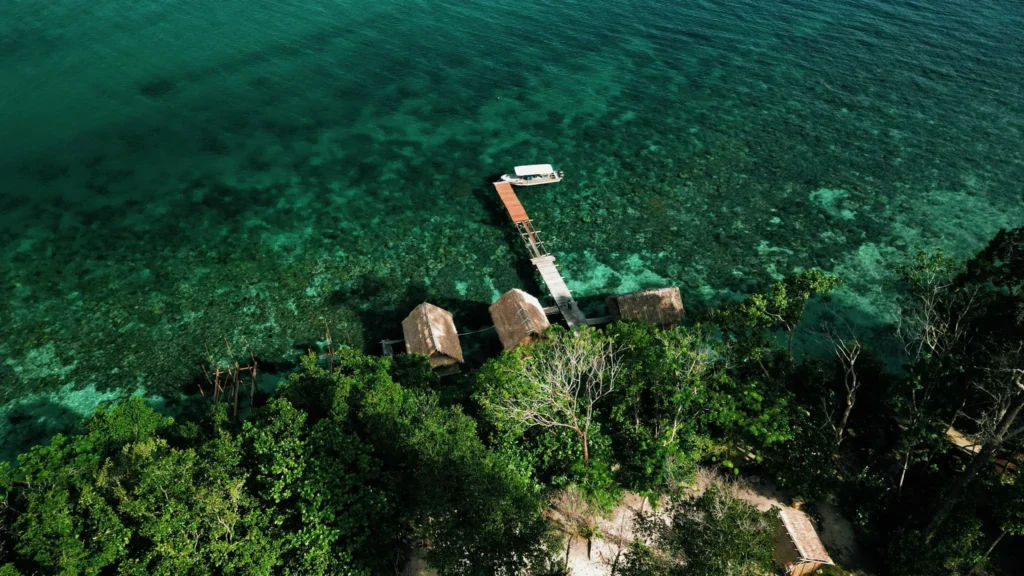
Pulau Birie
- Pristine north-shore reefs
- Dugong sightings
- Dense jungles with birds and reptiles
- Kandipi Dive Center available for diving trips
Pulau Waiweser
- Home to Waiweser village
- Great snorkeling along quiet northern bays
- Forest wildlife including megapodes
Pulau Dayan
- Tiny private-like island
- Coral reefs so rich they cover almost the entire coastline
- Strong currents during tidal swings
- Perfect as an add-on to Piaynemo or Pam Islands trips
Travelers venturing farther north from Dayan often continue toward remote clusters like the Ayau and Asia Islands, where sand cays, shallow turquoise shelves, and pristine outer reefs create some of the most untouched marine habitats in northern Raja Ampat.
The Battle for Batanta: Conservation, Mining, and Community
Batanta’s tranquility hides a turbulent environmental history.
The Mining Threat
Proposed nickel mining sparked nationwide outrage. In June 2025, the Indonesian government revoked four of five mining licenses after a massive #SaveRajaAmpat campaign. One permit remains under PT Gag Nikel, raising concerns over:
- Environmental feasibility
- Legal compliance
- Long-term sustainability
Mining threatens not only coral ecosystems but also the livelihoods of Papuan communities who depend on fishing and tourism.
Pressure from Tourism and Climate
Other threats include:
- Coral bleaching from marine heatwaves
- Potential overcrowding by cruise ships
- Plastic pollution in remote bays
- Waste management challenges
- Historical reef damage from grounding vessels
Community-Led Stewardship
Hope emerges through initiatives such as:
- The Batanta Project, cataloging endemic wildlife
- Indigenous Fisheries Area, empowering locals to manage marine resources
- RARCC’s Batanta Hope Island School, teaching conservation to local children
- Global Conservation (GC) partnerships to prevent illegal logging and bomb fishing
The region is transitioning toward low-carbon tourism, prioritizing longer stays, higher quality experiences, and net-positive impact.
Batanta’s Horizon: A Sustainable Future
Raja Ampat aims to evolve into a global model for climate resilience and community-driven conservation. This includes:
- Eco-certified homestays
- Citizen science tourism
- Reef restoration programs
- Sustainable fishing zones
- Controlled visitor capacity
Batanta stands at the forefront of this movement, balancing environmental protection with meaningful economic development.
Batanta is more than a destination. It is an experience that connects travelers with nature, culture, and history in a setting untouched by mass tourism. Whether you seek rainforest, dugongs, endemic birds, manta rays, waterfalls, or cultural immersion, Batanta offers all of it in a single, powerful journey.
To visit Batanta is to support an island fighting to preserve its identity, biodiversity, and future.
Because Batanta sits farther from the main transport hubs, understanding how to get to Raja Ampat helps travelers plan boat timings, inter-island transfers, and the most efficient routes through the archipelago before committing to a stay on Batanta.
The next question is simple.

If you are ready to answer the call of Raja Ampat’s untamed heart, begin your journey with a trusted Phinisi Raja Ampat by Phinisitrip.com that helps you explore these islands responsibly.