Pam Island is one of those places that quietly reshapes how travelers understand Raja Ampat. It does not announce itself with dramatic limestone towers or bustling villages. Instead, Pam reveals its magic slowly, through calm lagoons, shallow coral gardens, mirror-like waters, and an atmosphere that feels deliberately unhurried. For travelers seeking balance between world class marine ecosystems and peaceful island life, Pam Island offers an experience that feels both grounding and unforgettable.
Located in the central Raja Ampat region, near the famous Piaynemo karst formations, Pam Island often appears as a serene pause within longer island hopping routes. It is small, lightly populated, and deeply connected to the surrounding reefs. While it may not carry the global name recognition of Misool or the record breaking dive statistics of Kri, Pam plays an essential role in the Raja Ampat experience, especially for snorkelers, photographers, and travelers drawn to quiet beauty rather than constant motion.
This guide explores Pam Island from every angle, from its marine life and landscapes to logistics, conservation, and how it fits into broader Raja Ampat itineraries.
| Category | Details |
|---|---|
| Location | Central Raja Ampat, near the Piaynemo karst region and eastern Waigeo |
| Island Group | Pam Island and surrounding small islets |
| Main Attractions | • Utterly spectacular white sand beaches • Calm turquoise lagoons ideal for swimming and kayaking • Excellent snorkeling directly from shore • Access to Piaynemo karst island seascape viewpoints • Relaxed island atmosphere with low visitor density |
| Marine Environment | Shallow coral gardens, reef flats, sheltered lagoons, and nearby drop offs supporting diverse reef fish and coral species |
| Snorkeling Quality | Excellent, with shallow entry points and clear visibility suitable for all levels |
| Diving Availability | Diving arranged through nearby operators and liveaboard itineraries |
| Number of Villages | 4 small villages across the Pam Islands |
| Local Communities | Primarily fishing based communities with growing involvement in homestays and marine tourism |
| Number of Homestay Association Homestays | 11 registered homestays, mostly small scale and community run |
| Accommodation Style | Simple beachfront bungalows, local homestays, and eco focused stays |
| Average Cost of One Way Transfer (Waisai → Pam) | Around IDR 2,000,000 (~USD 134) depending on fuel prices and sea conditions |
| Average One Way Travel Time | Approximately 2.5 hours by speedboat |
| Access Routes | Ferry from Sorong to Waisai, followed by private or shared speedboat transfer |
| Best Time to Visit | October to April for calmer seas and optimal snorkeling conditions |
| Ideal Length of Stay | 2 to 4 nights, often combined with Piaynemo, Gam, or Waigeo itineraries |
| Nearby Highlights | Piaynemo viewpoints, Waigeo coastline, central Raja Ampat lagoons |
| Travel Style | Slow travel, nature focused, low impact exploration |
| Connectivity | Limited phone signal, minimal to no internet access |
| Electricity | Typically generator based, available at limited hours |
| Environmental Notes | Part of Raja Ampat Marine Protected Area network with strong emphasis on reef conservation |
| Best For | Snorkelers, photographers, couples, travelers seeking calm and uncrowded islands |
Where Pam Island Sits Within Raja Ampat
Pam Island lies in the heart of Raja Ampat, within easy reach of Waigeo and surrounded by some of the archipelago’s most iconic seascapes.
Its proximity to Piaynemo places it in a region known for turquoise lagoons, mushroom-shaped limestone islets, and calm protected waters.
Unlike the more remote southern reaches around Misool, Pam is often accessed as part of central Raja Ampat routes. This makes it particularly attractive for travelers who want a rich island experience without venturing too far from established transport hubs like Waisai.
Pam’s geography creates a natural buffer from strong currents, resulting in lagoons and reef flats that feel safe, gentle, and welcoming. This physical setting shapes nearly everything about the island, from the types of marine life present to the style of travel it best supports.
The Natural Character of Pam Island
Pam Island is defined by softness rather than spectacle. Its shorelines are framed by white sand beaches that slope gradually into shallow, crystal clear water. Coconut palms and low vegetation dominate the landscape, offering open views across the sea rather than dense jungle interiors.
The island’s simplicity is part of its appeal. Without dramatic elevation changes or dense forests, Pam feels open and calming. Sunrises and sunsets stretch across uninterrupted horizons, and the soundscape is often limited to gentle waves and distant bird calls.
This understated natural setting creates a strong emotional contrast with busier destinations. Many travelers describe Pam as a place where time feels slower, where days unfold without urgency, and where the surrounding seascape becomes the main attraction.
Marine Ecosystems Around Pam Island
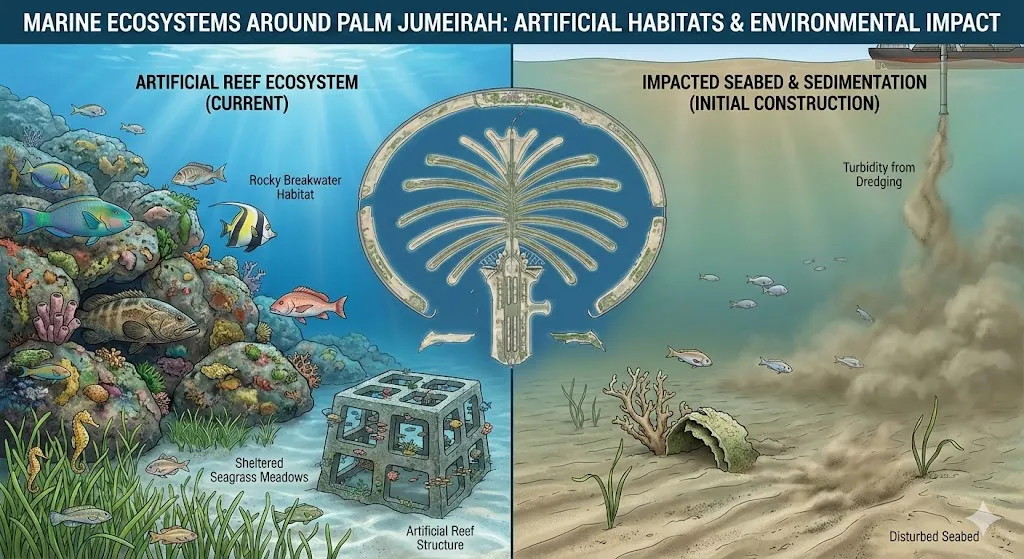
Pam Island sits within one of the most biologically rich marine regions on Earth. Raja Ampat is part of the Coral Triangle, an area recognized for holding the highest diversity of coral and reef fish species globally. While Pam’s reefs may appear gentle at first glance, they are ecologically complex and remarkably vibrant.
Shallow Coral Gardens
One of Pam Island’s defining features is its shallow coral gardens. These reefs begin just meters from shore, making them ideal for snorkeling and free diving. Hard corals dominate many areas, interspersed with soft corals and sponges that add color and texture.
Because of the shallow depth and calm water, sunlight penetrates easily, enhancing coral growth and visibility. This creates ideal conditions for observing reef fish behavior, coral structures, and subtle marine interactions that are often missed on deeper dives.
Reef Life and Fish Species
Pam’s reefs support a wide variety of reef fish, including butterflyfish, angelfish, parrotfish, wrasses, and schools of fusiliers moving in unison across coral heads. Juvenile fish find shelter among branching corals, while larger species patrol the edges of reef flats.
While Pam is not known as a primary destination for large pelagic species, sightings of turtles, reef sharks, and occasional rays do occur, particularly along reef drop-offs further from shore.
Connection to Raja Ampat Dive Sites
Pam Island is frequently included in itineraries that explore a wider network of dive sites across Raja Ampat. Its calm reefs often serve as a counterpoint to more current-heavy sites in the Dampier Strait or deeper southern waters near Misool.
For travelers joining Raja Ampat liveaboards, Pam often appears as a scenic stop that balances intense diving days with relaxed snorkeling and lagoon exploration.
Snorkeling and Diving Experiences

Pam Island is particularly well suited for snorkeling, offering a calmer alternative to wall focused snorkeling experiences around Friwen Island. The clarity of the water, the health of the reefs, and the ease of access make it ideal for travelers who want long, unhurried sessions in the water.
Snorkelers can expect vibrant coral coverage, high fish density, and excellent visibility during most of the year. Because conditions are generally calm, Pam is also suitable for beginners or travelers less comfortable with strong currents.
Diving around Pam tends to focus on relaxed profiles rather than adrenaline driven encounters. Dives here often emphasize reef observation, macro life, and photography. For divers who enjoy slow exploration and natural light, Pam offers rewarding underwater experiences that complement more dramatic sites elsewhere in Raja Ampat.
Pam Island and Piaynemo: A Natural Pairing
One of Pam Island’s strongest draws is its proximity to Piaynemo, one of Raja Ampat’s most photographed locations. Piaynemo’s limestone karsts rise sharply from turquoise lagoons, creating one of the region’s most iconic viewpoints.
Many travelers visit Pam and Piaynemo together, using Pam as a quieter base for exploring the surrounding area, often alongside routes that include Gam Island. While Piaynemo offers dramatic visuals and short hikes to panoramic viewpoints, Pam provides the space to slow down afterward, to swim, snorkel, and rest in calm surroundings.
This pairing highlights the diversity of Raja Ampat within a small geographic area, where dramatic landscapes and peaceful island life coexist side by side.
Life on Pam Island
Pam Island does not have large villages or bustling communities. Life here is simple and closely tied to the sea. Small-scale fishing, homestays, and marine based livelihoods form the backbone of daily life.
For travelers, this creates opportunities for genuine connection. Meals often feature freshly caught fish, local vegetables, and simple cooking styles that reflect Papuan coastal traditions. Conversations tend to be unhurried, shaped by the rhythms of tides rather than schedules.
Pam’s lack of large infrastructure encourages a form of travel that is more present and less distracted. Electricity may be limited, internet access is often slow or unavailable, and evenings are typically spent under starlit skies rather than screens.
Conservation and Environmental Awareness
Pam Island exists within a region that has become a global symbol of marine conservation. Raja Ampat’s marine protected areas, community managed zones, and conservation initiatives have helped preserve reef health and fish populations at levels rarely seen elsewhere.
Pam benefits directly from these efforts. Healthy coral cover, high biodiversity, and relatively low human pressure contribute to its pristine condition. However, like all islands in Raja Ampat, Pam faces ongoing challenges.
Plastic pollution carried by ocean currents, climate driven coral bleaching, and the pressures of increasing tourism require constant attention. Community awareness, responsible travel practices, and support for conservation initiatives play a crucial role in Pam’s future.
Travelers visiting Pam are encouraged to practice reef safe behavior, minimize waste, and support local operators who prioritize environmental stewardship.
How to Get to Pam Island
Reaching Pam Island involves several steps, typical of travel within Raja Ampat.
Getting to Raja Ampat
Most journeys begin with a flight to Sorong, the main gateway to Raja Ampat. Sorong is connected to major Indonesian cities such as Jakarta, Makassar, and Manado.
From Sorong, travelers take a ferry to Waisai, the administrative capital of Raja Ampat. The ferry journey usually takes around two hours and offers views of the surrounding islands.
From Waisai to Pam Island
From Waisai, Pam Island is reached by speedboat. Travel time varies depending on sea conditions and route but generally ranges from one to two hours. Transfers are often arranged by homestays, tour operators, or liveaboard crews.
Because schedules and weather can affect boat travel, flexibility is essential when planning visits to Pam.
Best Time to Visit Pam Island
Pam Island can be visited year round, but conditions vary throughout the year.
The period from October to April is often considered the best time for calm seas, clear visibility, and consistent snorkeling conditions. These months also align with peak manta activity in other parts of Raja Ampat, making them popular for combined itineraries.
From May to September, the region experiences stronger winds and occasional rougher seas. While underwater visibility can still be excellent, surface conditions may be less predictable.
Rainfall in Raja Ampat tends to be brief and localized, rarely disrupting travel for extended periods.
Who Pam Island Is Best For
Pam Island appeals to a specific type of traveler. It is especially well suited for:
- Snorkelers seeking calm, shallow reefs
- Photographers drawn to reflective lagoons and soft light
- Travelers looking for peaceful, low impact experiences
- Couples and solo travelers wanting quiet environments
- Visitors combining land and sea exploration in central Raja Ampat
Those seeking nightlife, extensive infrastructure, or constant activity may find Pam too quiet. Its value lies in its simplicity and natural rhythm.
Why Travelers Should Go
Pam Island offers something increasingly rare in modern travel. It provides access to world class marine ecosystems without overwhelming the senses. It allows travelers to experience Raja Ampat at a slower pace, where snorkeling replaces schedules and sunsets replace notifications.
Its reefs showcase the richness of coral life that defines Raja Ampat. Its lagoons invite reflection and stillness. Its role within broader itineraries makes it an ideal complement to more dramatic destinations like Misool or current driven dive sites elsewhere in the archipelago.
For travelers who want to feel present, connected, and grounded while still immersed in one of the world’s most extraordinary marine environments, Pam Island delivers quietly but powerfully.
Pam Island Within Raja Ampat Liveaboard Routes
Many Raja Ampat liveaboards include Pam Island as part of central itineraries. These voyages often blend diving, snorkeling, island exploration, and scenic cruising.
Pam’s calm waters make it an ideal stop between more intense dive days. Guests can snorkel directly from the boat, kayak through lagoons, or relax on deck while surrounded by limestone formations and clear seas.
Liveaboard travel also reduces pressure on individual islands by spreading visitors across a wider area, supporting a more sustainable model of exploration.
Final Thoughts and Next Steps

Pam Island may not dominate headlines or social media feeds, but that is precisely its strength. It represents the quieter side of Raja Ampat, where marine ecosystems flourish, landscapes remain uncluttered, and travel feels intentional.
For those planning a journey to Raja Ampat, Pam Island deserves serious consideration. Whether as a primary destination or as part of a broader island hopping route, it offers a depth of experience that lingers long after departure.
To explore Pam Island and the wider archipelago in the most seamless and responsible way, consider joining a Raja Ampat liveaboard. Discover curated routes, expert crews, and immersive journeys by booking your Raja Ampat Yacht Charter at Phinisitrip.com!