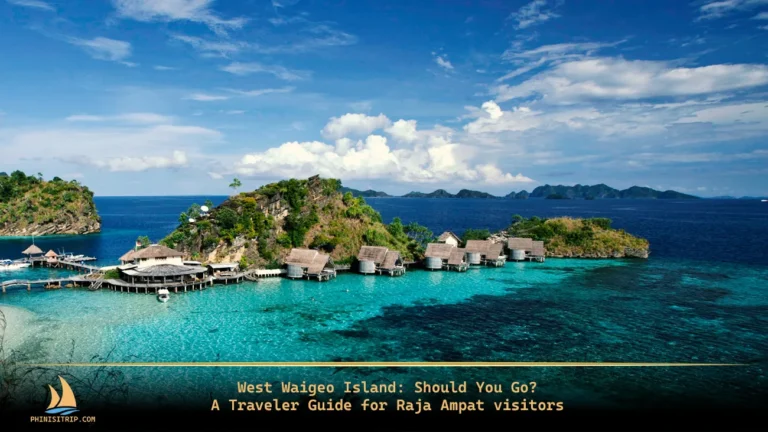
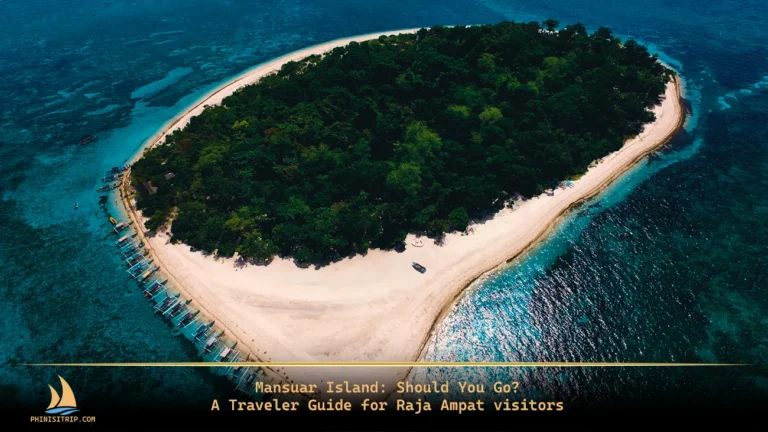
Misool Island is one of the most spectacular corners of Raja Ampat, located deep in Indonesia’s West Papua region. Remote, rugged, and astonishingly biodiverse, Misool holds a reputation as a world-class destination for divers, snorkelers, and nature lovers from around the globe. With towering limestone karsts, secret lagoons, vibrant coral gardens, and sweeping views over a thousand shades of blue, Misool feels like a place pulled from a dream.
Far beyond simply a stop on a Raja Ampat itinerary, Misool represents one of the few remaining ecosystems where coral reefs, shark populations, manta rays, and schools of tropical fish still thrive in spectacular abundance due to extensive conservation efforts. In this guide, we’ll explore everything you could possibly want to know about Misool — its natural wonders, best dive sites, land-based adventures, how to get there, when to visit, and why it should be at the top of your travel list.
A Legendary Island in the Heart of the Coral Triangle
Misool is part of Raja Ampat’s famed Four Kings archipelago, named for the four largest islands in the region: Waigeo, Batanta, Salawati, and Misool itself. As the second largest island in the group, Misool sits roughly 150 kilometers southwest of Sorong and remains one of the most remote parts of the archipelago. Its connection to iconic northern islands like Gam and Kri island forms an ecological corridor that ties together the entire Raja Ampat region.
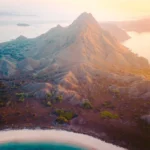
The island is framed by dramatic limestone cliffs that rise straight from glassy turquoise waters, forming narrow channels, secret lagoons, and hidden beaches that feel almost mystical. In many ways, Misool’s underwater terrain is just as dramatic as its terrestrial landscape, with shear walls, deep pinnacles, and caverns that become homes to thousands of species. It is precisely this combination of rugged beauty and rich biodiversity that draws adventurers from all corners of the earth.
The Misool Marine Reserve: A Conservation Success Story
| Category | Details |
|---|---|
| Location | Southern Raja Ampat, West Papua, Indonesia |
| Island Group | One of the Four Kings of Raja Ampat |
| Size | Approx. 2,034 square kilometers |
| Coastline Length | Over 1,500 kilometers including islets |
| Number of Villages | 7 main villages |
| Marine Protection | Misool Marine Reserve (No-Take Zone) |
| Reserve Size | ~1,220 km² of fully protected waters |
| Attractions | Limestone karsts, hidden lagoons, jellyfish lakes, pristine coral reefs |
| Marine Highlights | Sharks, manta rays, dense reef fish biomass, macro life |
| Top Dive Sites | Magic Mountain, Boo Window, Fiabacet, Nudi Rock, Batu Kecil |
| Snorkeling Quality | Excellent, clear water and shallow coral gardens |
| Best For | Divers, snorkelers, nature lovers, liveaboard travelers |
| Accessibility | Boat access only from Sorong |
| Primary Access Routes | Liveaboard cruises, private speedboats, limited public ferry |
| Average Travel Time from Sorong | 6–8 hours by sea depending on vessel |
| Accommodation Type | Primarily liveaboards, limited land-based options |
| Best Time to Visit | October to April |
| Water Visibility | Often 25–30+ meters |
| Sea Conditions | Generally calm in peak season |
| Conservation Fees | Raja Ampat Marine Park fee required |
| Nearby Regions | Southern Raja Ampat, Wayil, Fiabacet Island groups |
Perhaps what sets Misool apart from many other tropical destinations is its extraordinary conservation legacy. In 2005, the Misool Marine Reserve was established through a partnership involving local communities and private conservation organizations. Today, the reserve spans roughly 300,000 acres (about 1,220 square kilometers) of protected waters, nearly twice the size of the island nation of Singapore.
This model parallels conservation successes observed across northern Raja Ampat, particularly around Arborek and community-led zones in Gam.
Within this vast area, no fishing is allowed, no nets, no extraction of reef resources, and strong protection laws are enforced by daily patrols. This “no-take” policy has helped coral cover, fish biomass, and shark populations rebound dramatically. Rather than seeing sharks as rare visitors, many divers now encounter them regularly along reef edges and in shallower waters. The reefs around Misool now teem with life, a testament to the power of community-led conservation and sustainable tourism.
Nearby villages participate directly in protection efforts, receiving education programs and economic opportunities tied to marine preservation rather than fishing. This model has become a leading example for reef conservation efforts throughout the Coral Triangle.
Misool’s Rich Marine Life
The waters surrounding Misool boast an ecosystem that rivals any marine environment on Earth. Part of the globally recognized Coral Triangle, this region supports an extraordinary number of species. Raja Ampat waters are home to over 75% of the world’s known coral species and nearly 1,500 recorded species of reef fish, dwarfing many other renowned diving destinations.
Even travelers who focus more on snorkeling discover Misool’s unmatched shallow reef zones, making it ideal for those researching a Raja Ampat snorkeling guide.
Sharks and Rays
Sharks are among the most thrilling sightings for visitors. In protected zones, reef sharks such as blacktip and whitetip reef sharks patrol gracefully across sandy channels and coral slopes. Whitetip sharks often rest under ledges, while blacktip varieties cruise the shallows. Manta rays also frequent cleaning stations around submerged pinnacles, offering unforgettable up-close encounters as they glide effortlessly through the water.
Schools of Fish
Massive schools of trevally, fusiliers, and snappers swirl around sea mounts and coral gardens like living clouds. These schools are magnets for larger predators such as barracuda and tuna, creating some of the most dynamic underwater scenes imaginable.
Macro Life and Coral Diversity
For divers interested in smaller creatures, Misool delivers as well. Ghost pipefish, nudibranchs, pygmy seahorses hidden among soft corals, and an endless variety of crustaceans make every crevice a micro-ecosystem worth exploring. Soft corals, sea fans, and sponges thrive in high diversity, painting the seascape in vivid color.
This abundance and diversity make every dive a unique adventure, a living illustration of a reef ecosystem in full, flourishing bloom.
Top Dive Sites Around Misool

Misool is widely known for dive sites that consistently rank among the best in Raja Ampat, offering exhilarating experiences for divers of all skill levels. Here are some of the most remarkable:
Magic Mountain
Magic Mountain is perhaps the most celebrated site in all of Misool. Named for its sheer underwater slopes and dramatic ridges, this reef rise attracts mantas, sharks, giant trevally, and clouds of schooling fish. The topography varies from expansive plateaus to steep dropoffs, creating diverse habitats that keep marine life abundant and unpredictable.
Boo Window
Boo Window is named for a set of oval holes in the rock formations that create natural windows through which divers can swim. Below and beyond these openings, colorful coral gardens teem with life. The interplay of light, shadow, and coral makes this site as visually stunning as it is biologically rich.
Fiabacet Chain
Fiabacet is known for exceptionally clear water and vibrant coral landscapes. It features a mixture of shallow coral gardens perfect for long, relaxed dives and deeper walls where bigger pelagic species patrol. Visibility can exceed 30 meters here, making it ideal for photography enthusiasts.
Nudi Rock
Nudi Rock offers a maze of swim-throughs and caverns where curious critters make their home. While named for the possibility of nudibranch sightings, the site offers so much more, including dramatic drops and abundant fish life near the deeper edges.
Batu Kecil
Batu Kecil’s currents bring nutrient-rich waters that attract schools of fish and predators alike. Divers often encounter large barracuda, big groupers, and other open-water species in and around the reef structure.
Sites such as Magic Mountain, Boo Window, Fiabacet, and Nudi Rock attract divers from around the world. Many travelers explore these sites as part of longer expeditions using raja ampat liveaboard, since Misool’s southern reefs are best accessed by multi-day voyages.
Whether you’re after slow, picture-perfect coral gardens or deep, drift-style dives with strong currents and big pelagics, Misool’s sites offer remarkable variety.
Land-Based Adventures Beyond the Reef
Hidden lagoons, stingless jellyfish lakes, and high limestone viewpoints reveal a Misool that is just as remarkable above the water as it is below.
The interconnectedness of Raja Ampat’s landscapes becomes even more striking when comparing Misool’s karst formations to similar geological structures near Friwen and Kabui Bay in Gam.
Stingless Jellyfish Lakes
Similar to the famous Jellyfish Lake on Palau, Misool also features lakes where stingless jellyfish live in peaceful abundance. Snorkeling here is an almost surreal experience, floating among hundreds of gentle, translucent organisms in crystal waters.
Hidden Lagoons
Many lagoons around Misool are accessible only by boat or kayak. These sheltered pockets of water, hemmed in by towering limestone walls, feel like secret sanctuaries — perfect for calm excursions, photography, and quiet reflection.
Limestone Viewpoints
Some gentle hikes lead to elevated lookouts where you can drink in panoramic views of the island arc and scattered reef formations below. These vantage points are ideal at sunrise or sunset, when the light highlights the textures and contours of the landscape.
Kayaking and Paddleboarding
Exploring the shallow bays and mangrove channels by kayak or stand-up paddleboard allows visitors to discover quiet corners of the coast. These activities offer an intimate way to soak in Misool’s natural beauty away from deeper waters.
Culture, People, and Local Life
The maritime culture of Misool is deeply woven into daily life. Indigenous Papuan communities have lived on these islands for generations, and their knowledge of the sea and navigation is profound. Traditional fishing techniques, handicrafts, music, and storytelling remain part of the social fabric.
Although homestay information in some travel guides is sparse — and formal tourism infrastructure on the island itself is limited compared to northern Raja Ampat — local guides based in Sorong and neighboring islands can arrange customized experiences. These might include village visits, cultural exchanges, meals featuring local cuisine, and guided expeditions into remote areas.
Meeting local residents and learning about their relationship with the environment adds a meaningful human dimension to your adventure.
How to Access Misool and Best Travel Routes
Getting to Misool requires a few logistical steps, but those who make the journey are rewarded with isolation and beauty few other destinations can match.
Step 1: Fly Into Sorong
Most travelers begin their journey with a flight to Sorong (SOQ), the gateway to southern Raja Ampat. Sorong’s airport connects to major Indonesian hubs such as Jakarta, Bali, Makassar, and Manado.
Step 2: Continue by Sea
There are three main ways to travel from Sorong to Misool:
- Liveaboard Cruises: Many visitors choose multiday liveaboard itineraries that depart from Sorong and range through Raja Ampat’s southern regions. These voyages include guided dives, meals, and exploration of dive sites and islands, creating a seamless expedition experience.
- Speedboat or Private Boat Charters: Some operators offer private fast boats that travel to Misool’s harbors. Travel time varies with sea conditions.
- Public Ferry: A slow ferry service occasionally runs between Sorong and Misool, but schedules can change and crossings are longer and less predictable. Always check current timetables if choosing this option.
Because there is no airport on Misool, sea travel is the only practical way to reach the island.
Liveaboards departing Sorong provide seamless access to southern reefs and remote marine zones, making Raja Ampat Liveaboards the most efficient and sustainable way to reach Misool.
Best Time to Visit
Misool is accessible year-round, but the most consistent conditions typically occur between October and April, when sea conditions are calmer and visibility underwater is at its best. December through February is often considered peak diving season, with a high likelihood of seeing manta rays and other pelagic species. Even outside these months, short rain showers are common but usually brief, and warm tropical conditions prevail.
Why Travelers Should Go
Misool is far more than a destination. It is an immersion into a marine universe where coral ecosystems remain healthy, predators patrol freely, and colorful reef life thrives with astonishing abundance. Here’s why you should consider making the journey:
- Unmatched Underwater Biodiversity: Misool’s reefs stand among the most vibrant and diverse on Earth, offering encounters with sharks, mantas, and thousands of fish species.
- Conservation in Action: The Misool Marine Reserve represents one of the world’s most successful marine protection stories, with recoveries in coral health and fish populations that are rare in global reef systems.
- Remote and Untouched Landscapes: Limestone karsts, hidden lagoons, and secluded beaches create scenery that feels timeless and untouched.
- Unforgettable Dive Experiences: Sites such as Magic Mountain, Boo Window, and Fiabacet deliver variety and adventure for divers of all levels.
- Rich Cultural Encounters: Though remote, local communities provide a window into the human side of island life, connecting visitors with traditional Papuan culture.
- Adventure and Solitude: Misool offers a sense of escape and wonder that is hard to match in more crowded destinations.
Misool Island stands as one of Raja Ampat’s most extraordinary treasures — a place where ocean life thrives in remarkable abundance, where conservation efforts have helped nature flourish, and where everyday experiences connect you deeply with the natural world. Whether you are an avid diver, a marine enthusiast, or a traveler seeking unspoiled beauty, Misool delivers an unforgettable journey.
Ready to explore Misool’s breathtaking reefs and hidden lagoons?

Book your Raja Ampat liveaboard adventure now at Phinisitrip.com and dive into the marine paradise that awaits!