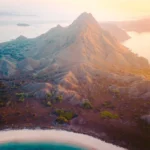
Friwen is one of those rare islands that proves size has nothing to do with greatness. At only 0.2 square kilometers, this compact jewel off Gam Island radiates a kind of beauty and biodiversity that rivals much larger destinations across Raja Ampat. Beaches glow white, coral walls drop into deep blue channels filled with life, and village rhythms unfold at a pace that makes everything feel slower, quieter, and more meaningful.
Welcome to Friwen, a pocket-sized paradise with an underwater world that the locals, divers, snorkelers, and conservationists all agree is one of the region’s true natural wonders.
| Category | Details (Expanded for Deep Travel Context & Ecology) |
|---|---|
| Island Size | 0.2 square kilometers; small but densely biodiverse coastal ecosystem. |
| Coastline Length | ~2 kilometers of mixed sandy bays, limestone edges, and mangrove pockets. |
| Number of Villages | 1 traditional Papuan village with strong ties to Yenbeser. |
| Number of Homestays | 4 community-run homestays offering direct reef access and cultural immersion. |
| Nearby Sister Islet | Friwenbonda, an uninhabited limestone islet known for Friwen Wall. |
| Transfer from Waisai | IDR 500,000 one-way (~USD 34), typically 40–60 minutes depending on sea state. |
| Accessibility Level | Highly accessible; often paired with Kabui Bay and Dore Mkun lagoon routes. |
| Marine Biodiversity Status | Among the highest in the Dampier Strait for snorkel-accessible drop-offs. |
| Signature Attractions | Friwen Wall, Friwen Beach, village jetty snorkeling, Dore Mkun Lagoon (Gam), Kabui Bay karst landscapes. |
| Reef Type | Steep walls, vibrant soft coral gardens, hard coral shelves, current-swept edges. |
| Best Snorkeling Areas | Friwen Wall, village jetty, North Friwen shallow flats. |
| Best Diving Experiences | Drift dives along Friwen Wall; macro photography zones near Friwenbonda. |
| Notable Marine Species | Hawksbill & green turtles, schooling fusiliers, sweetlips, pygmy seahorses, reef sharks, nudibranch diversity. |
| Currents | Strong at peak tides, especially between Friwen and Friwenbonda; essential to follow guide instructions. |
| Phone Signal & Internet | Intermittent 3G/4G; strongest when weather is clear. Wi-Fi rare; local SIM recommended. |
| Electricity | Generator-based systems with limited operating hours; some homestays adopting solar solutions. |
| Water Source | Rainwater and groundwater mix; freshwater provided for drinking. |
| Food Availability | Homestays offer Papuan meals; snacks available in village warungs. No ATMs. |
| Cultural Notes | Close relationship with Yenbeser—shared traditions, sago-based foods, artisanship, and fishing culture. |
| Environmental Pressures | Tidal plastic drift, diver/snor kel oversaturation, coral stress during heatwaves, sedimentation from nearby islands. |
| Conservation Presence | Community monitoring, reef-safe snorkeling education, mangrove restoration efforts near Yenbeser. |
| Tourism Pressure Level | Medium; increases during high season but manageable due to limited capacity. |
| Nearby Islands with Homestays | Waigeo, Gam, Kri, Mansuar. |
| Nearby Key Destinations | Kabui Bay, Batu Lima, The Passage, Yenbeser Village, Dore Mkun lagoon. |
| Ideal Length of Stay | 2–4 nights for snorkeling-focused trips; 5+ nights for slow travelers & photographers. |
| Best Travel Season | October–April for best visibility & mild currents; May–September offers calm culture-focused experiences. |
Meet Friwen, Raja Ampat’s Best-Kept Secret (Sort Of!)
Imagine a tropical speck floating on a mirror-clear sea. Now imagine that this speck hides one of Raja Ampat’s greatest marine spectacles. That is Friwen.
Located just off the coast of eastern Gam, Friwen may look small on the map, yet the island is an essential waypoint for travelers exploring Kabui Bay, Yenbeser Village, Dore Mkun Lagoon, and the famed Red Bird of Paradise display trees. Friwen balances village charm, easy snorkeling access, powdery beaches, and one of Raja Ampat’s best underwater walls, while nearby island communities such as Arborek Island offer complementary cultural experiences for travelers exploring the Dampier Strait.
The island’s scale keeps crowds low, offering a level of tranquility that even famous hotspots like Kri cannot always provide. Families, free divers, underwater photographers, and slow travelers all find a version of paradise here.
Friwen’s Ancient Roots in a Royal Archipelago
To understand Friwen, you must see it as part of Raja Ampat’s larger narrative. Its history is deeply interwoven with human migration, ancient kingdoms, colonial encounters, and cultural resilience.
50,000 Years of Human Presence
People have lived across this region for tens of thousands of years. Early inhabitants were hunters, gatherers, and seafarers who built their lives around reefs, forests, and tides. Archaeological findings from Waigeo and Misool provide insight into early pottery, tools, and ceremonial sites.
The Tidore Sultanate and the Four Kings
Four centuries ago, the Tidore Sultanate formalized the region’s identity by dividing power among four “kings” that ruled Waigeo, Salawati, Batanta, and Misool. This political legacy shaped the cultural landscape still visible today.
European Explorers and Maritime Stories
The waters around Friwen saw Portuguese explorers, Dutch colonial fleets, and even the British pirate-naturalist William Dampier, whose name now marks the Dampier Strait. These crossings contributed to the region’s evolving connection with the outside world.
Cultural Layers That Still Live Today
Friwen’s modern identity blends Melanesian roots with Christian, Muslim, and animist influences. Yenbeser, one of the region’s oldest villages, stands as a cultural hub where storytelling, traditional craftsmanship, and fishing traditions remain strong.
Friwen is not merely a snorkeling stop. It is an island with a lineage shaped by the tides of history and connected to a broader constellation of remote northern island groups such as the Ayau and Asia Islands.
Friwen Wall and What Everyone Is Buzzing About
Ask any diver or snorkeler what defines Friwen, and the answer is almost always the same: the Friwen Wall.
Located across a narrow deep channel from Friwenbonda, the Friwen Wall is a vertical reef that plunges nearly 25 meters into a canyon of color. Every inch is alive.
What Makes Friwen Wall Exceptional
- A tapestry of soft corals in neon pinks, deep purples, and electric oranges
- Giant sea fans shaped by strong nutrient-rich currents
- Hard coral architecture that rivals top sites across the Coral Triangle
- Vast schools of fusiliers, anthias, butterflyfish, and surgeonfish
- Turtles gliding along the wall
- Occasional manta sightings
- Extraordinary macro life including pygmy seahorses, colorful nudibranchs, and tiny crabs
This is underwater drama at its finest. The currents can be strong, but those same currents are the engine that fuels the wall’s legendary biodiversity.
Friwen’s Magical Beaches and Village Rhythms
Friwen’s northern coast has some of the island’s best beaches, shaded by massive overhanging trees where locals sell drinks and snacks. This is a favorite sunset spot in the Dampier Strait.
The village atmosphere is quiet yet welcoming. Children play on the jetty. Fishermen mend their nets. Homestays prepare fresh seafood dinners. It is peaceful, authentic, and restorative.
The Unseen Battles for Friwen’s Soul

Even places that appear untouched face very real threats.
Environmental Pressures
- Plastic pollution drifting from other islands
- Sedimentation from development around Gam and Waigeo
- Coral bleaching linked to marine heatwaves
- Chemical runoff that harms seagrass and soft corals
- Reef damage from inattentive snorkelers or inexperienced divers
Tourism’s Double-Edged Sword
Tourism brings income and opportunity, but also:
- Reef congestion
- Increased waste
- Pressure on freshwater supplies
- Rising expectations for infrastructure in remote villages
Regional Threats
Across Raja Ampat, the specter of nickel mining remains, particularly on larger islands such as Batanta, which provide important context for understanding regional conservation debates.
Although most permits were revoked in 2025 after a massive #SaveRajaAmpat movement, one significant permit remains active. Its implications for Friwen’s ocean currents and coral ecosystems cannot be ignored.
Local Challenges
Friwen village faces ongoing issues:
- Limited electricity
- Minimal healthcare access
- Education resources needing support
- Vulnerability to global climate shifts
Paradise requires guardianship. Without active care, even a place as beautiful as Friwen could change before our eyes.
Charting the Future: Hope, Innovation, and a Call to Action for Friwen
Despite the threats, Friwen is at the forefront of Raja Ampat’s sustainability movement.
WISE Trips and Responsible Tourism
Indonesia is shifting toward eco-forward tourism models that emphasize:
- Longer stays
- Lower carbon footprints
- Direct community benefits
- Conservation-centered education
Friwen village is part of these efforts, especially through its homestay network, which keeps economic value within the community.
Community Guardianship
Friwen residents play a growing role in conservation:
- Educating travelers on reef-safe behavior
- Protecting endangered species such as the Coconut Crab
- Monitoring reef health
- Leading mangrove restoration projects
Scientific Support and Innovation
Research partners are studying:
- Manta migration routes
- Coral genetic resilience
- Seagrass meadow revitalization
- Low-impact energy solutions for remote islands
Friwen is becoming a micro-model for how small islands can protect themselves through science and local leadership.
Smart Growth for a Fragile Island
Infrastructure discussions include:
- Environmentally sensitive pathways
- Better waste management systems
- Coastal protection strategies
- Community-led marine zoning
Friwen may be small, but its future is symbolically huge for Raja Ampat’s conservation story.
What to Do on Friwen
Friwen may be small, but it offers a surprisingly diverse range of activities both above and below the water. Whether you prefer slow days on the beach, immersive cultural encounters, or world-class underwater adventures, the island delivers experiences that feel intimate and memorable. The following activities represent the essence of what travelers consistently love most about Friwen.
- Snorkeling at Friwen Wall, one of the richest coral drop-offs in the region and a highlight for visitors seeking some of the most vibrant Raja Ampat snorkeling conditions.
- Jetty snorkeling in Friwen Village, where thousands of fish gather.
- Kicking back under the giant tree at Friwen’s northern beach.
- Exploring Kabui Bay, with karst towers and tranquil blue channels.
- Visiting Yenbeser and Dore Mkun Lagoon, cultural and natural highlights near Gam.
- Birding tours for the Red Bird of Paradise, a once-in-a-lifetime wildlife spectacle.
Friwen vs Friwenbonda
| Feature | Friwen (Main Island) | Friwenbonda (Sister Islet) |
|---|---|---|
| Population | One village community | Uninhabited |
| Homestays | 3 community-run options | 1 secluded homestay |
| Best For | Beaches, jetty snorkeling, village life | Friwen Wall access, privacy |
| Landscape | Sandy beaches and coconut groves | Steep limestone cliffs |
| Water Access | Easy entry for all levels | Direct drop-off into deep water |
| Nearby Attractions | Kabui Bay, Yenbeser | Friwen Wall, Batu Lima |
| Travel Time from Waisai | Under 1 hour | Small boat ride from Friwen |
How to Get to Friwen
Most visitors arrive via Waisai, which is the central entry hub for the archipelago. For a broader understanding of regional routes and transport logistics, many travelers review a general guide on how to get to Raja Ampat before planning their Friwen itinerary.
- Average cost: IDR 500,000 for one-way transfer.
- Travel time: Less than one hour.
For smoother logistics, it is usually easier to ask your current homestay to arrange the transfer rather than waiting for your next host to pick you up.
Public cargo boats exist for extremely budget-conscious travelers, though schedules can be inconsistent.
Your Part in Protecting This Tiny Wonder
Friwen is small enough to walk across in minutes yet vast in the richness of its ecosystems, history, and cultural depth. It represents both the beauty and fragility of Raja Ampat.
If you choose to visit:
- Travel responsibly
- Respect local customs
- Avoid touching coral or disturbing wildlife
- Support local homestays and community initiatives
Friwen is more than an island. It is a microcosm of what makes Raja Ampat magical. And its future depends on the decisions made by travelers, researchers, community leaders, and policymakers today.

For those who want to explore Raja Ampat responsibly, a Raja Ampat liveaboard provides an efficient and low impact way to experience multiple marine zones while supporting conservation oriented operators and community based tourism.
Its reefs, its people, and its stories deserve nothing less than our best efforts.