Raja Ampat Liveaboards
Sail, dive, and experience the World’s Last Paradise in effortless luxury.
Raja Ampat often called the crown jewel of Indonesia’s archipelago — is a paradise of turquoise seas, limestone karsts, and the planet’s richest coral reefs. To truly experience its untouched beauty, nothing compares to joining Raja Ampat liveaboards, where you live, sail, and dive directly from a traditional Phinisi across the region’s most iconic marine routes.
A liveaboard in Raja Ampat lets you spend days exploring hidden lagoons, manta cleaning stations, and pristine coral gardens far beyond the reach of day trips. Each sunrise brings a new horizon — Wayag’s towering islets, Misool’s underwater wonders, or tranquil anchorages near Pianemo, all from the comfort of your floating home.
Why Sail Raja Ampat
by Phinisi
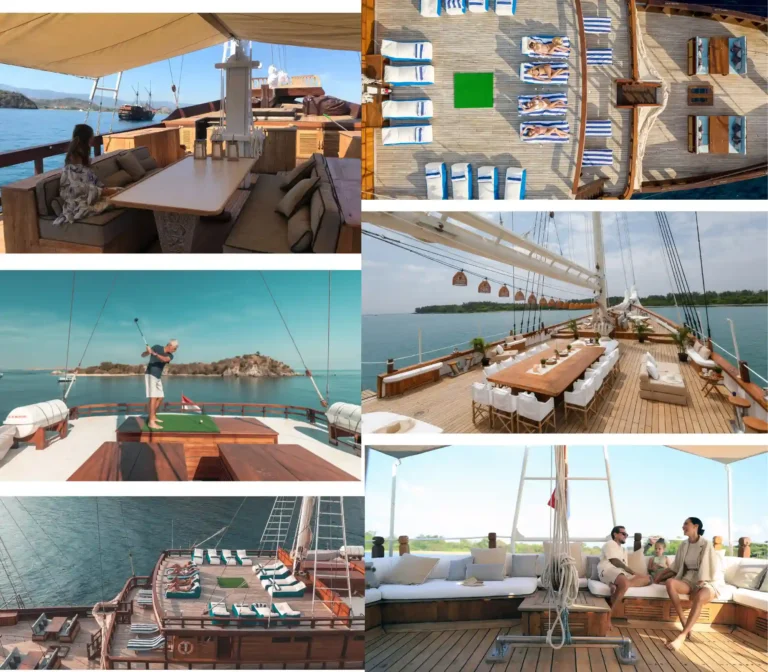
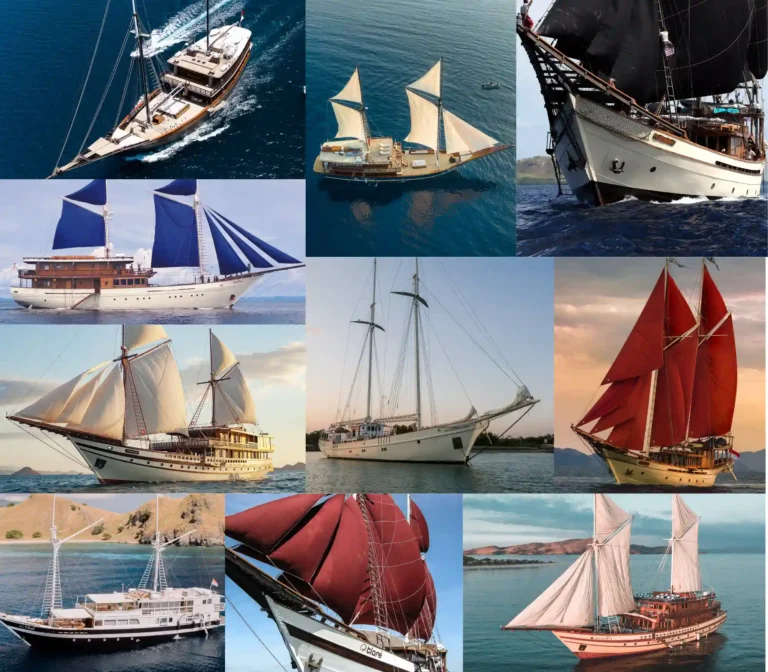
A Phinisi liveaboard offers the highest level of comfort for exploring Raja Ampat’s wide island distances. Traditional Indonesian craftsmanship meets modern luxury — spacious decks, private ensuite cabins, sun lounges, gourmet dining, and fully equipped dive facilities including camera rinse areas and dive tenders. It’s the most efficient and effortless way to reach remote sites such as Misool, Wayag, Blue Magic, and Manta Ridge.
Why Raja Ampat Is
the Best for Liveaboards
A liveaboard is a multi-day sailing trip where your accommodation, transport, and adventure merge into one seamless experience at sea. Instead of returning to land after each dive, you live entirely on board — sailing through Raja Ampat’s remote islands, diving multiple times a day, and waking up to new coral reefs and karst lagoons each morning. Most Raja Ampat liveaboards are traditional Phinisi wooden yachts, blending Indonesian craftsmanship with the comfort of a floating resort.
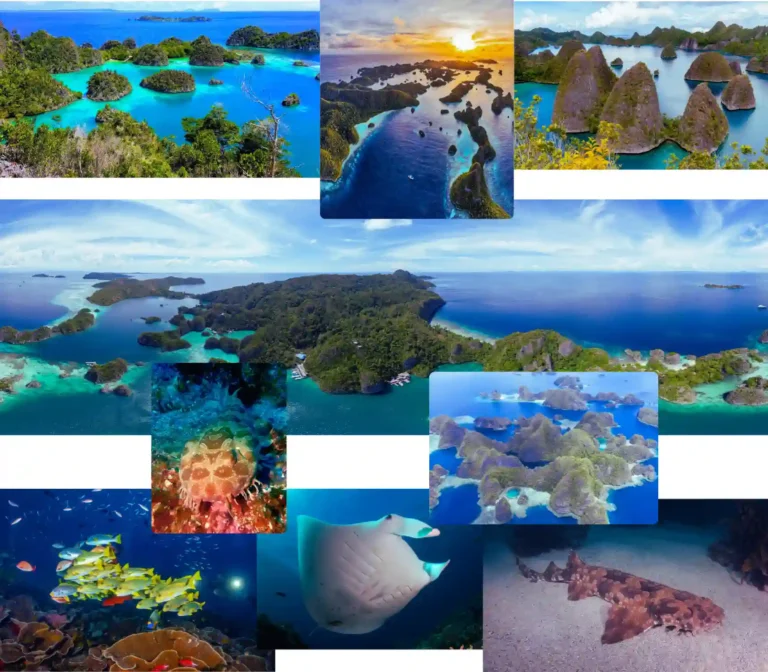
Located at the heart of the Coral Triangle, Raja Ampat is often regarded as the world’s ultimate liveaboard destination. Its 1,500 islands harbor the planet’s highest marine biodiversity, tranquil lagoons, and secret coves accessible only by boat. Each sunrise brings a new dive site and a fresh sense of discovery — from Wayag’s limestone peaks to Misool’s manta cleaning stations. This rare mix of biodiversity, remoteness, and endless route options makes Raja Ampat liveaboards the best way to experience Indonesia’s ocean paradise.
Our Routes & Destinations
Cape Kri is legendary among divers — known as the site where marine biologist Dr. Gerry Allen recorded the highest fish species count in a single dive. Expect massive schools of fusiliers, trevallies, and reef sharks gliding across vibrant coral slopes. Located in the Dampier Strait, it’s often included on every Raja Ampat liveaboard route due to its strong currents and exceptional biodiversity.
Micro-tip: Ideal for experienced divers who enjoy fast drift dives and big-fish action.
Wayag is often called the crown jewel of Raja Ampat. This iconic maze of karst limestone islands offers breathtaking viewpoints, tranquil turquoise lagoons, and glassy waters ideal for kayaking or snorkeling between tiny islets. Liveaboards often anchor nearby, letting guests hike the famous Wayag viewpoint before swimming in its calm lagoons. The scenery here defines the essence of Raja Ampat — untouched, vast, and impossibly photogenic.
Micro-tip: Best visited early morning for calm waters and perfect lighting.
Misool sits deep in southern Raja Ampat and is one of Indonesia’s most protected marine zones. The area is home to world-renowned dive sites like Boo Window, Fiabacet, and Magic Mountain — where manta rays and schooling fish roam above unspoiled coral reefs. Its rich biodiversity and colorful soft corals make it a paradise for divers and photographers alike. Many 10–12 day liveaboards dedicate several days exploring Misool’s hidden reefs.
Micro-tip: Best from October to April when visibility peaks at 30m+.
Just minutes from Kri Island, Blue Magic is one of Raja Ampat’s most famous dive sites. This submerged seamount attracts pelagic giants — from giant trevallies and tuna to occasional oceanic mantas. With currents sweeping nutrients through the strait, divers often find themselves surrounded by dense marine life. It’s a must-dive for those chasing adrenaline-fueled encounters in open blue waters.
Micro-tip: Dive during mild currents for the best visibility and manta sightings.
Raja Ampat’s manta cleaning stations — especially Manta Ridge and Manta Sandy — are home to year-round manta ray gatherings. These gentle giants glide gracefully above divers during cleaning rituals. The sandy bottom and predictable manta behavior make it accessible even for beginner divers and snorkelers. Visiting these sites is an unforgettable experience that defines the magic of liveaboard exploration.
Micro-tip: Visit at slack tide or early morning for guaranteed manta activity.
Pianemo’s dramatic karst formations mirror Wayag’s beauty but are easier to access. A short climb leads to panoramic views of emerald lagoons and countless limestone islets below. Liveaboards often stop here for morning hikes and kayaking sessions through hidden lagoons. The calm, clear waters also make it a top snorkeling destination on non-diving days.
Micro-tip: Perfect sunrise stop for photographers — short hike, huge reward.
Kabui Bay, nestled between Waigeo and Gam, is a labyrinth of limestone cliffs, mangrove channels, and serene lagoons. It’s ideal for kayaking, tender cruising, and landscape photography. The nearby Fam Islands feature calm reefs with excellent visibility and shallow snorkeling spots, making them a must-visit on longer itineraries.
Micro-tip: Ideal for kayaking days or when seeking calmer seas between dive zones.
Sawinggrai combines stunning viewpoints, cultural experiences, and calm snorkeling reefs nearby. It’s one of the few places where travelers can spot the famous Red Bird of Paradise at dawn before heading back for morning dives. The surrounding reefs are rich in coral and perfect for gentle snorkeling between cultural stops.
Micro-tip: Combine early-morning birdwatching with light snorkeling; perfect for non-diving mornings.
Melissa’s Garden is one of the richest coral gardens in the world. Vast coral bommies teem with anthias, wrasses, and small reef critters, while the calm conditions make it perfect for macro and wide-angle photography. Its circular reef structure creates a true underwater amphitheater — a dive site that defines the beauty of Raja Ampat’s reefs.
Micro-tip: Ideal for macro lovers and underwater photographers; go mid-morning for best light.
What to Expect Onboard
Aboard a Raja Ampat liveaboard, you can expect purpose-built diving and comfort-focused facilities — from cozy twin cabins to private ocean-view suites. Every vessel comes equipped with gear stations, camera rinse areas, freshwater showers, and spacious decks for surface intervals. Crews typically include a captain, deckhands, a certified dive master, and a chef preparing local and international dishes.
The rhythm of the day usually follows the ocean: two to four dives, island visits, and sunsets enjoyed from your Phinisi’s upper deck.
Raja Ampat Liveaboard Itineraries
(5D4N – 7D6N – 12D11N)
Our curated routes cover both North and South Raja Ampat:
5D4N Dampier Highlights — Cape Kri, Arborek, Blue Magic, manta cleaning stations.
7D6N North Expedition — Wayag’s viewpoints, hidden lagoons, pristine reefs.
10D9N Complete South + North — Misool’s Boo Window, Fiabacet, Magic Mountain, then Dampier Strait.
- 12D11N Ultimate Raja Ampat Expedition — Extended Misool reefs, remote southern seamounts, secret macro zones, plus full North loop including Wayag & Kawe.
These itineraries ensure guests experience Raja Ampat’s most iconic reefs and landscapes within the perfect timeframe.
Best Time to Join a Liveaboard
The best time to visit Raja Ampat for a liveaboard is between October and April, when seas are calm and visibility is crystal clear. These months coincide with manta season and the region’s most stable weather.
Still, Raja Ampat liveaboards operate year-round, offering unforgettable experiences even outside this window — especially for travelers seeking fewer crowds and a more private ocean escape.
|
Season
|
Ideal For
|
Description & Practical Advice
|
|---|---|---|
|
Peak Season
(Oct–Apr) |
Divers, manta seekers
|
Calmer seas and generally higher visibility (commonly 20–30 m). More consistent manta and pelagic activity; operators run full schedules.
|
|
Shoulder Season
(May–Sep) |
Photographers, private charters
|
Variable weather by micro-location; some sites calmer with fewer boats. Visibility commonly 15–25 m.
|
|
Visibility & Conditions
|
Experienced divers
|
Typical visibility 15–30 m depending on site and currents. Strong currents at Blue Magic and Cape Kri; sheltered lagoons (Wayag, Pianemo) are calm.
|
|
Planning Notes
|
Travel planners, agents
|
Prioritize Peak for manta/pelagic targets; choose Shoulder for quieter itineraries. Allow buffers for flights to Sorong; expect limited Wi-Fi on remote legs — prepare offline backups.
|
What Awaits You
in Raja Ampat
Prepare to be immersed in nature’s masterpiece. Raja Ampat is a labyrinth of emerald lagoons, limestone karsts, and coral gardens that rival anywhere on Earth. Beneath the surface lies a kaleidoscope of color — thriving coral reefs, schooling fish, sea turtles, and the graceful flight of manta rays gliding through warm equatorial waters.
Every sunrise aboard your Phinisi liveaboard reveals something new: secluded bays, mirror-flat lagoons, and pristine reefs alive with marine life. Few places on the planet combine such biodiversity, serenity, and adventure. This is the essence of Raja Ampat, where every voyage redefines what ocean exploration means.
Types of Liveaboard Packages
From divers to private charters, every traveler will find a Raja Ampat liveaboard perfectly suited to their journey.
- Short (3–5 days): Perfect for first-timers who want to experience Raja Ampat’s highlights — short routes, daily dives, and quick getaways.
- Extended (7–10 days): Ideal for travelers looking to cover more dive sites and explore the central and northern regions in comfort.
- Expedition (11–12 days): Full-route exploration including remote islands like Misool and Wayag, designed for seasoned divers and adventure seekers.
- Private/Custom: Fully tailored itineraries for couples, photography teams, or luxury charters seeking exclusivity and flexibility.
Discover curated experiences that combine Indonesian craftsmanship, world-class diving, and the freedom of the open sea.
Luxury Liveaboard Packages
Experience world-class comfort while sailing through the hidden gems of Raja Ampat.
Indulge at Sea
Enjoy fine dining, private decks, and elegant cabins as you cruise through the world’s most beautiful islands.
Diving Liveaboard Trips
Dive into crystal-clear waters filled with manta rays and coral gardens.
Explore Raja Ampat Below the Surface
Multi-day diving packages visiting legendary sites like Misool, Blue Magic & Cape Kri. Guided by certified dive masters.
Private Charter
Customize your route from Wayag’s limestone peaks to Arborek’s vibrant reefs.
Custom Routes, Private Bliss
Plan an exclusive trip from Wayag’s peaks to Arborek’s reefs. Ideal for honeymoons, groups, or solo travelers.
Sail beyond Horizons with Phinisitrip.com
Top Liveaboards in Raja Ampat


Sharing Cabin / Diving Cruise


Types of Phinisi & Facilities
Frequently Asked Questions
Do you offer refunds?
Yes. We provide a 100% refund when cancellations meet the conditions in our cancellation policy. See the booking page for full details or contact support.
What is included in a Raja Ampat liveaboard package?
Most packages include accommodation, meals, island transfers during the trip, guided diving or snorkeling, and fuel. Airport transfers and park fees may be extra — check the itinerary.
How many dives per day are typical?
Typical dive-focused itineraries offer 2–4 dives per day depending on daylight and site distances. Snorkelers can join surface activities when not diving.
Is 5 days enough for Raja Ampat?
A 5D4N itinerary is ideal for experiencing Raja Ampat’s core highlights in the Dampier Strait — including Cape Kri, Arborek, Blue Magic, and manta cleaning stations. It’s a great introduction for first-time visitors. Travelers seeking to explore Wayag, Misool, or more remote reefs typically choose longer routes such as 7D6N, 10D9N, or 12D11N.
Can non-divers join a liveaboard?
Yes. Many liveaboards welcome snorkelers and non-diving guests. Check daily schedules since some itineraries focus strongly on diving sites.
How do I get from Sorong airport to the liveaboard?
Most operators arrange a port transfer from Domine Eduard Osok Airport (Sorong). Confirm the exact meet-up time and allow buffer for domestic flight delays.
What should I pack for a multi-day liveaboard?
Bring a dive certification card (if any), reef-safe sunscreen, lightweight clothing, a small dry bag, toiletries, and camera gear with spare batteries/SD cards.
Is Wi-Fi available onboard?
Wi-Fi may be limited or unavailable on many liveaboards due to remote routes. Expect spotty connectivity; plan accordingly.