

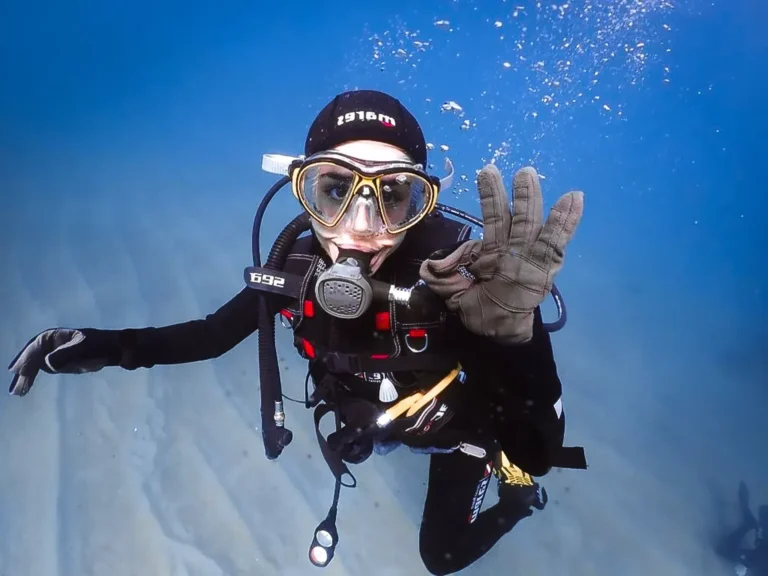
Raja Ampat Diving Liveaboard Trips
Dive deeper into Raja Ampat’s crystal waters and meet the ocean’s gentle giants.
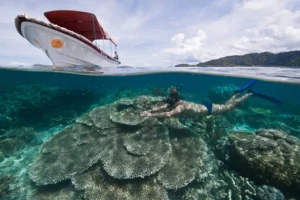
Situated at the heart of the Coral Triangle in Indonesia’s West Papua, Raja Ampat is a remote underwater paradise often called the “Amazon of the Seas.” This legendary archipelago – whose name means “Four Kings” for its four main islands – boasts pristine coral gardens and unparalleled biodiversity.
Over 75% of the world’s coral species flourish here, alongside more than 1,300 types of reef fish. From vibrant reef walls to hidden mangrove lagoons, every dive reveals a living masterpiece. Our Raja Ampat liveaboard diving expeditions let you immerse yourself in this extraordinary seascape.
Exploring Raja Ampat by liveaboard is the only way to fully experience its wild beauty. Climb aboard a traditional phinisi yacht charter and wake up each day at a new dive site. With multiple daily dives and an expert crew guiding you, you’ll cruise far beyond crowded bays to sheltered coral gardens and manta cleaning stations. Enjoy personalized service aboard – gourmet meals on deck, elegant cabins, and a relaxing sun deck for starry nights. Whether you’re a seasoned diver or an adventurous snorkeler, our luxury liveaboard cruises deliver authenticity and comfort in equal measure.
Highlight Dive Sites (what to expect)
Blue Magic
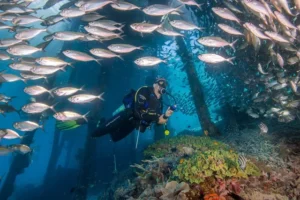
A living coral pinnacle swarming with life. Schools of bumphead parrotfish, snappers and fusiliers blanket this seamount. Colorful soft corals and sea fans cover the peak, making it a photographer’s dream.
Cape Kri
A world-record dive site where 374 fish species were counted in a single dive. Incredibly healthy reefs teem with fish schools, sweetlips, reef sharks and jacks. Strong currents bring pelagics; drift dives here are exhilarating.
Misool
Coral walls, swim-throughs, and macro life. A top choice for both wide-angle and macro photographers.
Kabui Bay and Wayag
It’s a photographer’s paradise and one of the most Instagram-famous spots in Raja Ampat. Most liveaboard trips include Pianemo as a must-visit stop for morning hikes and scenic exploration.
Manta Sandy
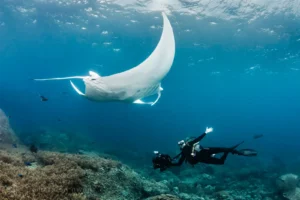
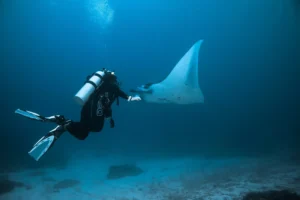
As its name implies, a sandy cleaning station where dozens of graceful manta rays converge. Divers and snorkelers often see these gentle giants circling overhead, giving front-row seats to their cleaning rituals.
*Each night, your boat will anchor near these dive sites (or nearby villages like Arborek or Yenbuba), allowing easy shore excursions between dives.
Raja Ampat’s Incredible Marine Biodiversity
Raja Ampat’s claim to fame is its astounding marine life. As a UNESCO Biosphere Reserve, the region is often called the coral triangle’s crown jewel. More than 75% of the world’s known coral species thrive here, alongside over 1,300 reef fish species.
Large marine life is common. Schools of barracuda, fusiliers and snappers swirl among the corals, while reef sharks (blacktip, whitetip) patrol the shallows. Manta rays and mobula rays frequently visit cleaning stations (like Manta Sandy) and feeding areas, enchanting divers with their graceful glides. Loggerhead and green sea turtles are plentiful; lucky divers may also spot whale sharks or even pygmy blue whales on rare occasions. In fact, Raja Ampat’s famed Cape Kri recorded 374 species of fish on one single dive – a world record that speaks volumes about this diversity.
Equally impressive is the macro realm. Raja Ampat is home to dozens of endemic species found nowhere else. Keep an eye out for the bizarre epaulette (walking) shark inching along sandy flats, or the strange tasseled wobbegong shark resting under coral ledges. Colorful mantis shrimp and flamboyant nudibranchs pepper the reef. Frogfish, seahorses and pipefish hide in gorgonians and sponges. Night dives reveal even more: octopus, bobbit worms, and candy-striped shrimp emerge under torch light.
This dazzling variety – from tiny nudibranchs to giant mantas – makes every dive unpredictable and thrilling. Our guides are thrilled to share their knowledge of Raja Ampat’s critters, helping you spot rare creatures and learn about reef ecology along the way.
Life Onboard a Traditional Phinisi
Your floating base in Raja Ampat will be a classic phinisi – a two-masted wooden sailing yacht blending Indonesian heritage with modern comfort. These graceful teak vessels are built for adventure: tall masts and wide decks reminiscent of pirate ships, but furnished with cozy cabins and amenities.
Aboard our phinisi you’ll find spacious sun decks for lounging, an air-conditioned salon with sofas for reading or planning the next dive, and a professional dive deck with gear lockers and rinse tanks. Cabins are air-conditioned with private bathrooms, comfortable beds and ample storage – so you can unpack just once and truly relax. The onboard crew (often 8–18 people) handle every detail: experienced captains navigate Raja Ampat’s channels, bilingual stewards serve fresh Indonesian and international dishes, and certified dive guides ensure your safety. Many liveaboards include a dedicated camera room where photographers can charge batteries and back up photos in a dry, secure space.
Evenings on board are part of the charm. After dinner you might sip a tropical cocktail on deck as islands drift by under starlight, or gather around a projector for a slideshow of the day’s underwater shots. Our liveaboards also practice sustainable tourism: we pay local marine park fees (which support reef protection) and work with villagers on responsible shore excursions. On a phinisi liveaboard, you get the exclusivity of a luxury cruise plus the warm hospitality of Indonesian culture.
Top Raja Ampat Shore Excursions
Explore world-famous dive sites like Cape Kri, Manta Sandy, and Boo Window
Drift through vibrant coral gardens teeming with reef fish
Encounter majestic manta rays and wobbegong sharks
Capture rare macro life from pygmy seahorses to nudibranchs
Enjoy crystal-clear visibility perfect for underwater photography
Raja Ampat diving promises endless thrills for every diver. The region’s pristine reefs and nutrient-rich waters make every descent unforgettable. Whether you’re an underwater photographer or an avid adventurer, each dive reveals new layers of Liveaboard Diving in Indonesia.
For the ultimate experience, most liveaboard trips include multiple daily dives, guided night dives, and opportunities to explore remote sites unreachable by day boats.
Why Choose a Diving Liveaboard in Raja Ampat
Whether you’re a beginner or an experienced diver, our curated liveaboard trips let you explore Raja Ampat’s pristine reefs, crystal-clear waters, and marine life in comfort and style.
Access Remote Dive Sites
Raja Ampat’s best reefs lie far off shore.
Enjoy up to 4 dives per day (plus optional night dives) without the hassle of daily boat transfers.
More Time Underwater
Explore Raja Ampat’s vibrant reefs and marine life waiting beneath the waves.
Your dive guides handle logistics – booking dives at peak wildlife times – so you can focus on the marine show.
Comfort & Convenience
Our phinisi yachts offer modern comforts at sea.
Dive gear is stored and serviced on board (cabinets, rinse tanks, hot-water showers on deck) so you never waste time hauling equipment.
Expert Crew & Safety
Friendly, professional crews handle everything from cooking to navigation.
Our dive guides know Raja Ampat intimately – spotting ghost pipefish or schooling fish you might miss.
Adventure & Relaxation
Onboard a liveaboard, every day feels like a new adventure.
Sunbathe on deck between dives, kayak through emerald lagoons, or simply watch the sunset on a deserted island beach.
Sail into Depths with Phinisitrip.com
Sharing Cabin / Diving Cruise
Ideal Diving Seasons
Raja Ampat offers excellent diving year-round, thanks to its equatorial location. In general, the most popular and reliable season is October through April. During these months, the weather is often calmer and seas are glassy, making navigation and diving easy. Water temperatures stay warm (around 26–30°C), and visibility often exceeds 20–30 meters in good weather.
However, don’t be discouraged by the calendar: even during the “off” season you can have fantastic dives. Between May and June, brief afternoon showers may pop up, but mornings are usually clear. The months of July to September bring slightly cooler water and choppier seas in certain areas (due to the southeast trade winds), but dive operators adapt by seeking sheltered sites or island lagoons.
Many travelers actually enjoy traveling in shoulder seasons for smaller crowds and the chance of seeing seasonal wildlife behaviors. Our team can recommend the best itinerary for your dates – for example, the central Dampier Strait tends to be excellent in late year, while the reef slopes of northern Misool may shine in the drier months. In summary: plan for October–April for the most stable conditions, but know that Raja Ampat’s reefs are rewarding any time of year.
How to Get There
Reaching Raja Ampat is an adventure in itself — but one that’s absolutely worth it. Most travelers fly into Sorong (SOQ), the main gateway to the islands. From Jakarta, Bali, or Makassar, you can take a direct or connecting flight to Sorong, where your liveaboard team will meet you for transfer to the harbor.
Once you arrive, the journey continues as you board your phinisi and begin your cruise through the turquoise waters of Raja Ampat. Many luxury liveaboard packages already include airport pickup, harbor transfers, and welcome briefings, ensuring your experience starts seamlessly from the moment you land.
If you’re arriving internationally, it’s best to plan an overnight stay in Jakarta or Bali before flying to Sorong. Domestic flights typically depart in the early morning, giving you a smooth connection into this remote paradise.