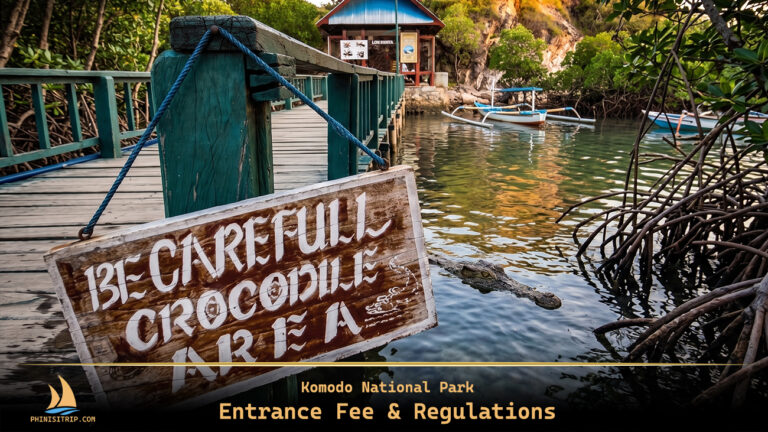
Komodo Island isn’t just another travel destination—it’s a place where raw nature meets untouched beauty. Nestled within Indonesia’s eastern archipelago, Komodo National Park stands as a UNESCO World Heritage Site, famous for its prehistoric dragons, dazzling coral reefs, and majestic phinisi boats sailing across turquoise waters.
But here’s the truth: there’s no single “perfect” time to visit Komodo Island.
Every season unfolds a different face of this paradise. Some months offer golden sunlight and calm seas; others bloom with lush green hills and thriving marine life.
If you’re wondering when you should go—this in-depth seasonal guide will help you plan the ideal trip that matches your travel style, weather preferences, and adventure goals.
Understanding Komodo’s Unique Climate

Komodo Island experiences two primary seasons: the dry season and the rainy season.
Unlike most parts of Indonesia, the Komodo region has a semi-arid climate, heavily influenced by dry winds from Australia. This gives it fewer rainy days and those iconic golden savannah hills that glow under the sun.
Temperatures throughout the year range between 22°C to 32°C (71°F to 90°F). The park enjoys an average of 8–9 hours of sunshine daily, which means outdoor activities are almost always possible.
Here’s a quick look at how the climate shifts through the year:
| Month | Climate Pattern | Sea Condition | Best For |
|---|---|---|---|
| April – June | Warm, dry air with fresh post-rain greenery | Calm & crystal clear | Photography, sailing, diving |
| July – August | Hottest and driest months | Slightly busier, calm seas | Peak tourist season, snorkeling |
| September – November | Warm and balanced | Calm with plankton blooms | Manta rays, luxury sailing |
| December – March | Frequent tropical showers | Intermittent rain, lush scenery | Birdwatching, quiet escapes |
Komodo Island in the Dry Season: April to September
This period is the most celebrated time to visit Komodo. The skies are bright, humidity drops, and the sea turns into a perfect mirror. Days are ideal for island hopping, hiking, and capturing panoramic shots of Padar Island’s famous ridges.
During the dry season, Komodo dragons become easier to spot. With fewer water sources, they wander into open areas near ranger stations or waterholes, making sightings almost guaranteed.
Why the Dry Season is Ideal for Travelers:
- Perfect for diving and snorkeling with 20–30 meters of visibility.
- The ocean is calm—ideal for phinisi sailing cruises.
- Great for drone shots and landscape photography thanks to clear air.
- The park’s trekking paths, especially on Padar and Rinca, are dry and easy to navigate.
If you want reliable weather and the best chance to see Komodo dragons, April to September is ideal — perfect timing for a Lombok to Flores boat trip luxury with calm seas and clear visibility.
Komodo Island in the Rainy Season: November to March
Many travelers overlook this season, but locals know it as Komodo’s most enchanting time. Short bursts of rain transform the dry savannahs into vibrant green carpets. The air feels cleaner, and the entire park turns into a cinematic landscape.
Despite the occasional showers, most days still enjoy several hours of sunshine. Mornings are often bright, while short rains fall in the late afternoon.
Why Visiting During the Rainy Season Is Worth It:
- The landscape becomes lush and alive—perfect for photographers.
- Fewer tourists mean you can enjoy a more peaceful, private experience.
- Excellent time for birdwatching, as migratory species arrive.
- The sea remains swimmable, and the sunsets are incredibly dramatic.
It’s also worth noting that Komodo dragons remain active year-round. During this period, they often hunt or explore more freely in the mild humidity.
Month-by-Month Breakdown: What to Expect in Each Season
Komodo Island offers a completely different atmosphere every few months. Here’s how to pick your month based on what kind of adventure you’re after:
April to June
The post-rain season paints the islands in lush green. Hills glow under golden sunlight, and the sea visibility is at its best. Divers often spot manta rays and whale sharks, while the calm seas make sailing between islands effortless.
Ideal for: photographers, honeymooners, and adventure seekers who love balanced weather and rich colors.
July to August
This is Komodo’s peak tourist season. The weather is flawless—sunny days, flat seas, and clear skies. However, it’s also when boats and accommodations sell out fast. Komodo dragons may be less active due to mating season, but it’s prime time for snorkeling and diving.
Ideal for: families, luxury travelers, and first-timers who want the “classic Komodo” experience.
September to November
Often called the hidden gem period, this stretch offers the best balance between calm weather and fewer tourists. Manta rays begin to appear in abundance, and visibility underwater remains world-class.
Ideal for: divers, photographers, and anyone wanting a less crowded, more authentic experience.
December to March
Rain brings a different magic to Komodo. The green hills return, sunsets glow with intensity, and wildlife becomes more active. While short rains are common, they rarely ruin the day. It’s also the best time for budget travelers, as prices dip slightly.
Ideal for: eco-travelers, couples seeking solitude, and those who love lush landscapes.
Matching Komodo’s Seasons to Your Travel Style
To help you decide when to go, here’s a guide based on what kind of traveler you are:
| Traveler Type | Best Time to Visit | What You’ll Love |
|---|---|---|
| Adventure Seeker | May – August | Calm seas, thrilling treks, diving spots |
| Photographer | April – June | Bright greens, vivid skies, fewer crowds |
| Luxury Traveler | September – November | Smooth sailing, private charters, manta season |
| Budget Explorer | December – March | Low prices, empty trails, lush views |
| Wildlife Enthusiast | April – July | Dragon sightings, bird activity, coral health |
Insider Tips for Visiting Komodo at the Right Time
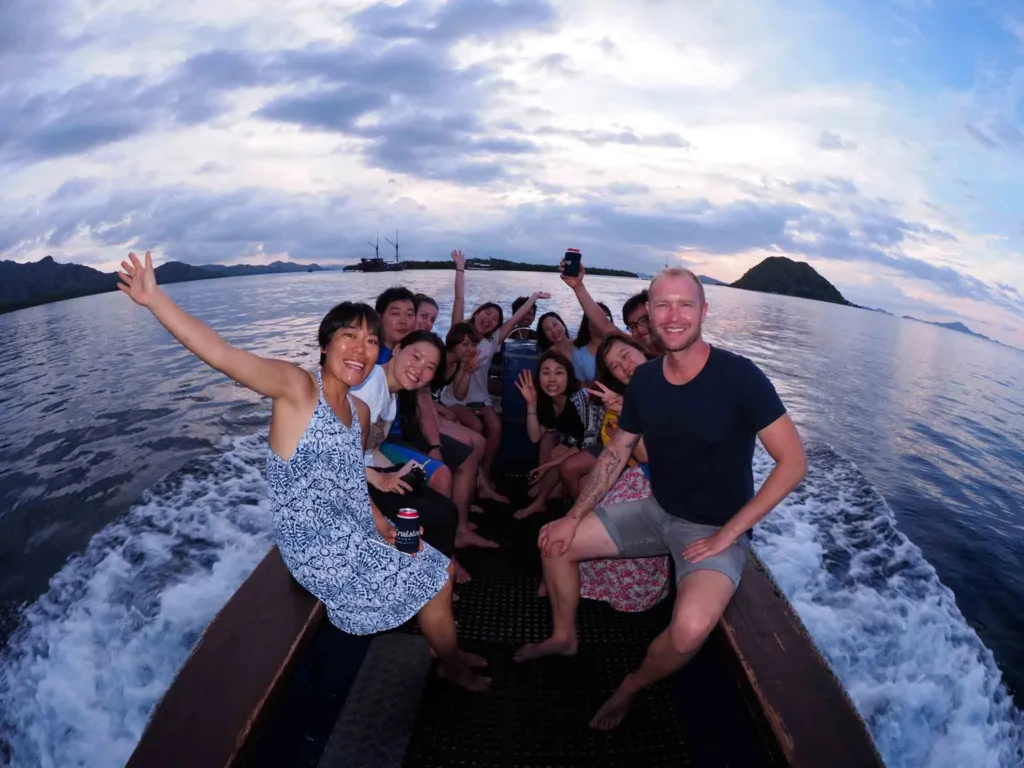
Planning ahead can make or break your Komodo experience. Beyond picking the right month, these local insights will help you experience the islands like a pro.
Check the weather and tides.
Komodo’s microclimate means conditions can change between islands. Always check local marine forecasts before sailing.
Combine your trip with Bali or Flores.
Most flights to Labuan Bajo connect through Bali. Spending a night or two in Bali before flying east can make your journey smoother and more enjoyable.
Book your phinisi early.
During the dry season, luxury phinisi ships are often fully booked months in advance. Secure your cabin early, especially for popular routes like Komodo–Padar–Pink Beach.
Pack smart for land and sea.
Bring sturdy shoes for hiking, reef-safe sunscreen, a light rain jacket, and dry bags for your gear.
Respect the island and its wildlife.
Always keep distance from the dragons, avoid feeding them, and follow ranger instructions. Responsible tourism helps protect this fragile ecosystem.
Why Komodo is a Year-Round Destination
No matter when you come, Komodo Island never truly “closes.” The shifting seasons simply highlight different layers of its beauty.
- Dry season (April–September) is for sun-chasers, divers, and photographers.
- Rainy season (November–March) is for solitude, lush scenery, and birdwatching.
Even during transitional months, such as October or March, travelers often get the best of both worlds—partly dry landscapes with the return of marine activity.
This year-round adaptability makes Komodo one of Indonesia’s most reliable nature destinations.
Planning the Perfect Visit with PhinisiTrip.com

If you want to experience Komodo at its best, let PhinisiTrip.com handle your adventure.
With local expertise and access to the largest fleet of phinisi ships, every komodo tour package is crafted for comfort, safety, and discovery — perfect for those who dream of a Labuan Bajo sailing trip that blends adventure, relaxation, and authentic island charm.
Here’s what makes PhinisiTrip.com your trusted sailing partner:
- Tailor-made itineraries adjusted to seasonal highlights.
- Expert crews who know the safest and most scenic routes.
- Shared and private cruise options for every budget.
- Flexible booking for unpredictable weather months.
Imagine waking up to the gentle sound of waves, surrounded by Komodo’s emerald islands, while sipping coffee on the deck of a luxury phinisi. That’s the experience PhinisiTrip delivers—authentic, effortless, and unforgettable.
The Final Verdict: When Should You Go?
If you want to see Komodo Island at its absolute finest—April to June and September to November stand out as the most balanced months. The seas are calm, the crowds are fewer, and nature reveals its most vivid colors.
But in truth, Komodo never disappoints. Whether under the blazing summer sun or after a cleansing tropical rain, this island remains one of Earth’s last frontiers—wild, beautiful, and eternal.
So when you’re ready to plan your voyage, choose the season that fits your rhythm, and sail into the heart of Komodo National Park with PhinisiTrip.com — the gateway to Indonesia’s most breathtaking marine paradise.
Key Takeaways
- For a stress-free and unforgettable journey, explore our curated Komodo tour package and Labuan Bajo sailing trip options with PhinisiTrip.com — crafted for comfort, safety, and discovery.
- April to September is the best time to visit Komodo Island — expect clear skies, calm seas, and perfect underwater visibility for diving and snorkeling.
- April to June offers lush green landscapes and a chance to see baby Komodo dragons — ideal for photographers and nature lovers.
- July to August marks the peak season, so expect more visitors and higher prices — make sure to book your boat and accommodation in advance.
- September to November brings great weather but fewer crowds, making it perfect for those seeking a more relaxed adventure.
- November to March (rainy season) is still worth visiting if you prefer tranquility and want to witness Komodo’s greener, more tropical scenery.
- No matter the month, Komodo National Park is a year-round destination — just remember to check weather and sea conditions before sailing.
-
Is it safe to visit Komodo Island during the rainy season?
Yes, Komodo Island remains safe to visit during the rainy season (November to March). While short tropical showers are common, they usually fall in the afternoon and rarely last all day. The sea around Labuan Bajo may get slightly choppy, but phinisi captains are experienced in navigating local conditions. The islands turn lush and green, creating stunning views for photography. If you plan to hike or trek, wear shoes with good grip and always check weather forecasts before departure.
-
When is the best time to see Komodo dragons?
The dry season, especially between April and August, offers the highest chance to see Komodo dragons in the open. As water sources dry up, these dragons often gather near watering holes or sunbathe in open spaces, making sightings almost guaranteed. However, they remain active year-round, including in the rainy season, though they’re often found resting under the shade or near the coastlines.
-
Can I visit Komodo Island all year round?
Absolutely. Komodo National Park is a year-round destination, with each season offering a distinct experience. The dry months are perfect for island hopping, diving, and sunbathing, while the rainy season paints the savannah hills emerald green and attracts migratory birds. Even in transitional months like March or October, the weather is balanced, and the park remains fully open to visitors.
-
Is it possible to dive or snorkel during the rainy season?
Yes, diving and snorkeling are still possible during the rainy season. Visibility underwater can reach 15–25 meters, especially in sheltered sites like Sebayur, Tatawa Besar, and Siaba. Rain has minimal effect on the underwater world, and manta rays are often spotted between December and March. Always consult your dive operator for updated marine conditions before booking.
-
Which month is the least crowded in Komodo?
If you want to avoid crowds, the best months are January, February, and early March. This is the park’s quietest period, with very few boats in the harbor. Accommodation and phinisi rates also tend to be lower, making it ideal for travelers seeking privacy or luxury on a budget.
-
How do the seasons affect marine life in Komodo National Park?
Komodo’s marine ecosystem changes beautifully with the seasons. From April to June, the reefs are vibrant, and visibility is crystal clear. July to November brings nutrient-rich currents, attracting manta rays, turtles, and reef sharks. During December to March, plankton blooms lure larger pelagic species like whale sharks. No matter when you dive, Komodo’s biodiversity never disappoints.
-
What is the temperature like throughout the year?
Temperatures in Komodo stay fairly consistent, ranging between 22°C and 32°C (71°F–90°F). The dry season feels warmer with stronger sunlight, while the rainy season brings cooler mornings and evenings. Sea temperatures hover around 27°C–30°C, perfect for swimming and snorkeling all year long.
-
Is it safe to travel by boat in Komodo during the wet months?
Yes, but with preparation. Boat trips continue safely even in the wet season, thanks to local captains who are experts in predicting weather changes. Most phinisi operators adjust routes depending on wind direction and rainfall. It’s always best to book with certified operators who follow safety protocols and provide weather-based flexibility in their itineraries.
-
What makes the dry season special for tourists?
The dry season (April–September) offers the ultimate Komodo experience: calm seas, blue skies, and high visibility for snorkeling and diving. It’s also the best time for Padar Island hikes, sunset viewing at Kalong Island, and spotting Komodo dragons in the wild. This is the classic “postcard Komodo” moment every traveler dreams about.
-
Which season offers the best value for money?
For travelers seeking comfort with lower costs, the shoulder months—April, May, September, and November are ideal. You’ll still enjoy great weather, smooth seas, and active wildlife but with fewer crowds and better availability on phinisi cruises and accommodations.