Under the shimmering waters of Komodo National Park lies a realm of serenity where sea turtles reign supreme. Known among divers as Turtle City, Siaba Besar is a living testament to nature’s harmony—a place where coral gardens bloom beneath turquoise waves and marine life dances in balance with the tides.
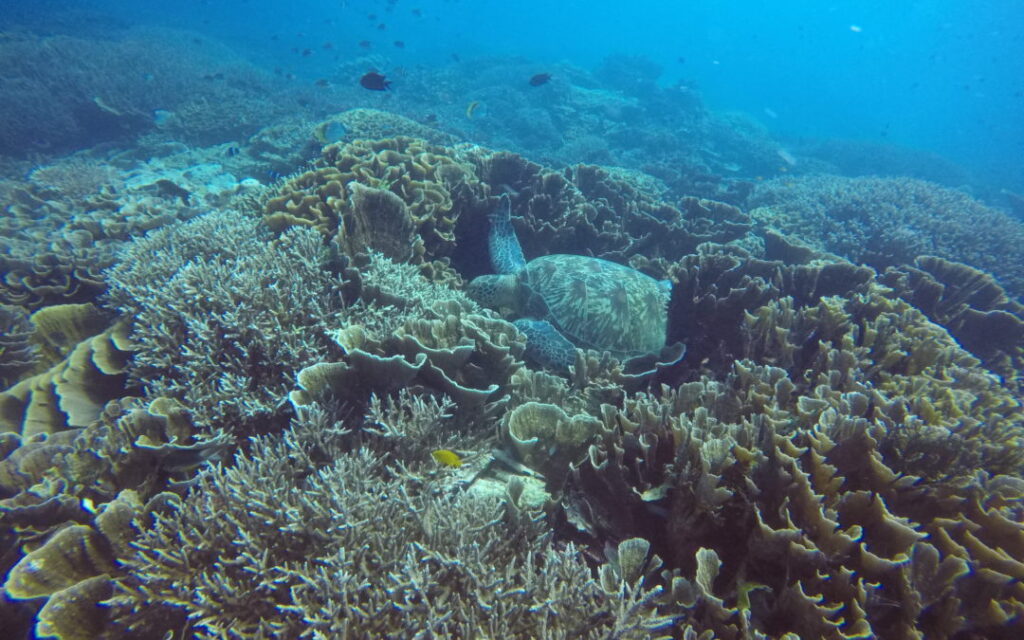
The underwater terrain here is a captivating blend of reef slopes, rocky outcrops, and sandy patches, creating natural sanctuaries for marine life. Schools of reef fish shimmer through the light, while turtles drift unhurriedly in the gentle current. Every dive reveals a new chapter in this living underwater story.
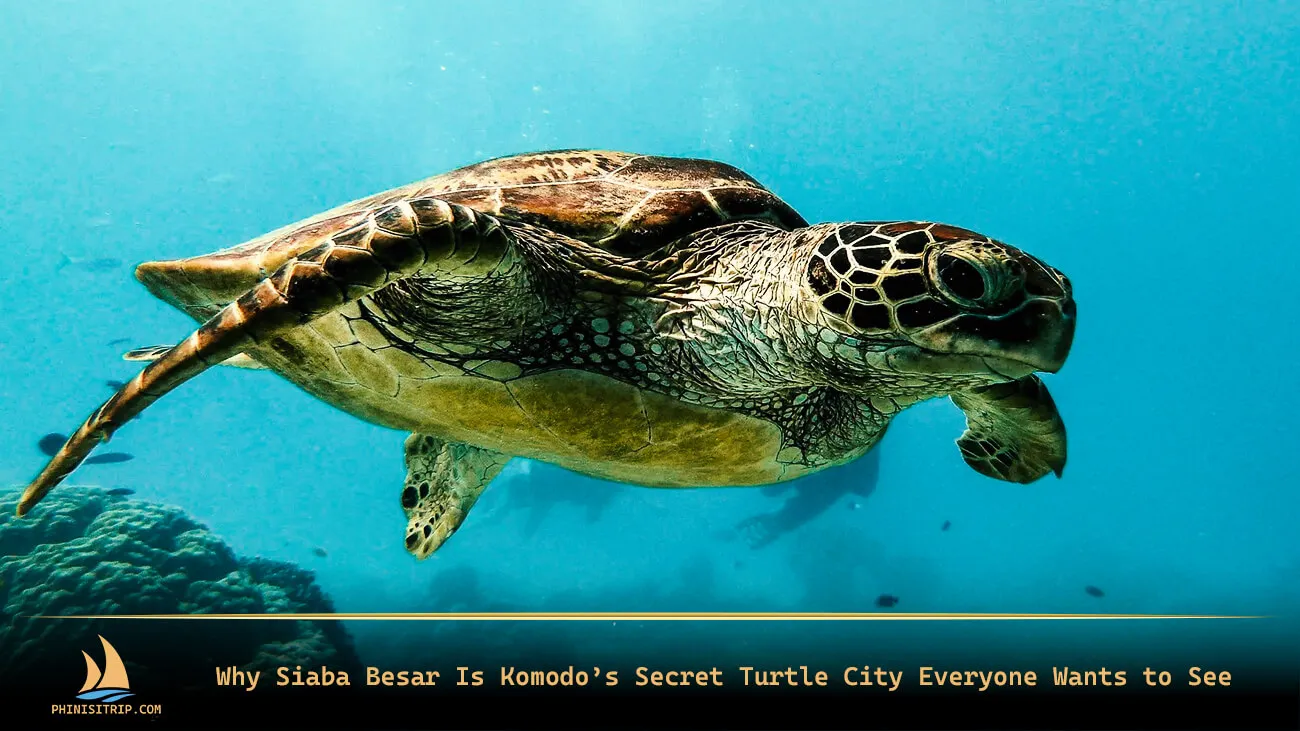
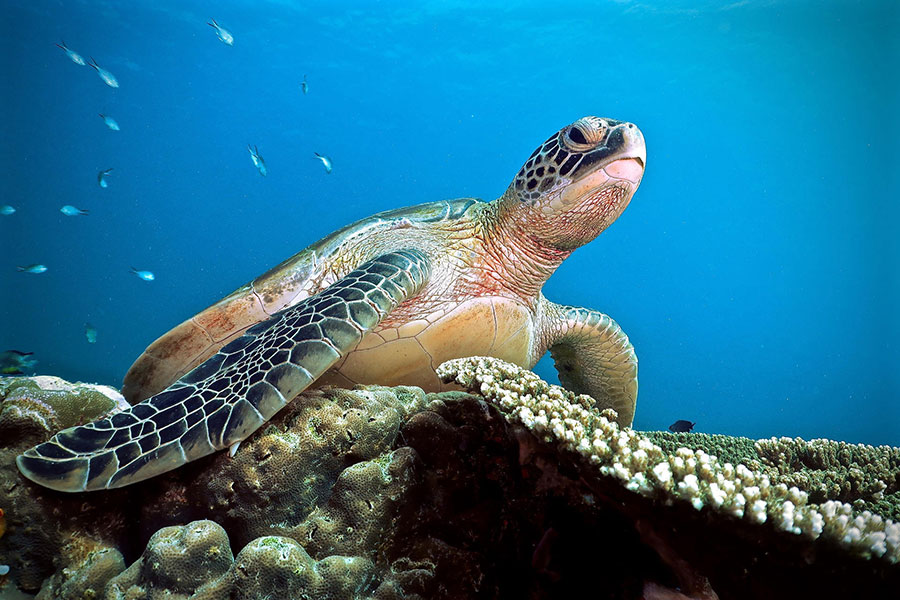
Siaba Besar is home to one of the most consistent turtle populations in Komodo. Divers frequently encounter dozens of turtles in a single dive, often resting on coral heads or foraging along the reef.
Beyond the turtles, Siaba Besar hosts an intricate food web of colorful residents:
Reef Fish: Clouds of anthias, butterflyfish, and wrasses illuminate the coral gardens.
Predatory Fish: Groupers and snappers linger around the slopes, maintaining balance in the ecosystem.
Pelagic Species: Barracudas and jacks occasionally make their appearance in the open blue.
The harmony of life here showcases the resilience of Komodo’s marine ecosystem—a dynamic display of color, motion, and connection beneath the waves.
Beneath the surface, Siaba Besar’s coral landscape unfolds like a living tapestry. Massive hard corals dominate the terrain, while soft corals sway with the rhythm of the sea. The site’s underwater geography adds even more drama:
Reef Walls and Slopes: Ideal for drift dives, where currents bring in nutrients and life flourishes.
Rocky Crevices: Shelters for small fish, shrimp, and nudibranchs seeking refuge.
Sand Channels: Pathways that sometimes reveal eagle rays gliding through the clear shallows.
As sunlight pierces the water, the reef glows in kaleidoscopic hues, revealing nature’s artistry at its purest.
Though famed for its underwater treasures, Siaba Besar’s surface beauty is equally mesmerizing. The island’s rugged coastlines are fringed with mangroves and limestone ridges, offering a tranquil escape between dives.
[[Photo: The coastline of Siaba Besar with turquoise shallows and lush vegetation.]]
Local boatmen often describe Siaba Besar as the heartbeat of Komodo’s calm side. While sites like Manta Point bring adrenaline, Siaba Besar brings balance—a sanctuary for both marine life and the divers who visit.
Originally known only to local fishermen and early dive pioneers, Siaba Besar slowly gained fame through word of mouth. Its reputation as a turtle sanctuary grew as international divers shared their encounters, turning it into one of Komodo National Park’s most celebrated dive sites.
Preserving Siaba Besar’s ecosystem is crucial to maintaining its delicate beauty. Under the supervision of Komodo National Park authorities, several conservation measures are in place:
Limiting diver numbers per trip
Enforcing no-touch and no-anchor policies
Regular reef health monitoring
Educating visitors on marine protection practices
Local dive operators actively collaborate with conservation groups to ensure that tourism supports, rather than harms, this fragile paradise.
The dry season (April to December) offers the best conditions for diving—calm seas, warm water, and visibility exceeding 25 meters. These months also coincide with the highest turtle activity, making it the ideal time for underwater photography.
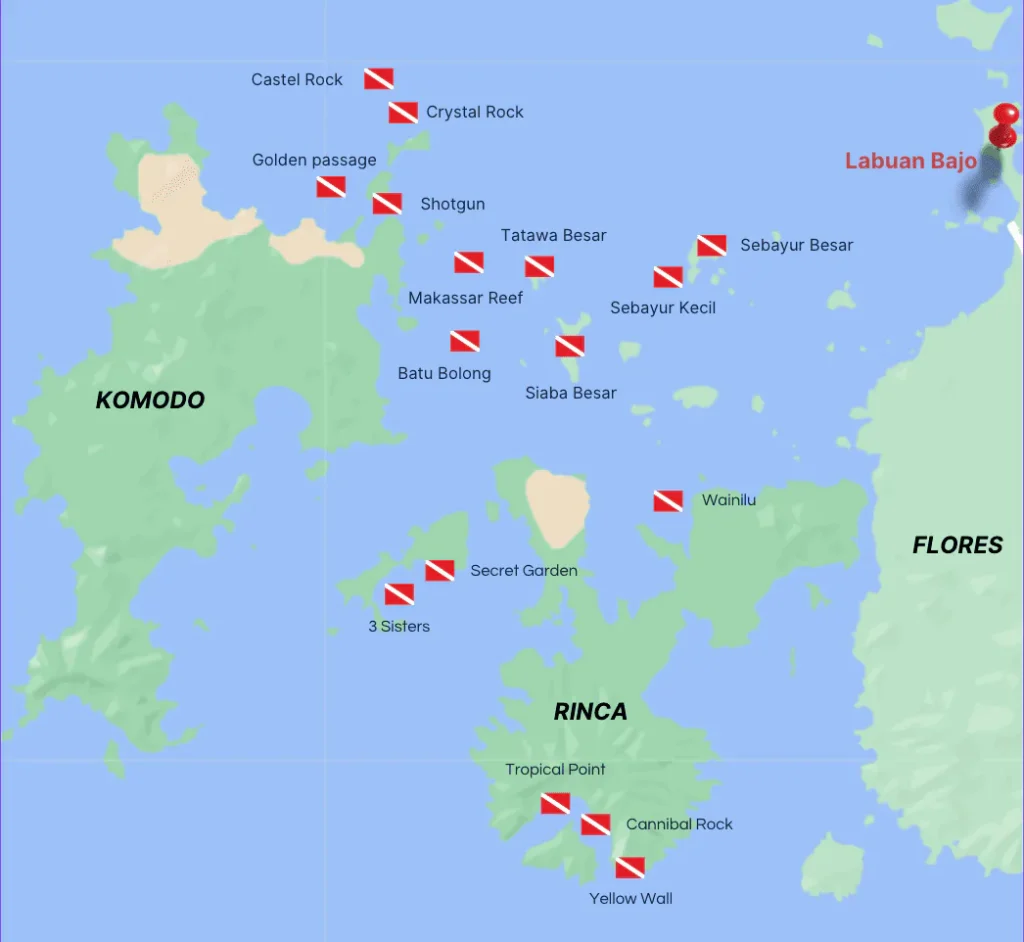
Travelers usually fly to Komodo Airport in Labuan Bajo (Flores). From there, local tour operators organize daily dive trips and liveaboard expeditions covering Siaba Besar and nearby sites such as Manta Point and Pink Beach.
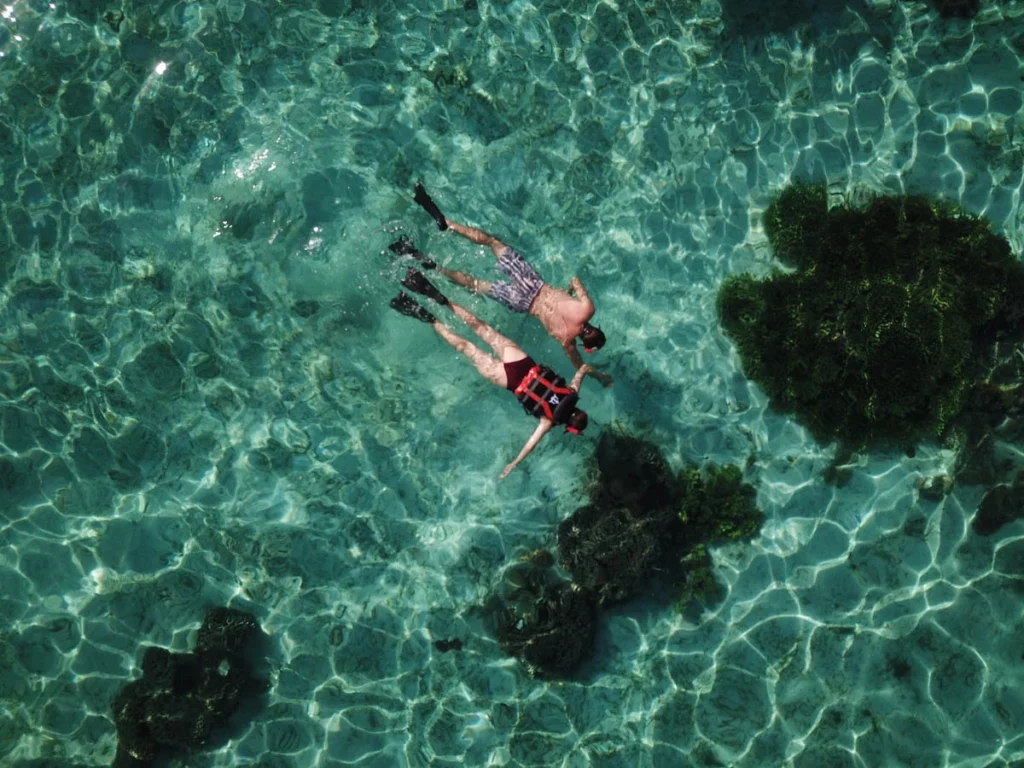
Siaba Besar is beginner-friendly, with depths ranging from 5 to 25 meters and mild currents. Dive briefings often include tips for spotting turtles, current direction, and coral protection etiquette. Even snorkelers can enjoy the shallow reef flats where turtles often surface for air.
To make the most of a Komodo adventure, Siaba Besar can be woven seamlessly into a wider exploration itinerary.
Each nearby destination adds its own magic, offering a rhythm and contrast that makes the journey unforgettable:
Step into a prehistoric realm where Komodo dragons roam freely across sun-scorched savannahs and mangrove forests. Guided treks here offer a rare chance to see the world’s largest lizards up close in their natural kingdom.
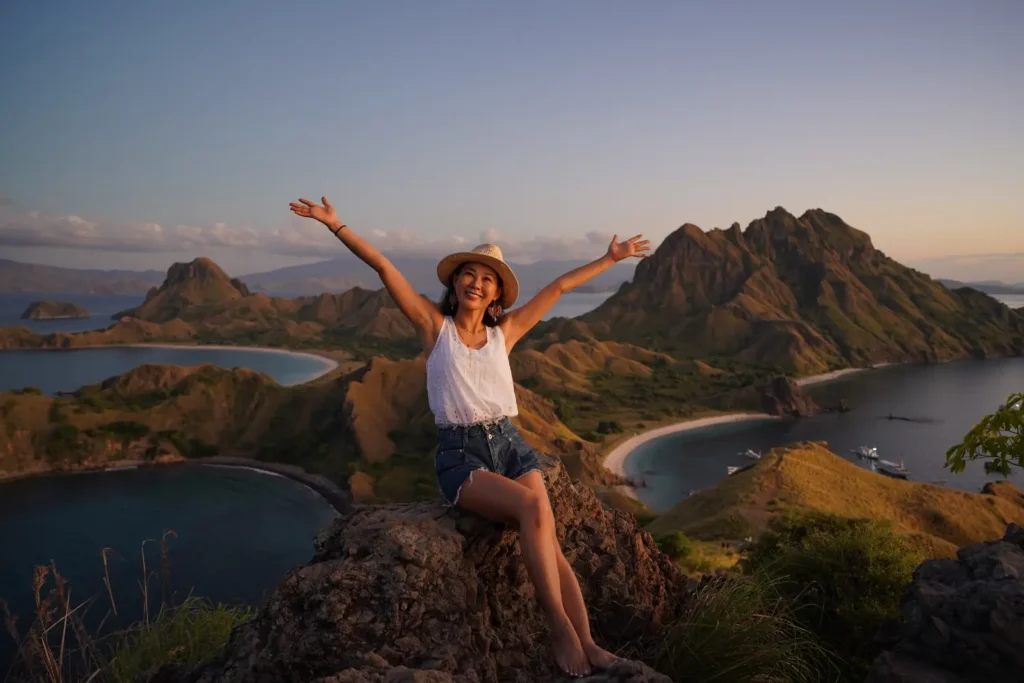
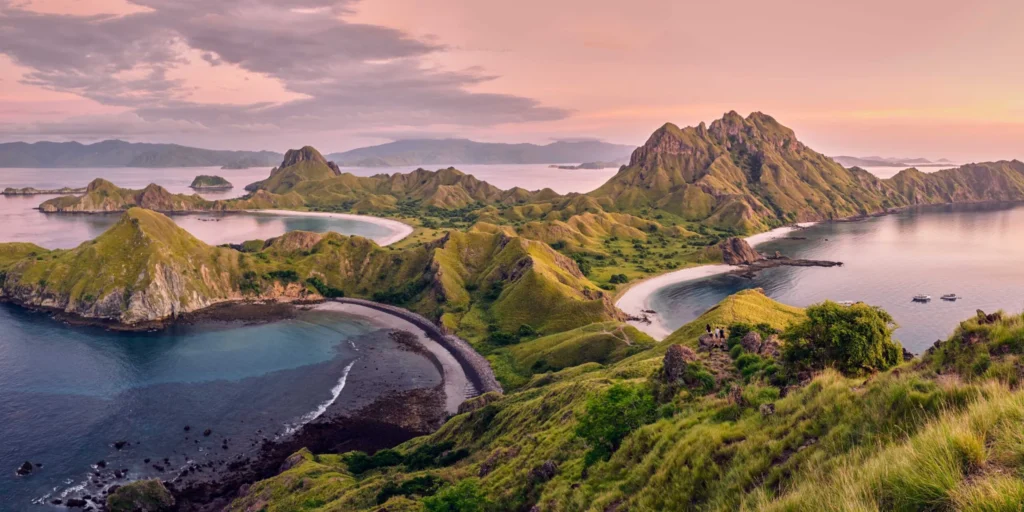
A short hike rewards visitors with panoramic views of three crescent-shaped bays, each a different hue of blue. Padar’s sunrise trek is one of Indonesia’s most iconic travel moments, perfect for photographers and adventurers alike.
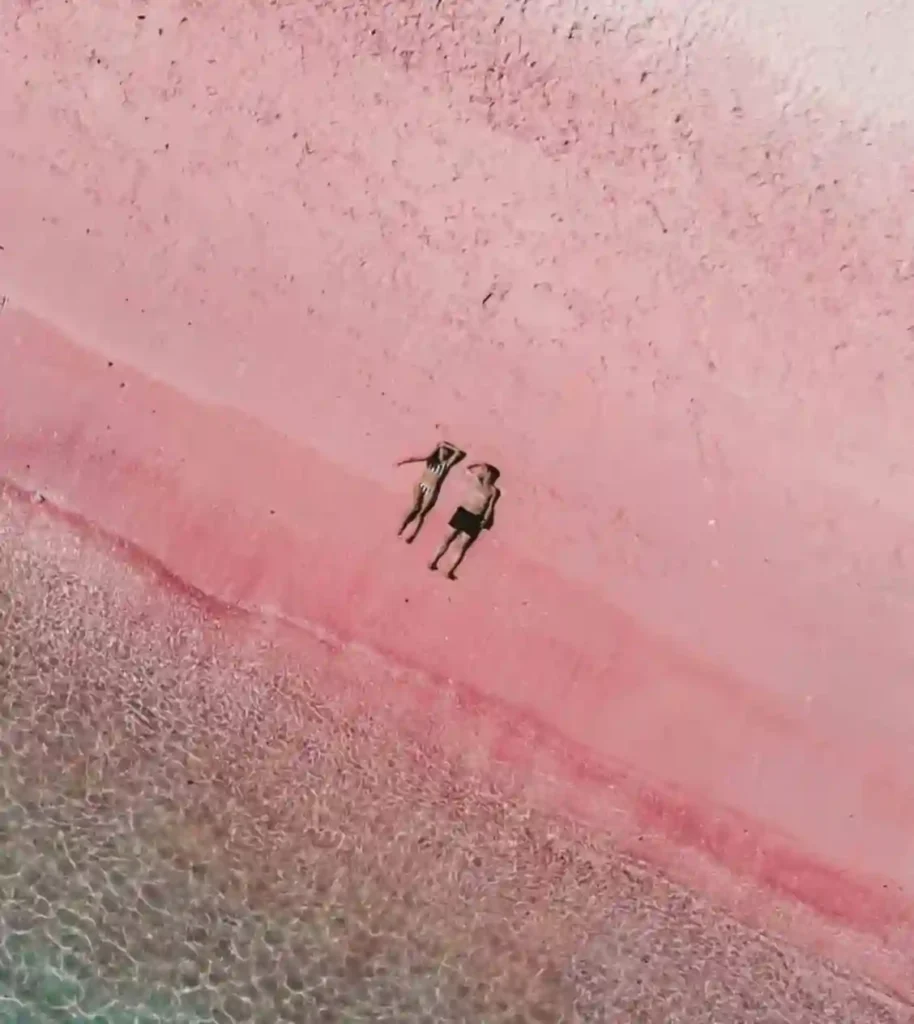
A surreal shoreline where soft white sand blends with crushed red coral, creating a blush-pink hue that glows under the sun. Snorkeling just off the beach reveals lively coral gardens teeming with tropical fish.
Drift along gentle currents as majestic manta rays glide gracefully overhead, often circling divers with curious elegance. This is one of Komodo’s most famous underwater encounters, unforgettable for beginners and seasoned divers alike.
Known for its crystal-clear shallows and powdery sand, Kanawa is ideal for calm snorkeling, laid-back sunbathing, or simply watching the sky ignite during sunset. A perfect pause between the park’s adrenaline-filled dives.
Each destination complements Siaba Besar’s tranquil charm with its own unique rhythm and scenery.