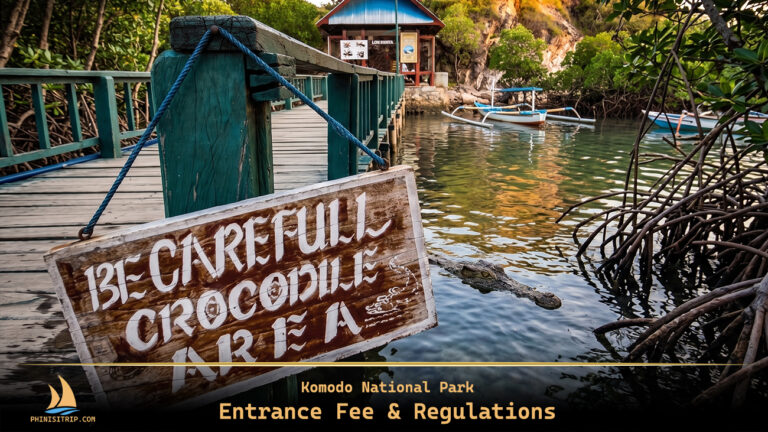
Tucked between the islands of Sumbawa and Flores, Komodo National Park is one of the most spectacular corners of Indonesia, a place where prehistoric dragons roam, coral gardens glow beneath turquoise seas, and rugged hills rise dramatically from the ocean. Over the past few years, it’s transformed from a quiet diver’s paradise into a must-visit destination for travelers from around the world.
Still, planning a trip here isn’t always straightforward. Should you join a shared liveaboard or rent a private phinisi? Is it better to stay on land in Labuan Bajo or sleep under the stars on a boat? What if it rains or if the dragons are nowhere to be found?
This complete guide breaks down everything you need to know: routes, logistics, avoiding crowds and practical tips from travelers who’ve been there.
Table of Contents
What are the Komodo Islands?

Komodo Island is the most famous island inside Komodo National Park, an archipelago of volcanic islands in eastern Indonesia. The park includes Komodo, Rinca, Padar, and around two dozen smaller islets. It was established to protect unique terrestrial wildlife, most notably the Komodo dragon (Varanus komodoensis), as well as its globally significant marine ecosystem.
The islands combine rugged, dry hills and savanna with turquoise bays and thriving coral reefs. On land, you’ll find steep ridgelines, grassy slopes, and small coastal villages. Beneath the surface, strong currents bring incredible biodiversity and vibrant coral gardens.
For first-time travelers and divers, Komodo promises both unforgettable wildlife encounters and some of Indonesia’s most thrilling dive experiences.
How to Get There
Getting to Komodo National Park is straightforward but always involves at least one sea leg. The primary gateway is Labuan Bajo on Flores Island. From there, boats of every size depart daily to the park.
By Air (fastest)
- Fly to Komodo International Airport (LBJ) in Labuan Bajo. Daily domestic connections run from Bali (Denpasar), Jakarta and Surabaya. There are seasonal and expanding international links from hubs such as Singapore and Kuala Lumpur.
- From the airport it’s a short drive to Labuan Bajo harbor where most boats depart.
By Sea (adventurous)
- Public ferries connect parts of the Lesser Sundas; these are slow but economical. Multi-leg overland + ferry journeys from Bali or Lombok are possible but can take a day or more.
- Liveaboard cruises and private charters often sail from Lombok or Bali to Komodo as part of longer itineraries.
From Labuan Bajo to the Park
All island access is by boat. Options:
| Boat type | Typical duration (one-way) | Best for |
|---|---|---|
| Shared speedboat / day-trip | 1–3 hours | Quick highlights and day trips |
| Private speedboat | 1–2 hours | Flexibility for small groups |
| Liveaboard / phinisi | Multi-day | Divers, photographers, multi-island exploration |
| Public ferry | Several hours | Budget travelers and island-to-island transfers |
Most visitors fly to LBJ, then join either a day trip or a multi-day liveaboard.
If you want the smoothest logistics and the best local knowledge bundled, consider booking a curated option such as a Komodo tour package that handles transfers, permits and guided treks. For a classic short liveaboard experience, a Komodo tour 3D2N is the go-to choice for many travelers.
Read More: How to Get to Komodo Island: Your Complete Travel Guide
How to Explore Komodo National Park

Exploration style depends on your priorities: wildlife, diving, photography, or simply island-hopping. Here are the main approaches.
Day trips from Labuan Bajo
Day trips suit travelers with limited time. Typical day-trip stops include Padar, Komodo Island (or Rinca), Pink Beach and a snorkeling site. Expect early departures and packed itineraries.
Multi-day liveaboard
Liveaboards allow you to reach remote dive sites early and skip the crowds that come later in the day.
Typical itineraries last from two to seven nights and cover iconic spots such as Padar, Komodo Island, Pink Beach, and Manta Point. Liveaboards usually handle all permits, ranger coordination, and meals, making your trip easier and more seamless overall.
Private charters

Private charters are ideal for photography, family groups or tailored schedules. You can ask the captain to prioritize specific islands, dive windows, or quieter anchorages.
Trekking vs. snorkeling vs. diving
- Trekking on Komodo and Rinca is guided and short; expect 30–90 minute walks with rangers.
- Snorkeling is accessible from most boats; many sites have shallow reefs ideal for non-divers.
- Diving ranges from sheltered coral slopes to strong-current drift dives for advanced divers.
Staying in Komodo National Park

There are two lodging models: stay in Labuan Bajo and do day trips, or liveaboard and sleep on the boat.
Labuan Bajo (base)
Labuan Bajo has hostels, mid-range hotels and upscale resorts. Staying on land gives access to restaurants, cafes and tour offices. For first-timers it’s a convenient base.
Liveaboards and phinisi
Traditional phinisi yachts and modern liveaboards vary from budget shared cabins to luxury private charters. A liveaboard removes daily transfers and lets you chase sunrise and sunset photo windows.
Choosing where to stay: quick checklist
- Want nightlife, restaurants, reliable Wi‑Fi: stay in Labuan Bajo.
- Want early start times, more dive windows and remote access: choose a liveaboard.
How Much Time to Spend Here

Time in Komodo should match what you want to see and how you travel.
- 1 day: Quick day trip to Padar plus a short Komodo visit (very rushed).
- 2 days: Padar, Komodo/Rinca and Pink Beach (possible but tight).
- 3 days (recommended minimum): Classic 3D2N liveaboard, Padar sunrise, Komodo trek, Pink Beach and Manta Point snorkel/dive.
- 5+ days: Dive-focused or multi-island exploration with room for contingency days.
If diving is your priority, add extra days to allow for missed dives due to currents or weather.
Best Time to Go
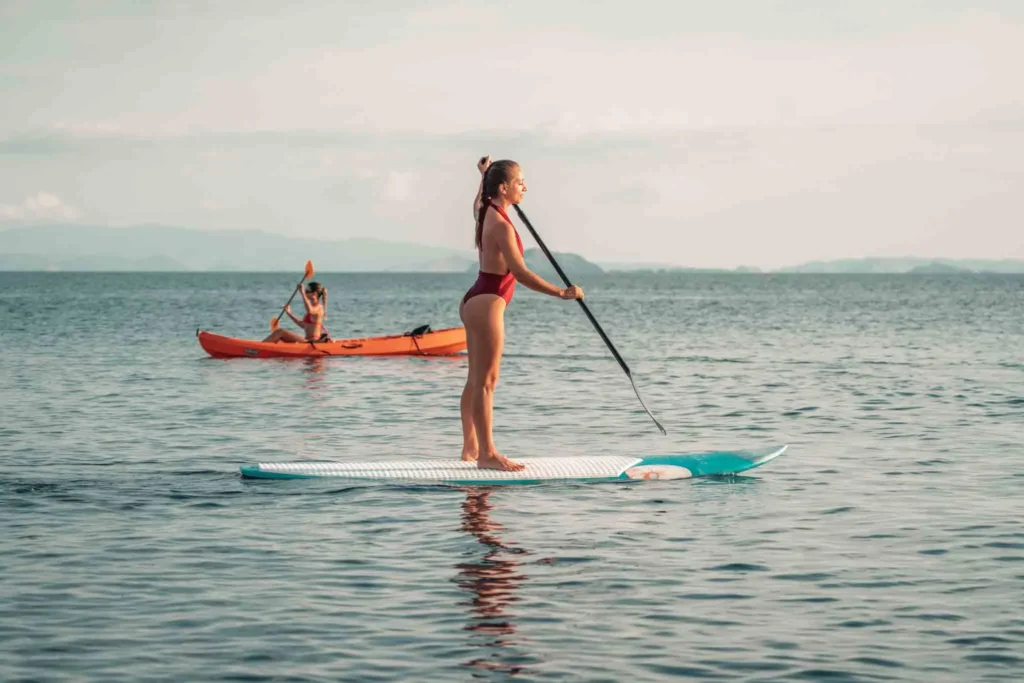
Climate matters. The most reliable window is the dry season — generally considered the best time to visit Komodo Island.
| Period | Conditions | Best for |
| April–November | Dry season, calmer seas, better visibility | Diving, trekking, photography |
| December–March | Wet season, heavier seas, fewer boats | Fewer tourists, greener landscapes, but risk of cancellations |
Peak months are July–August; book early if you travel then. Shoulder months (April–June, September–November) offer good balance of weather and fewer crowds.
Important to Know (rules, permits and safety)
- Park permit: every visitor must have a permit; operators usually handle this. Rangers accompany all land treks.
- Ranger rules: always follow ranger instructions, keep a safe distance and never feed wildlife.
- Drone rules: drone use requires prior permission; don’t fly without permit.
- Waste and water: amenities on islands are minimal; carry reusable water and pack out trash where possible.
- Health: bring seasickness remedies, reef-safe sunscreen and basic first-aid items.
Komodo Island (the dragon hotspot)
Komodo Island is the iconic stop. Treks are short but exhilarating: you’ll walk under ranger guidance across savanna and inspect dragon habitats.
Keep clear of wildlife and follow the ranger’s signals. Expect dusty trails, heat and spectacular viewpoints near the coast.
What to See & Do
Rinca Island
Rinca is less visited and often recommended to avoid crowds.
Trails can be slightly longer than Komodo’s main trek and encounters with dragons can feel less interrupted. For quieter wildlife viewing, Rinca is a smart choice.
Padar Island
Padar’s summit is the postcard image of Komodo: a 30–45 minute climb rewards you with a horseshoe of bays and uniquely colored beaches.
Sunrise is the sweet spot for photos and fewer people.
Pink Beach
Pink Beach’s sand is tinged by crushed red reef fragments. Snorkel the adjacent reefs for calm coral gardens; visit in early morning or late afternoon for the best light and fewer boats.

Manta Point
Known for manta ray sightings, Manta Point is a cleaning station where mantas gather.
Best visited from liveaboard itineraries at early morning or late afternoon. Snorkelers can often watch mantas from the surface, but maintain respectful distance.
Siaba Bay
Siaba Bay a.k.a turtle city has pinnacles and drop-offs with steady chances of pelagic sightings.
It’s a quieter alternative to some busier dive sites and is good for both snorkeling and diving when conditions permit.
Kalong Island (Flying Foxes)
At dusk Kalong Island becomes the stage for fruit bats that leave the trees in huge clouds. Time your visit to arrive before sunset; the spectacle is brief but unforgettable.
How to Choose a Boat Trip
Join-in vs Private Boat
- Join-in (shared) trips are budget-friendly and social. Best for solo travelers and small budgets. Less flexibility on schedule.
- Private charters cost more but allow tailored itineraries, private diving, photography stops and flexible timing. Best for families, groups or professionals.
Day Trip vs Overnight
- Day trip: short, intense, cost-efficient. Good if time is tight.
- Overnight (liveaboard): immersive, gives you better dive windows and quieter mornings/afternoons at sites.

Diving vs Sightseeing
| Focus | Pros | Cons |
| Diving | Access to world-class reefs, mantas and pelagic life | Requires certification/experience for some sites and can be current-heavy |
| Sightseeing | Easy access to viewpoints and dragon treks, less gear hassle | Misses deep dive sites and some remote snorkeling spots |
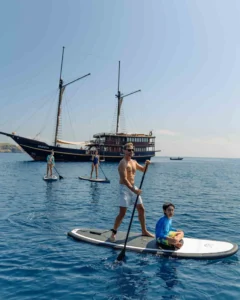
If you’re both diver and sightseer, a liveaboard often balances both activities, consider the tour 3 Days 2 Nights for straightforward logistics.
Budget Boat vs Phinisi Boat
Budget speedboats are quick and cheap but rough; phinisi boats are more stable and comfortable and often include cabins and meals.
If you’re prone to seasickness or on a longer trip, prefer a phinisi — the traditional Indonesian sailing vessel that glides more steadily through the waves.
At PhinisiTrip.com, we handpick only the most trusted phinisi operators across Komodo and Raja Ampat, ensuring every journey is as smooth, scenic, and unforgettable as possible.
What are Komodo Park Fees?
Fees fluctuate; typical components include park entrance, ranger fees and port/harbor charges.
Many operators package these fees, but always confirm inclusions. Expect a higher fee for international visitors than for local residents.
What Should I Pack?
1. Lightweight long-sleeve clothing
2. Sturdy walking shoes
3. Reef-safe sunscreen
4. Reusable water bottle
5. Basic first-aid and seasickness meds
6. Snorkel set (if you prefer your own)
7. Waterproof bag for electronics
8. Power bank and spare SD cards
Can I Fly Out on the Day My Trip Ends?
It’s possible but risky. Weather or sea delays can cause missed flights; if flight times are tight, build a buffer day in Labuan Bajo.
Can I Go On My Period?
Yes. There is no formal restriction, but be mindful of hygiene on boats and during treks. Some women prefer to adjust activities or travel timing based on comfort.
Can I Bring My Drone?
Drone use requires permission and may need a special permit. Don’t fly without paperwork; operators and park management enforce this.
Is Komodo or Rinca Better for Seeing Dragons?
Both have reliable dragon populations. Komodo attracts more visitors; Rinca tends to be quieter with similar opportunities for sightings.
Are the Dragons Drugged?
No confirmed evidence supports the notion that dragons are routinely sedated for tourists. They are large wild predators; ranger presence
Can I travel from Bali to Komodo by boat?
No, you can’t. The only practical way to reach Komodo from Bali is by air. There are multiple daily flights from Denpasar (Bali) to Labuan Bajo, the small harbor town that serves as the gateway to Komodo National Park. The flight takes about 1 hour and 30 minutes.
If you have a liveaboard or tour scheduled, it’s best to arrive in Labuan Bajo one day before your departure, since most boats leave early in the morning — before the first flights land.
Can I travel from Lombok to Komodo?
Yes, but choose wisely. A few local operators run multi-day Lombok to Komodo boat trips, and the route is known for occasional whale shark encounters. However, many of these tours involve unethical practices, such as feeding the sharks to attract them for photos. This disrupts their natural migration, alters behavior, and makes them dependent on humans.
For conservation reasons, we don’t recommend joining those trips. If you still want to experience whale sharks responsibly, consider joining certified eco-operators elsewhere in Indonesia.
Can I still join a Komodo trip if I get seasick?
That depends on how sensitive you are to motion. If you only experience mild nausea, you can still go with some preparation. Here’s what helps:
1. Bring non-drowsy seasickness medication and take it before boarding.
2. Travel during the dry season (May to November) when the sea is calmer.
3. Choose a larger Phinisi (15 passengers or more) or a speedboat, as they tend to be more stable.
If your seasickness is severe, go for a 1-day speedboat tour instead of overnight trips. You’ll still see the highlights without the discomfort of sleeping on a moving boat.
How can I avoid the crowds in Komodo?
Komodo has become much busier over the years — we’ve seen it evolve from a quiet island chain with no streetlights to a world-famous attraction. To enjoy a more peaceful experience, follow these tips:
1. Avoid peak season.
Skip June to August and major Indonesian holidays like Idul Fitri (Raya).
2. Travel midweek.
Weekdays are noticeably quieter than weekends, and many 3D2N or 4D3N options run from Tuesday to Thursday.
3. Pick the right itinerary.
Join a Komodo tour package that visits Padar at sunset instead of sunrise, or heads to Manta Point early morning before other boats arrive. Small timing adjustments can make a huge difference in your experience.