A pink beach is a rare coastal phenomenon where the sand appears visibly rose, coral, or blush due to the accumulation of red foraminifera shells or crushed pink coral fragments. Fewer than one hundred beaches worldwide display consistent natural pink coloration.
The most famous examples include Pink Sands Beach in Harbour Island, Bahamas, Horseshoe Bay in Bermuda, and the Pink Beach in Komodo National Park, Indonesia. Each location produces its color through distinct marine ecology.
This global guide ranks the ten most beautiful pink sand beaches in the world, compares color intensity, explains the science behind the phenomenon, and helps travelers decide which destination offers the most vivid pink sand experience.
Why Are Some Beaches Pink?
The pink coloration of certain beaches is primarily biological in origin. It results from the accumulation of pigmented marine material, not from mineral staining or volcanic rock, which distinguishes pink beaches from red or black sand beaches produced by purely geological processes.
Foraminifera: the primary source
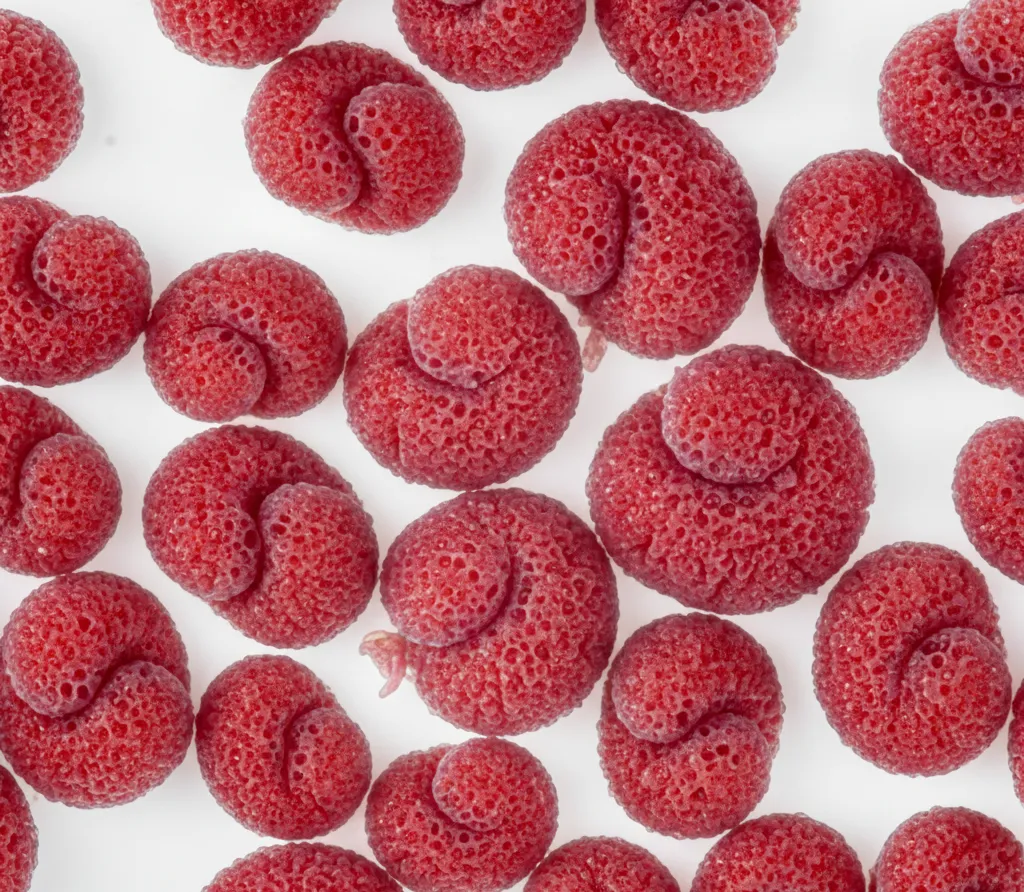
The most important biological contributor to pink beach sand is a group of microscopic marine organisms called foraminifera, or forams. These single-celled protists build calcium carbonate shells called tests. The species most directly responsible for pink beach coloration is Homotrema rubrum, which produces a vivid red-to-crimson shell by incorporating iron oxide from the surrounding seawater into its calcium carbonate structure.
Homotrema rubrum is abundant in warm, shallow reef environments across the Atlantic and Caribbean. When individual organisms die, their shells fragment and are carried by wave action onto the shore, mixing with the base sediment. In locations where foram populations are dense and the sediment transport conditions are favorable, the accumulated tests shift the entire beach toward pink. Bermuda and the Bahamas are the most cited examples of foram-driven coloration.
Coral and shell fragments
In the Indo-Pacific region, pink beaches are more typically produced by the fragmentation of pink and red corals rather than foram accumulation. Branching corals and encrusting reef structures break apart during storms and high-energy wave events. The resulting fragments are ground progressively finer by surf action and incorporate into the beach sediment. The Komodo pink beach in Indonesia is a primary example of coral-fragment coloration, with red organ pipe coral and other reef-derived material responsible for the distinctive hue.
Calcium carbonate base
The base composition of all pink beach sand is calcium carbonate rather than silica quartz. This matters for two reasons. First, calcium carbonate is inherently softer and finer in texture, which gives pink beaches their characteristic powdery consistency. Second, calcium carbonate particles reflect and scatter light in the warmer end of the visible spectrum, amplifying warm tones that silica sand would suppress. The calcium carbonate base does not create the pink color on its own, but it acts as a neutral or warm foundation that enhances the effect of any pigmented biological material mixed into it.
Optical effects and lighting conditions
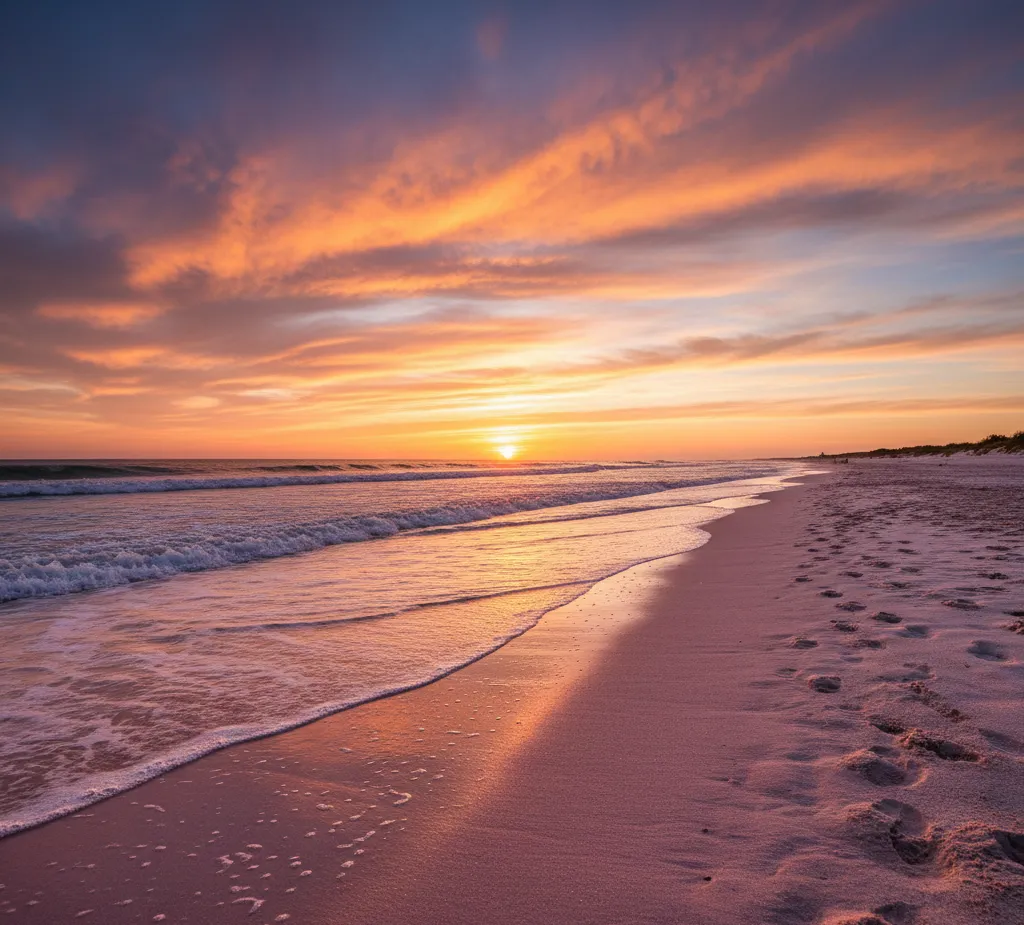
The perceived intensity of pink beach color is not fixed. It changes throughout the day based on the angle and quality of ambient light. At sunrise and sunset, when light travels through more atmospheric mass and is enriched in red and orange wavelengths, pink beaches appear dramatically more saturated. At midday under direct overhead sun, the same beach may appear pale or nearly white. Wet sand near the waterline typically shows deeper coloration than dry sand higher on the beach because the water film changes how light penetrates and reflects within the sand grains.
This optical variability is important context for travelers. The pinkest versions of these beaches are seen at low sun angles, in wet conditions, and in sheltered bays where fine-grained pigmented material concentrates without being dispersed.
Where Are Pink Beaches Found Around the World?
Pink beaches are not distributed randomly. They cluster in specific oceanic regions where the combination of reef ecology, water temperature, carbonate platform geology, and wave conditions aligns to produce and sustain the phenomenon.
Caribbean and Atlantic islands
The Caribbean basin and the western North Atlantic contain the highest concentration of well-documented pink sand beaches. The shallow carbonate platforms of the Bahamas, Bermuda, Barbuda, and Bonaire support dense populations of Homotrema rubrum and other pigment-producing organisms. The region’s warm water temperatures, clear visibility, and long-established reef systems have allowed foram populations to build up over thousands of years. The resulting beaches tend toward consistent, moderately deep pink coloration that is reliable across a range of lighting conditions.
Mediterranean
Mediterranean pink beaches occur on a different biological basis. The enclosed sea has lower foram diversity than the Atlantic, and the dominant contributors to pink beach coloration in Greece and Spain are fine-ground shell material and the calcium carbonate remains of seagrass bed organisms. The result is a softer, more subtle pink that often verges on blush or champagne. Beaches in Crete and Formentera are representative examples. The color is dependent on specific lagoon or bay geometries that allow fine sediment to accumulate without dispersal.
Southeast Asia and the Indo-Pacific
Southeast Asian pink beaches, particularly in Indonesia and the Philippines, derive their coloration from coral fragments rather than forams. The extraordinarily high coral diversity of the Coral Triangle region, which encompasses Indonesia, the Philippines, and Papua New Guinea, means there is a wide variety of reef material available for fragmentation and deposition. The resulting pink beaches tend to be smaller and more localized than Caribbean examples, often appearing in sheltered coves adjacent to healthy reef systems. Pink beach Indonesia destinations, including those in Komodo and Lombok, are the most accessible examples in this region.
Atlantic volcanic islands
Bermuda represents an outlier in the Atlantic, sitting far to the north of the Caribbean but sharing similar biological conditions. Its pink beaches are produced by the same Homotrema rubrum mechanism as the Bahamas, and the island’s long exposure to North Atlantic storms has concentrated foram material on specific south-facing beaches.
10 Most Beautiful Pink Sand Beaches in the World
1. Pink Sands Beach – Harbour Island, Bahamas
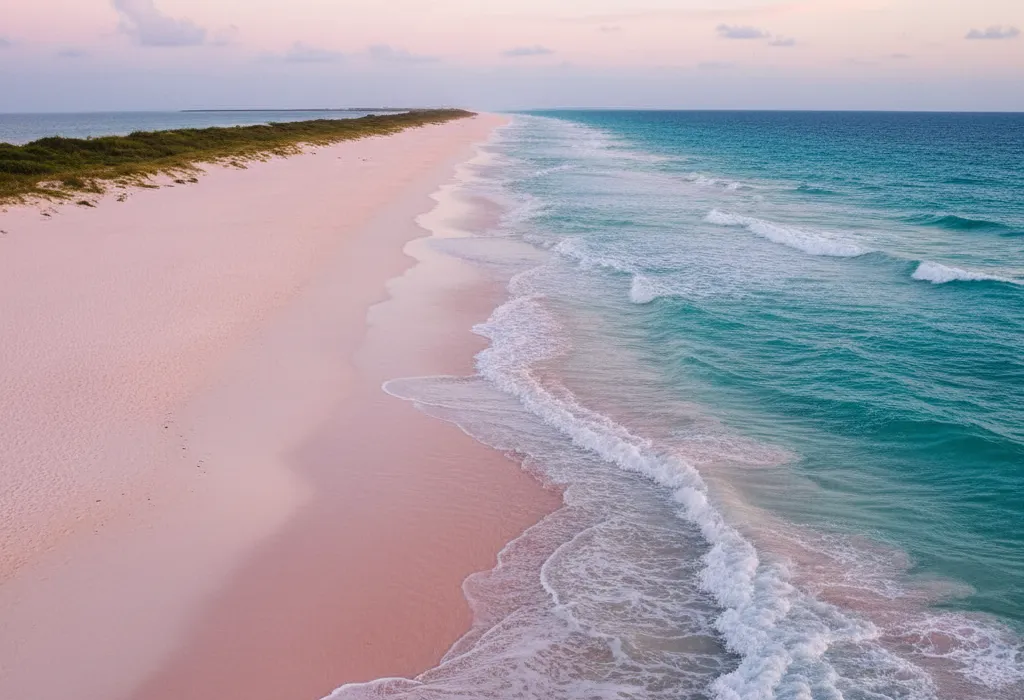
- Location overview: Harbour Island is a small island in the northern Bahamas, accessible by ferry from North Eleuthera. Pink Sands Beach runs approximately five kilometers along the Atlantic-facing coast.
- Why this pink beach appears pink: The sand contains a high concentration of Homotrema rubrum foram tests, which produce a deep red-to-crimson pigment. The coral reefs just offshore maintain a continuous supply of fresh material.
- Pink intensity level: High. Color is consistent and visible under most lighting conditions throughout the day.
- Best time to visit: December through April. The dry season brings calm Atlantic conditions, clear water, and minimal rain.
- Conservation status: The offshore reefs are under pressure from ocean warming and acidification. Reef health directly determines the long-term viability of the pink sand color.
- What makes this pink beach unique: Pink Sands Beach is the benchmark against which other pink sand beaches worldwide are measured. Its combination of length, consistency of color, and the quiet colonial character of Harbour Island creates a travel experience that remains unmatched in the Caribbean. This is the pink sand beach Bahamas travelers most commonly cite as a reference destination.
2. Elafonissi Beach – Crete, Greece
- Location overview: Located at the southwestern tip of Crete, Elafonissi faces a shallow lagoon with a small island accessible by wading across a sandbar.
- Why this pink beach appears pink: Crushed pink and red shell fragments, foram material, and fine-grained carbonate particles from the protected lagoon accumulate in the sheltered bay geometry.
- Pink intensity level: Low to Moderate. Color is most visible in wet sand conditions and at low sun angles.
- Best time to visit: May through June or September through October. Peak summer brings heavy crowds and degraded conditions.
- Conservation status: Natura 2000 protected area. Development is restricted, but high visitor volumes cause ongoing erosion to dune systems and trampling of beach vegetation.
- What makes this pink beach unique: Elafonissi offers the pink beach Greece experience in a lagoon setting that combines shallow, warm turquoise water with the distinctive rosy sand. The wading path to the island and the surrounding cliffscape make it one of the most photographed coastal scenes in the entire Mediterranean.
3. Pink Beach – Komodo National Park, Indonesia
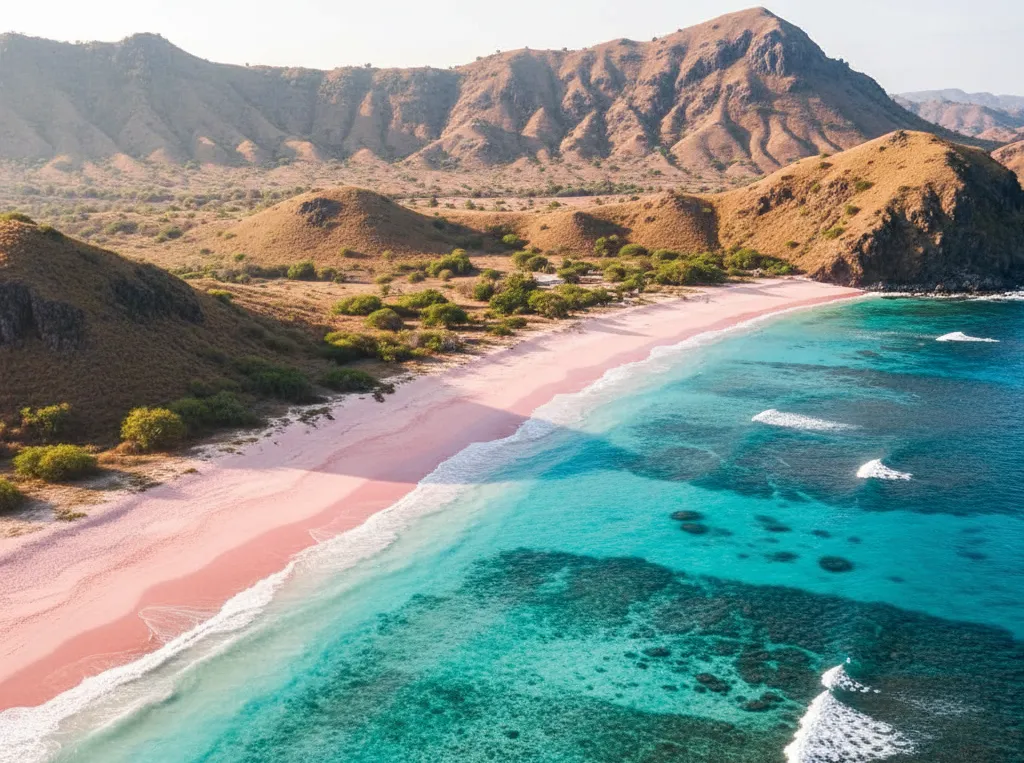
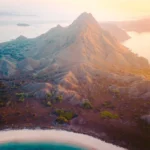
- Location overview: Known locally as Pantai Merah, this beach is situated on the island of Padar within the Komodo National Park, East Nusa Tenggara province. Access is exclusively by boat from Labuan Bajo.
- Why this pink beach appears pink: Red coral fragments, primarily from organ pipe coral and other branching reef species, combine with carbonate sediment in a sheltered bay where low wave energy allows accumulation.
- Pink intensity level: Moderate to High. The color is clearly visible and distinctive, though not as deeply saturated as the Bahamas example.
- Best time to visit komodo: April through August, during the dry season, when seas are calm and visibility is optimal.
- Conservation status: UNESCO World Heritage Site and national park. Entry requires permits. Visitor numbers are regulated. The surrounding marine environment supports over 1,000 fish species and 250 coral species.
- What makes this pink beach unique: The pink beach Labuan Bajo connection makes this the most internationally recognized entry point for Southeast Asian pink beach travel. The combination of vivid coloration, dramatic hillside savanna landscape, and world-class snorkeling in the adjacent reef creates an experience that extends well beyond the sand itself. Travelers interested in making the most of this area often explore structured Komodo island tour packages that combine visits to multiple sites within the park.
4. Pantai Tangsi – Lombok, Indonesia
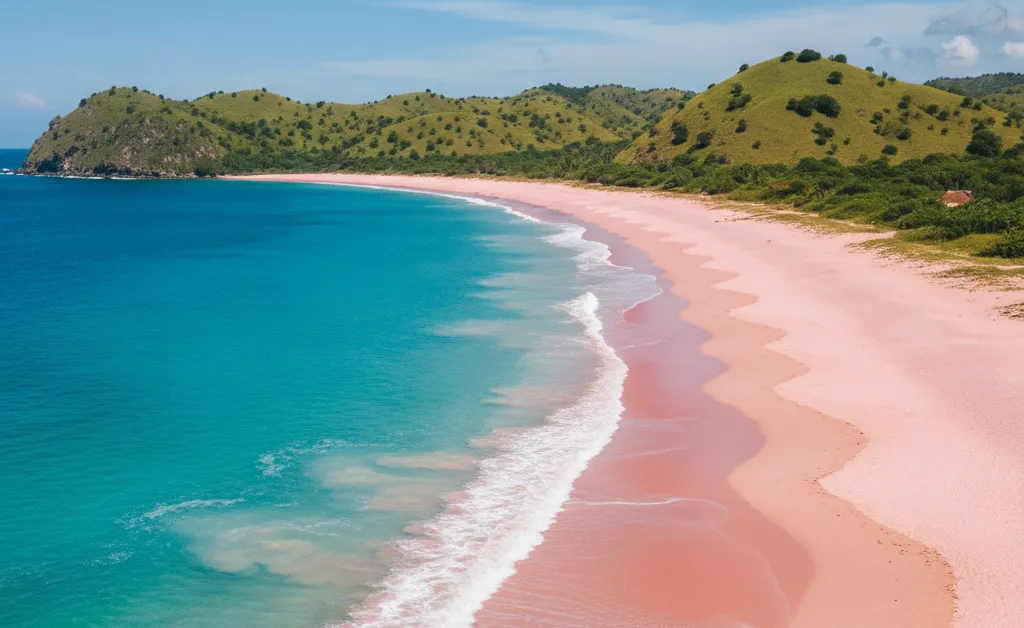
- Location overview: Located on the southeastern coast of Lombok near the village of Sekaroh, this beach is reached by rough road or boat from Tanjung Luar.
- Why this pink beach appears pink: A combination of coral fragments, pink shell material, and fine carbonate particles accumulates in a series of small sheltered coves along a rocky coastline.
- Pink intensity level: Low to Moderate. Color is subtle and most apparent in wet sand or under soft morning light.
- Best time to visit: May through September. The road conditions in this part of Lombok make dry season travel strongly advisable.
- Conservation status: No formal protected status, but low visitor numbers have preserved the natural condition of the coastline.
- What makes this pink beach unique: Pantai Tangsi offers the pink beach Indonesia experience in a raw, largely undeveloped setting. The surrounding cliffs, the absence of tourist infrastructure, and the quieter character of this part of Lombok make it the preferred choice for travelers who want solitude alongside the natural phenomenon.
Read Also: Pink Beach Lombok vs Komodo, Which One Should You Visit?
5. Great Santa Cruz Island Pink Beach – Philippines
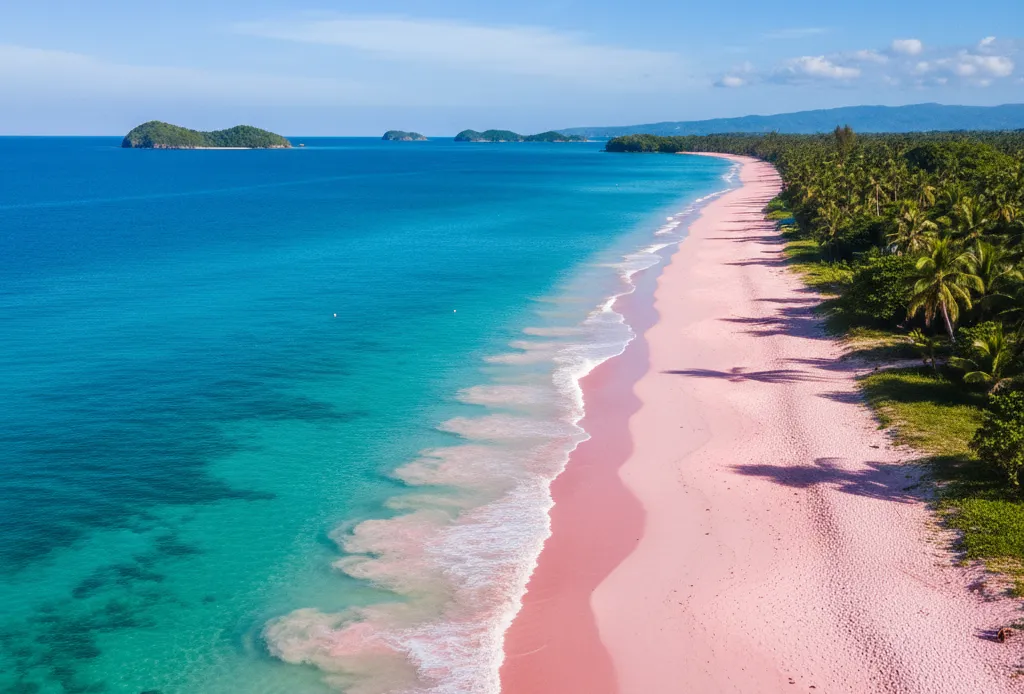
- Location overview: Situated approximately 30 minutes by boat from Zamboanga City on the island of Mindanao, Great Santa Cruz Island is a small protected reserve managed by the city government.
- Why this pink beach appears pink: Crushed red organ pipe coral fragments mix with white carbonate sand. The color is produced by the same coral-fragment mechanism found in Indonesian pink beaches.
- Pink intensity level: Moderate. The color concentrates in tidal zone areas where coral material accumulates and is most visible in wet sand.
- Best time to visit: March through May, during the dry season.
- Conservation status: Government-managed natural reserve. Entry requires a permit and visitor numbers are controlled. No accommodation exists on the island.
- What makes this pink beach unique: The pink beach Philippines designation applies most definitively here, though the site remains far less visited than Caribbean or Indonesian counterparts. The combination of controlled access, reef proximity, and the unusual urban-to-nature contrast of the Zamboanga departure point creates a distinctive travel experience.
6. Horseshoe Bay Beach – Bermuda
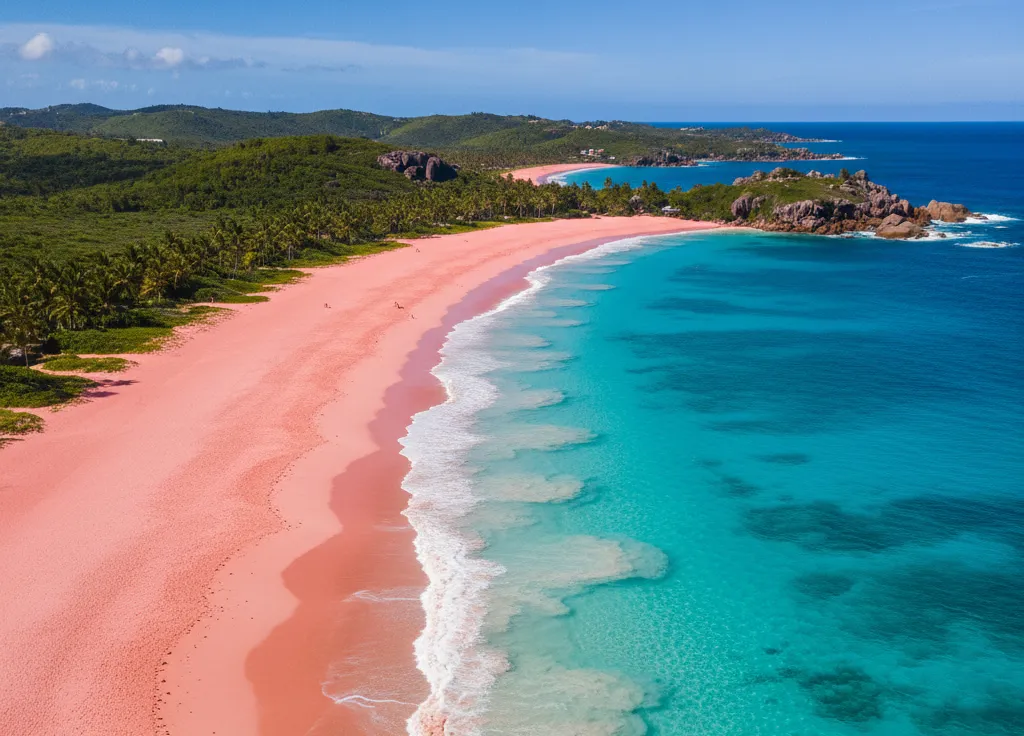
- Location overview: Horseshoe Bay is a crescent-shaped beach on the South Shore of Bermuda, framed by eroded limestone formations and backed by low dunes.
- Why this pink beach appears pink: Homotrema rubrum foram tests from the surrounding reef system contribute pink and crimson pigment to the white carbonate sand, the same mechanism responsible for the Bahamas pink sand beaches.
- Pink intensity level: High. Color is consistent and visible under most conditions, including midday.
- Best time to visit: May through October, when temperatures are warm enough for swimming.
- Conservation status: Well-maintained public beach with no specific protected designation. The offshore reef continues to supply foram material, sustaining the color despite high visitor volumes.
- What makes this pink beach unique: Horseshoe Bay is the most accessible example of foram-driven pink sand in the Atlantic. Bermuda’s combination of British colonial history, exceptional infrastructure, and consistently pink beaches makes it one of the most reliable destinations for first-time pink beach travelers.
7. Pink Sand Beach – Barbuda
- Location overview: Barbuda is the less-visited sister island of Antigua, with pink-tinted beaches along its western and northern coasts near the central lagoon.
- Why this pink beach appears pink: Fine-grained foram material and crushed shell from the shallow carbonate reef platform accumulate in low-energy coastal environments around the island’s lagoon margins.
- Pink intensity level: Low to Moderate. The tint is gentle and subdued, most visible in tidal zones and at golden hour.
- Best time to visit: December through April. The island remains in partial recovery following Hurricane Irma in 2017, and travelers should verify current conditions before planning a visit.
- Conservation status: The island’s reef and lagoon system supports nesting frigatebirds and is partially protected, though enforcement capacity is limited.
- What makes this pink beach unique: Barbuda offers the pink sand beach experience with virtually no crowds and minimal development. For travelers prioritizing solitude and ecological authenticity over vivid color intensity, it remains one of the Caribbean’s most compelling propositions.
8. Bonaire Pink Beach – Caribbean Netherlands
- Location overview: Pink Beach is located on the southwestern coast of Bonaire, adjacent to the island’s salt production facility, where brine ponds attract flamingos and create a surreal visual context.
- Why this pink beach appears pink: Pink and red shell fragments, foram tests, and coral material from one of the Caribbean’s best-preserved reef systems contribute to the sand coloration.
- Pink intensity level: Moderate. The color is consistent in wet sand zones and is enhanced by the warm light that characterizes Bonaire’s low-humidity atmosphere.
- Best time to visit: February through August, during the dry season.
- Conservation status: Bonaire’s reef was designated a marine park in 1979, one of the Caribbean’s earliest protected reef designations. The resulting reef health directly benefits the beach’s ongoing coloration.
- What makes this pink beach unique: The combination of a pink beach with flamingos wading in pink brine ponds and salt pyramids on the horizon is not replicated anywhere else in the Caribbean. Bonaire is also one of the world’s premier shore-diving destinations, and snorkeling directly from Pink Beach provides immediate access to the reef.
9. Balos Lagoon – Crete, Greece
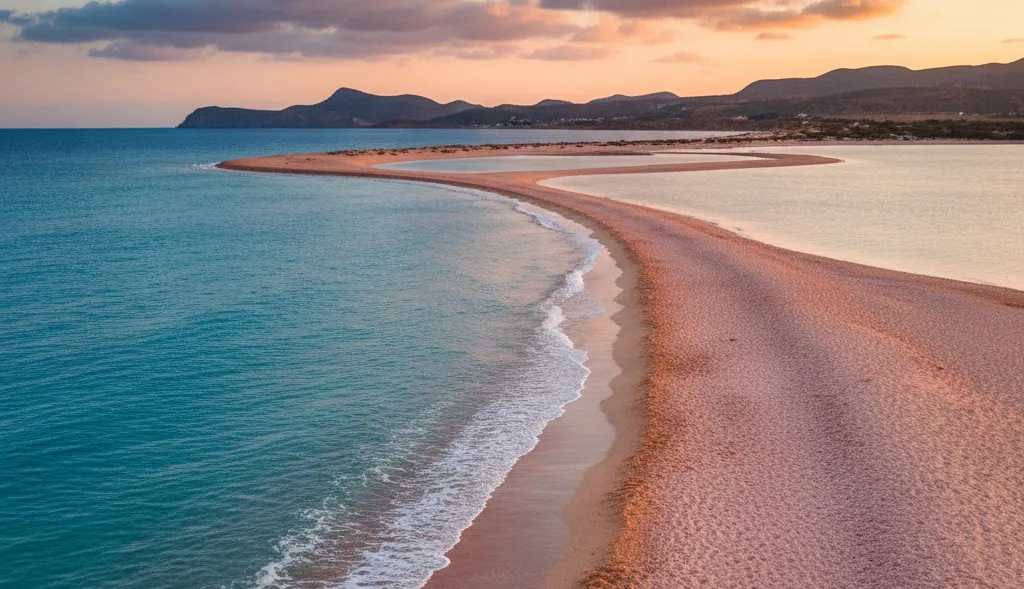
- Location overview: Balos is a tidal lagoon at the northwestern tip of the Gramvousa peninsula in Crete, accessible by ferry from Kissamos or via a steep walking path from a clifftop parking area.
- Why this pink beach appears pink: Very fine carbonate sediment, including crushed shell material and the calcareous remains of lagoon-dwelling organisms, accumulates in the enclosed tidal environment. The pink tint is extremely subtle and interacts with the milky turquoise water to create the beach’s characteristic visual identity.
- Pink intensity level: Low. The color registers more as blush or pale rose than pink, and its most visible expression is the warm tone it imparts to the shallow water over the sand.
- Best time to visit: May, June, or September. July and August bring ferry arrivals carrying hundreds of visitors per day, overwhelming the lagoon environment.
- Conservation status: The site receives high visitor pressure with limited regulatory enforcement. The lagoon’s enclosed geometry makes it vulnerable to sediment disturbance and microplastic accumulation.
- What makes this pink beach unique: Balos is among the most photogenic coastal environments in Europe regardless of the pink element. The lagoon geometry, the dramatic cliffs of Gramvousa, and the quality of the turquoise water create a composition that has made it a reference image for Greek travel worldwide.
10. Playa de Ses Illetes – Formentera, Spain
- Location overview: Ses Illetes occupies the narrow northern tip of the Trucadors peninsula on Formentera, the smallest and least developed of the Balearic Islands.
- Why this pink beach appears pink: Finely crushed shell material and calcium carbonate from the protected Posidonia oceanica seagrass meadows offshore contribute a pale rosy blush to the exceptionally fine-grained sand.
- Pink intensity level: Low. The color is subtle and primarily registers as a warm cream-pink rather than a saturated rose.
- Best time to visit: May or early June. The peninsula becomes severely congested in July and August.
- Conservation status: The surrounding marine area is protected under Posidonia conservation regulations that prohibit anchoring. The seagrass meadows are among the oldest living organisms in the Mediterranean and sustain the water clarity that defines the beach’s visual character.
- What makes this pink beach unique: Ses Illetes is widely cited as one of Europe’s most beautiful beaches, and the pink element here is secondary to the extraordinary clarity of the water, the slender peninsula geometry, and the sense of proximity to the adjacent island of Ibiza visible on the horizon.
Which Pink Beach Is the Pinkest?
Globally, the deepest and most consistently visible pink sand coloration comes from Pink Sands Beach in the Bahamas and Horseshoe Bay in Bermuda due to very high concentrations of Homotrema rubrum foram tests. These beaches retain visible pink tones in most daylight conditions and rank at the top for overall pink intensity.
In Southeast Asia, the most clearly pink beach is Pink Beach in Komodo National Park, Indonesia (locally known as Pantai Merah). Its coloration is driven by a mix of crushed red coral fragments and minuscule foram material that blends with white carbonate sand to create a distinctive rose tint, particularly under morning and late afternoon light. While Komodo’s pink does not reach the deeper saturation of its Caribbean counterparts, it remains the most vivid and well-documented pink beach in all of Asia and one of only a handful of genuinely pink beaches in the world.
Adjacent to Komodo’s pink shoreline, the water clarity and abundant marine life enhance the visual experience, reinforcing its status as a top pink beach destination. Pantai Tangsi in Lombok also features naturally pink sand, though its coloration is generally subtler and more dependent on lighting conditions.
Pink Beach Color Intensity Comparison Table
| Beach | Country | Color Source | Intensity Tier | Best Light Condition |
|---|---|---|---|---|
| Pink Sands Beach | Bahamas | Homotrema rubrum forams | High | Any daylight |
| Horseshoe Bay Beach | Bermuda | Homotrema rubrum forams | High | Any daylight |
| Pink Beach, Komodo | Indonesia | Red coral fragments | Moderate-High | Morning / Evening |
| Bonaire Pink Beach | Caribbean Netherlands | Foram + coral mix | Moderate | Morning / Evening |
| Great Santa Cruz Island | Philippines | Red coral fragments | Moderate | Morning / Wet sand |
| Elafonissi Beach | Greece | Shell + foram mix | Low-Moderate | Sunset / Wet sand |
| Pantai Tangsi | Indonesia | Coral fragments | Low-Moderate | Sunrise / Wet sand |
| Pink Sand Beach, Barbuda | Antigua and Barbuda | Foram + shell mix | Low-Moderate | Golden hour |
| Balos Lagoon | Greece | Fine shell carbonate | Low | Sunset |
| Playa de Ses Illetes | Spain | Seagrass carbonate | Low | Sunset |
The two beaches that stand apart on a purely color-intensity basis are Pink Sands Beach in the Bahamas and Horseshoe Bay in Bermuda. Both are Homotrema rubrum foram beaches, and the deep crimson pigment of this species produces a more saturated result than the coral fragments responsible for other locations. Both beaches retain visible pink coloration throughout the day and across a range of weather conditions.
The pink beach in Indonesia at Komodo sits in a credible second tier. Its color is clearly distinguishable and visually distinctive, but the coral-fragment mechanism produces a coarser-grained and slightly less uniform result than foram accumulation. The beach is smaller and the coloration more localized, but the surrounding environment makes it arguably the most memorable pink beach experience in the world from a holistic standpoint.
Mediterranean examples in Greece and Spain occupy the lower intensity tiers. Their pink coloration is real but subtle, often functioning more as a warm undertone than a visible hue. Travelers visiting purely for intense color may find these beaches underwhelming against expectations set by Caribbean imagery.
Are Pink Beaches Rare or Overrated?
The honest answer is: both, depending on the specific destination and the traveler’s expectations.
The case that they are genuinely rare
From an ecological and geological standpoint, pink beaches are uncommon. The chain of conditions required to produce visible pink sand, the right reef organisms, the right wave energy, the right bay geometry, and an ongoing biological supply, is specific enough that most coastlines never develop the color regardless of proximity to reefs. Fewer than one hundred beaches worldwide show consistent, clearly visible pink coloration under normal daylight conditions. In that sense, any genuine pink beach is a legitimate natural rarity.
The case that expectations are frequently mismanaged
The photography associated with pink beaches almost universally depicts golden-hour or sunrise conditions, wet sand, and saturated color grading. The result is a public expectation of intensely pink sand that corresponds only to the best moments at the best beaches under optimal conditions. Travelers arriving at Elafonissi or Balos in midday July sun, surrounded by thousands of other visitors, frequently report disappointment. The sand looks beige or cream rather than pink. They are not wrong. The color is subtle, and midday is the worst time to perceive it.
Managing expectations constructively
The key insight is that pink beach intensity is on a spectrum. Visitors to the Bahamas or Bermuda will see clearly pink sand under most conditions and are unlikely to be disappointed. Visitors to Crete or Formentera are visiting beaches that happen to have a pink undertone, but whose appeal rests on other qualities such as water color, bay geometry, and setting rather than sand hue. Both categories offer legitimate travel value, but they should be understood on their own terms.
Visiting any pink beach at sunrise or in the late afternoon, staying alert to wet sand near the waterline, and choosing sheltered sections of the beach where fine pigmented material concentrates will produce a better visual result at any location on the list.
Final Verdict
Pink beaches represent one of the ocean’s most visually striking gifts, and their rarity is not incidental. It is the direct consequence of the narrow ecological conditions required to produce them. Every pink beach on this list is sustained by a living reef system, whether a Caribbean carbonate platform rich in Homotrema rubrum, an Indonesian coral triangle reef, or a Mediterranean seagrass meadow. When those ecosystems degrade, the color fades. There is no geological fallback that sustains it.
The global distribution of pink beaches across the Caribbean, Mediterranean, Southeast Asia, and the Atlantic islands reflects the diversity of marine environments that can align to produce the phenomenon under the right conditions. The pink sand beach Bahamas experience differs fundamentally from the pink beach Indonesia experience, which in turn differs from pink beach Greece. Each is a product of its specific marine ecology, geography, and light environment.
For travelers, this range means the experience of standing on genuinely pink sand is achievable across multiple continents and in widely varying cultural and ecological contexts. For scientists and conservationists, these beaches function as visible indicators of reef health: a beach that grows pinker over time signals a reef that is thriving; one that grows paler is issuing a measurable warning. In an era of widespread reef degradation, that signal is worth attending to, both as a matter of ecological concern and as a practical argument for the preservation of what makes these places extraordinary.
The world’s pink beaches are not merely scenic curiosities. They are the accumulated evidence of ecosystems functioning at their best.
Frequently Asked Questions About Pink Beaches
What is a pink beach?
A pink beach is a coastal environment where the sand contains sufficient concentrations of pink or red-pigmented biological material, primarily the shells of foraminifera or fragments of pink coral, to give the sand a visible blush, rose, or coral hue. The color is entirely natural and results from centuries of biological accumulation.
Where is the most famous pink beach in the world?
Pink Sands Beach on Harbour Island in the Bahamas is the most internationally recognized pink sand beach. Its combination of consistent deep-pink coloration over a five-kilometer stretch, accessible island setting, and long-standing reputation in travel media makes it the primary reference destination for the phenomenon worldwide.
Why is Pink Sands Beach in the Bahamas so pink?
The sand at Pink Sands Beach contains a high concentration of tests, or shells, from the foram species Homotrema rubrum, which produces a deep crimson-red calcium carbonate shell. The coral reefs offshore maintain dense populations of this organism, and wave action continuously delivers fresh shell material to the beach, sustaining the color over time.
Is the pink beach in Indonesia natural?
Yes. The pink coloration of Pantai Merah in Komodo Island and Pantai Tangsi in Lombok is entirely natural. Both beaches receive their color from red and pink coral fragments sourced from the adjacent reef systems. No artificial enhancement is involved. The same biological and wave-energy processes that create pink beaches in the Bahamas operate at these locations, though the contributing organism differs.
How do you get to the pink beach near Labuan Bajo?
The pink beach near Labuan Bajo, at Komodo National Park, is accessible only by boat. Labuan Bajo on Flores island is the departure point for all Komodo park visits. The town has an airport with regular flights from Bali, Lombok, and Jakarta. Day trips to the pink beach typically take 45 to 90 minutes by boat depending on the vessel and departure point.
Which country has the most pink sand beaches?
No definitive global count exists, but the Caribbean basin as a whole, including the Bahamas, Bermuda, Barbuda, and Bonaire, has the highest concentration of consistently pink beaches. Greece has multiple pink-tinted beaches in Crete and other Aegean islands. Indonesia has the highest concentration in Southeast Asia.
Are pink beaches disappearing?
The color of pink beaches is directly tied to the health of the reef systems that supply the biological material. Ocean warming, acidification, and physical reef degradation reduce foram and coral populations, which in turn reduces the supply of pigment material to beaches. Several well-known pink beaches have reportedly become paler over recent decades. The phenomenon is ecologically fragile in a way that white and golden beaches, supplied by terrestrial erosion, are not.
When is the best time to see pink beach color at its most vivid?
Regardless of the specific destination, pink beach color is most vivid at sunrise and in the hour before sunset, when low sun angles enrich warm-spectrum light. Wet sand near the waterline shows deeper color than dry sand. Overcast diffuse light can also enhance color perception by removing the bleaching effect of direct overhead sun. Visiting during the recommended dry season for each region ensures the best combination of access, weather, and color conditions.
Is There a Pink Beach in Samar?
There is no major internationally recognized pink sand beach located directly on Samar Island. However, Great Santa Cruz Island near Zamboanga in Mindanao, Philippines, is often mistakenly associated with Samar due to geographic confusion. The pink coloration there is caused by crushed red organ pipe coral fragments mixed into white carbonate sand. It remains the most well-documented pink beach destination in the southern Philippines.