If you seek one of Indonesia’s most rewarding sunrise experiences, the Padar Island sunrise hike in Komodo National Park delivers a landscape so dramatic it defies casual description.
Located between Komodo Island and Rinca Island at coordinates approximately 8.6539° S, 119.5683° E, this 650-meter summit climb rewards early risers with views across three distinct bays, each featuring differently colored sand beaches that showcase the unique geological diversity of the Lesser Sunda Islands
Table of Contents
Why Padar Island Sunrise Is a Must-Do Experience
Before diving into logistics, it helps to understand why Padar consistently ranks as the most iconic viewpoint in Komodo.
Key Reasons Travelers Prioritize Padar Sunrise
- Three-bay viewpoint with contrasting sand colors in one frame
- Elevated ridge offering unobstructed sunrise exposure
- No large wildlife presence, making it safer for early hikes
- Short distance with high visual payoff
- Ideal stop within multi-island sailing routes operated by phinisitrip.com
Unlike viewpoints that rely purely on altitude, Padar’s power lies in geological symmetry and light interaction.
Getting to Padar Island: Gateway Through Labuan Bajo
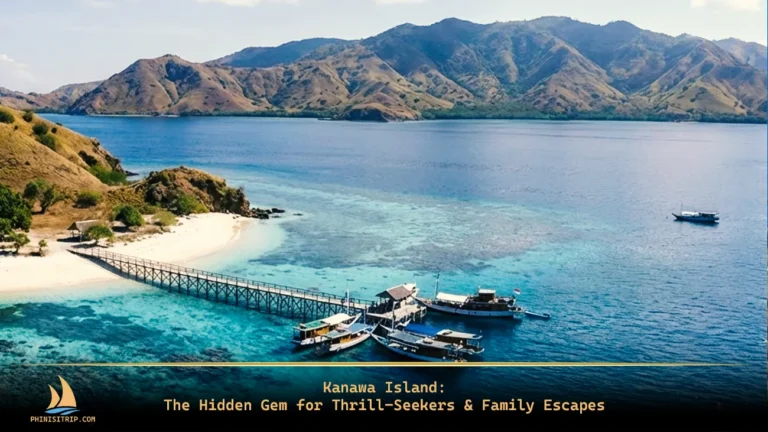
Most itineraries visiting Padar Island are designed as part of a broader Komodo National Park route. These routes typically connect Padar with Rinca Island, Pink Beach, and marine hotspots such as Manta Point, creating a balanced mix of hiking, wildlife encounters, and underwater exploration within a single journey.
| Aspect | Key Information |
|---|---|
| Location | Padar Island, Komodo National Park |
| Starting Point | Eastern beach anchorage (dinghy landing) |
| Trail Distance | ±1.5 km (round trip ±3 km) |
| Elevation Gain | ±340 meters |
| Average Hiking Time | 45–60 minutes up, 30–45 minutes down |
| Difficulty Level | Moderate to moderately challenging |
| Best Start Time | 04:30 AM (sunrise ±05:45–06:00 AM) |
| Terrain Type | Savanna grassland, volcanic rock, limestone |
| Shade Availability | None (fully exposed) |
| Safety Notes | Steep gradients, loose gravel, strong wind at summit |
| Ideal Season | April–October (dry season) |
| Photography Window | Blue hour to golden hour (±30–40 minutes) |
Padar Island lies within the Komodo National Park UNESCO World Heritage Site, accessible exclusively by boat from Labuan Bajo, the primary gateway town on western Flores Island. The journey from Labuan Bajo to Padar typically takes between two to three hours by speedboat, or four to five hours aboard traditional wooden phinisi boats, depending on sea conditions in the Sape Strait.
Most visitors arrive via daily flights to Komodo Airport (Bandar Udara Komodo) in Labuan Bajo, with connections from Bali’s Ngurah Rai International Airport taking approximately one hour and fifteen minutes. The boat departure point is from Labuan Bajo’s harbor, where numerous tour operators offer both day trips and multi-day liveaboard experiences that combine Padar with other iconic destinations including Komodo Island (home to Varanus komodoensis, the Komodo dragon), Rinca Island, and Pink Beach (Pantai Merah).
When selecting your tour operator, consider that the wet season from November through March brings rougher seas and occasional rain, though fewer crowds. The dry season from April through October offers calmer waters and clearer visibility, making it the preferred period for both hiking and underwater activities.
Preparing for the Sunrise Hike: Essential Considerations

The Padar Island sunrise hike demands thoughtful preparation despite its relatively short 1.5-kilometer distance. The trail ascends approximately 340 meters in elevation gain across its length, creating an average gradient of roughly twenty-three percent, with certain sections approaching thirty-five percent incline. This steep pitch means that even experienced hikers should allocate forty-five minutes to one hour for the ascent, while those less accustomed to elevation gain may require ninety minutes.
Your essential gear should include a minimum of one liter of water per person, as the exposed hillside offers no shade and dehydration occurs rapidly even in pre-dawn hours. Footwear with aggressive tread patterns proves crucial on the loose volcanic rock and compacted earth sections, particularly during descent when stability becomes more challenging. While many hikers attempt the trail in sandals or casual shoes, proper hiking footwear significantly reduces injury risk on the uneven terrain.
Given that pre-dawn temperatures at sea level typically range from 22 to 24 degrees Celsius but can feel cooler with ocean breezes, a lightweight windbreaker layer provides comfort during the initial ascent. However, temperatures rise quickly once the sun emerges, so breathable, moisture-wicking clothing underneath prevents overheating. Sun protection becomes critical after sunrise, as the exposed summit offers zero shade, with UV index values often reaching extreme levels between 8:00 and 10:00 AM.
A reliable headlamp with fresh batteries is non-negotiable for the pre-dawn start, as the trail features no artificial lighting and navigating the rocky path by moonlight alone presents unnecessary risk. Bring your camera equipment, but understand that handheld photography in low light conditions requires either fast lenses, higher ISO capabilities, or a compact tripod for optimal sunrise captures.
Understanding the Route
| Metric | Detail |
|---|---|
| Total distance | ±1.5 km |
| Elevation gain | ±340 meters |
| Average gradient | ~23% |
| Steepest sections | Up to 35% |
| Average ascent time | 45–75 minutes |
The trailhead begins directly from the small beach where boats anchor on Padar’s eastern shore. Unlike many established mountain trails, the Padar route lacks continuous handrails or safety barriers, though the national park has installed periodic wooden steps and stone markers to indicate the primary path. The trail splits at several junctions, with the rightmost branches generally leading to the main viewpoint that overlooks all three bays, while left branches access alternative viewpoints offering different compositional angles.
The terrain consists predominantly of dry savanna grassland interspersed with exposed limestone and volcanic rock formations. During the wet season, sections of the trail can become slippery due to rain-dampened soil, while the dry season transforms the same areas into dusty, loose surfaces requiring careful foot placement. The trail’s steepest section occurs approximately halfway through the climb, where hikers often pause at a natural plateau that provides the first comprehensive views back toward the anchorage.
Navigation remains straightforward in daylight, as the worn path is clearly visible against the surrounding vegetation. However, in pre-dawn darkness, staying on the main trail requires attention to the rock cairns and wooden posts that mark the route. Tour guides familiar with the terrain navigate these conditions effortlessly, which explains why many visitors prefer guided sunrise expeditions rather than independent ascents.
Early Morning Adventure: The Pre-Dawn Departure

To witness the sunrise from Padar’s summit, most liveaboard tours anchor off Padar around 3:30 AM, allowing passengers to board dinghies by 4:00 AM and begin hiking by 4:30 AM. This timeline accounts for the forty-five to sixty-minute climb plus thirty minutes of buffer time to secure optimal viewing positions before first light appears around 5:45 to 6:00 AM, depending on the time of year.
The pre-dawn atmosphere carries a particular quality that seasoned travelers find magical. The ocean reflects starlight when cloud cover permits, while the silhouettes of surrounding islands gradually emerge as your eyes adjust to the darkness. The headlamp beams of other hikers create a procession of moving lights up the hillside, reminiscent of a pilgrimage trail. Despite the early hour, the shared experience creates camaraderie among strangers, united by the common goal of reaching the summit before sunrise.
Physical exertion in the cool pre-dawn air feels surprisingly pleasant compared to daytime hiking in tropical heat. Your breathing creates visible clouds of condensation, and the lack of visual distractions allows you to focus on the rhythmic movement of climbing. Many hikers report entering a meditative state during this ascent, where the repetitive motion and darkness combine to create an almost hypnotic experience.
The Climb to the Top: Stage-by-Stage Progression
The initial trail section rises gradually through low scrub vegetation, allowing your leg muscles to warm up before the steeper sections ahead. After approximately ten minutes of hiking, the path begins its earnest ascent, with the gradient increasing noticeably. This first steep section continues for roughly fifteen to twenty minutes, during which many hikers establish their rest rhythm, pausing every three to five minutes to regulate breathing and heart rate.
Around the midpoint, a relatively flat area provides the first major rest opportunity. Here, if you turn back toward the anchorage, you can see your boat’s lights below and the outline of neighboring islands against the pre-dawn sky. This platform serves as a useful checkpoint to assess your pace and remaining time before sunrise.
Beyond the midpoint plateau, the trail becomes rockier and more exposed, with less vegetation to provide handholds. The final approach to the summit involves navigating around large boulders and choosing between several use-trails that converge near the top. The rightmost path typically leads to the iconic viewpoint featured in most Padar photographs, while other paths access alternative vantage points.
During the final ascent, the eastern horizon begins to show the first subtle color changes, shifting from deep blue to lighter blue-gray. This gradual transition signals that sunrise approaches, adding urgency to your remaining climb. The temperature also begins its upward trend as dawn approaches, making the timing of removing your windbreaker layer a tactical decision.
Flora and Fauna on the Trail: Ecological Context
Padar Island’s ecosystem represents a transitional zone between the lush tropical forests of western Indonesia and the drier savanna landscapes of eastern Nusa Tenggara. The predominant vegetation consists of lontar palms (Borassus flabellifer), various acacia species, and drought-resistant grasses that turn golden brown during the dry season, creating the dramatic color contrast visible in most Padar photographs.
Unlike neighboring Komodo and Rinca islands, Padar no longer hosts a resident Komodo dragon population. The last confirmed sightings occurred in the 1970s, with the local population declining due to poaching of their primary prey species, Timor deer (Rusa timorensis). However, the island remains home to diverse birdlife, including white-bellied sea eagles (Haliaeetus leucogaster), orange-footed scrubfowl (Megapodius reinwardt), and various species of kingfishers and sunbirds.
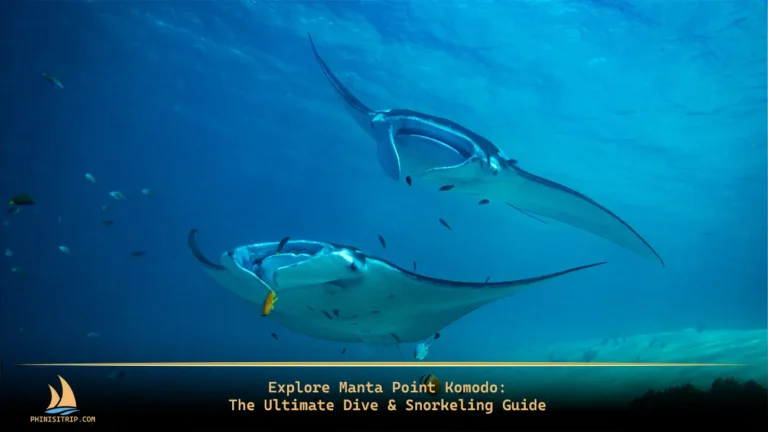
The surrounding waters support remarkable marine biodiversity, with manta rays (Manta birostris and Manta alfredi) commonly observed at nearby cleaning stations, and green sea turtles (Chelonia mydas) frequently spotted in the shallows. The coral reef systems around Padar’s bays demonstrate relatively healthy coral cover compared to degraded reefs elsewhere in Southeast Asia, thanks to the protected status within Komodo National Park.
The absence of freshwater sources on Padar limits terrestrial wildlife, though small lizards, insects, and occasional wild boars traverse the island. The ecological simplicity actually enhances the hiking experience, as you can focus entirely on the landscape and seascape rather than watching for potentially dangerous wildlife.
Reaching the Summit: The Moment of Arrival
As you crest the final rise and the full panorama reveals itself, the immediate reaction is almost always one of stunned silence. The summit viewpoint sits atop a narrow ridge, with dramatic drop-offs on multiple sides creating an exposed, airy feeling that amplifies the sense of achievement. From this vantage point at approximately 340 meters above sea level, you can see across Komodo National Park’s island archipelago, with Komodo Island visible to the west and Rinca Island to the east.
The famous view encompasses three bays in immediate proximity, each separated by narrow peninsulas that create the distinctive sawtooth coastline. During the pre-sunrise period, these bays appear as dark crescents against the lighter ocean, but as light increases, the different sand colors become progressively visible. The bay to the north displays pinkish sand created by crushed red coral mixed with white sand, while the eastern bay features black volcanic sand, and the western bay shows classic white sand from pulverized coral and shell fragments.
The summit area can accommodate perhaps fifty to seventy people comfortably, though popular tours during peak season may result in crowding. Arriving fifteen to twenty minutes before sunrise allows you to select your preferred position and composition angle without jockeying for space. The ridge extends along several potential viewpoints, so even if the main platform feels crowded, alternative positions just a few meters away offer equally spectacular views with different compositional elements.
The Famous Three Bays: Geological and Geographical Significance
The three bays of Padar Island represent a geological convergence that creates their distinctive character. The differing sand colors result from varying source materials shaped by local ocean currents, wave action, and the surrounding geological formations. The pink bay derives its unique coloration from Foraminifera, microscopic organisms with red shells that accumulate along with coral fragments, creating the pink tint visible especially when wet or during golden hour lighting.
The black sand bay originates from volcanic activity, with basaltic minerals eroded from ancient lava flows and deposited by wave action. This darker sand absorbs more heat, making it noticeably warmer to walk on compared to the white and pink beaches. The contrast in temperature relates to the albedo effect, where darker surfaces absorb more solar radiation while lighter surfaces reflect it.
The white sand bay features the classic composition of crushed coral, shell fragments, and limestone particles that characterize many Indonesian beaches. This bay typically displays the brightest turquoise water colors, as the light-colored sand reflects more sunlight up through the water column, creating the vibrant cyan and aquamarine hues that appear almost artificial in photographs.
From the summit, the geometric relationship between these three bays creates the distinctive “trident” or “peace sign” shape that makes Padar instantly recognizable. This configuration results from the island’s underlying geological structure, where harder volcanic rock formations resisted erosion while softer materials eroded away, creating the deep bays separated by resistant peninsulas.
Capturing the Perfect Sunrise: Photography Considerations
The optimal sunrise photography window at Padar spans approximately thirty to forty minutes, beginning with the pre-dawn blue hour around 5:30 AM and extending through the golden hour until roughly 6:30 AM. During blue hour, the soft, diffused light creates even illumination across the landscape without harsh shadows, ideal for capturing the full dynamic range from the darkest foreground elements to the brightening sky.
As sunrise approaches, the eastern horizon develops warm tones from deep orange to bright yellow, while the western sky remains cooler with blue and purple hues. This color gradient creates photographic opportunities for both directions, with the classic view toward the three bays illuminated by the warm reflected light of sunrise, while the opposite view captures the dramatic sky colors directly.
For optimal exposure, consider bracketing your shots to capture multiple exposures of the same composition, which allows for high dynamic range (HDR) processing later. The extreme contrast between the bright sky and darker landscape elements often exceeds what a single exposure can capture, making bracketing or graduated neutral density filters valuable tools. If shooting with a smartphone, enable HDR mode and use the exposure compensation slider to prevent blown highlights in the sky.
Compositional elements to consider include incorporating the ridge’s foreground rocks and vegetation as leading lines or framing elements, positioning hikers as scale references to emphasize the landscape’s grandeur, and shooting from various points along the ridge to vary your portfolio. The most iconic angle positions the three bays in a diagonal composition from lower left to upper right, but alternative angles can yield equally compelling images with different visual flow.
Wind can be significant at the exposed summit, making tripod stability crucial. If wind prevents long exposures, increase your ISO setting rather than accepting blurred images from camera shake. The rapidly changing light conditions mean that manual exposure settings require frequent adjustment, or alternatively, use aperture priority mode with exposure compensation to maintain control while adapting to changing light.
Why the Sunrise at Padar Island is Unmatched
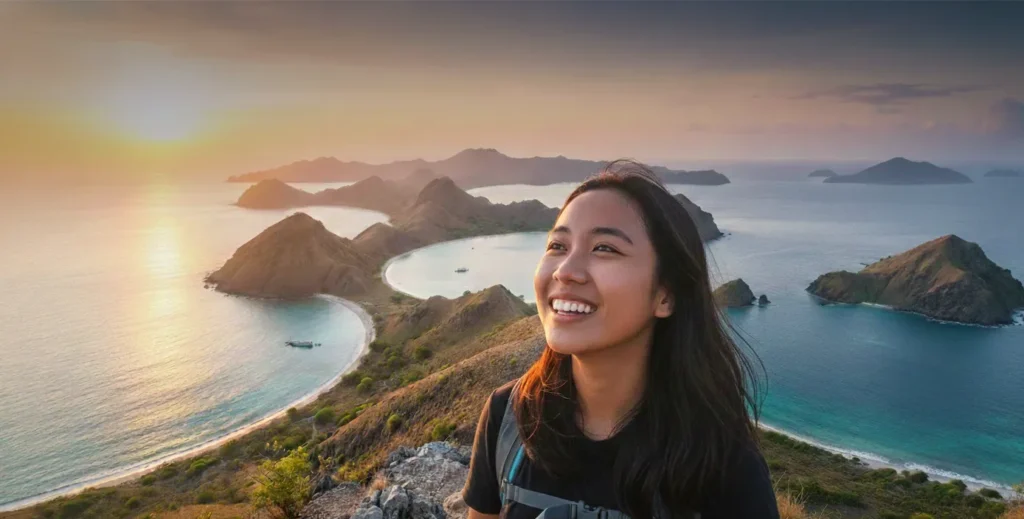
The Padar sunrise experience distinguishes itself through the convergence of multiple exceptional elements rarely found together. The dramatic topographical relief creates three-dimensional depth that transforms as lighting angles change, with each minute of sunrise revealing different textures, shadows, and color relationships. The surrounding seascape adds movement and color variation, with tidal patterns, current lines, and boat positions changing the composition continuously.
The isolation and pristine condition of Komodo National Park means minimal light pollution, allowing the sunrise colors to develop without competing artificial light. The dry season atmosphere provides exceptional clarity, often allowing visibility extending forty to sixty kilometers across the archipelago, while the wet season can create dramatic cloud formations that add texture to sky compositions.
The combination of physical challenge, temporal specificity, and environmental beauty creates what psychologists call “peak experiences,” moments of profound significance that participants remember as life highlights. The shared experience among fellow hikers, the accomplishment of completing the climb, and the objective beauty of the location combine to create strong positive associations that extend beyond the visual impact alone.
Additionally, the sunrise timing creates a natural rhythm to the experience. Unlike viewpoints accessible by vehicle where visitors arrive and depart randomly, the sunrise imposes a shared timeline that creates collective energy. Everyone arrives within the same thirty-minute window, experiences the same light progression, and then descends together, creating temporary community among strangers.
Post-Hike Activities: Extending Your Padar Experience
Following the sunrise and descent, typically completed by 7:30 to 8:00 AM, most tour itineraries include beach time on one of Padar’s bays. The pink beach (though the pink coloration is subtle and most visible when the sand is wet) offers excellent snorkeling with relatively healthy coral gardens and diverse fish populations including parrotfish, angelfish, and occasional reef sharks.
The calm morning waters provide ideal conditions for swimming and snorkeling before wind speeds increase in the afternoon. Water temperatures typically range from 26 to 28 degrees Celsius, comfortable enough for extended water time without thermal protection, though some visitors prefer rash guards for sun protection rather than warmth.
Multi-day tours often proceed from Padar to other Komodo National Park highlights, including Komodo Island’s ranger stations where guided walks provide opportunities to observe Komodo dragons in their natural habitat. These dragons, Earth’s largest living lizards, can exceed three meters in length and demonstrate fascinating predatory behaviors, ambush hunting tactics, and social hierarchies.
Pink Beach, located on Komodo Island’s northern shore, represents another popular post-Padar destination, offering some of the park’s best snorkeling conditions with strong tidal currents bringing nutrient-rich water that supports abundant marine life. The underwater visibility frequently exceeds twenty meters, and the biodiversity includes occasional manta ray sightings and various species of sea turtles.
For diving enthusiasts, the Komodo National Park area ranks among the world’s premier dive destinations, with sites like Batu Bolong, Castle Rock, and Manta Point offering encounters with pelagic species, pristine coral formations, and occasionally challenging currents that attract experienced divers seeking thrilling underwater experiences.
Sustainable Tourism and Environmental Awareness
Komodo National Park, designated as both a UNESCO World Heritage Site (1991) and a UNESCO Man and Biosphere Reserve, operates under strict conservation protocols designed to protect its unique ecosystems while permitting sustainable tourism. The park administration, managed by the Indonesian Ministry of Environment and Forestry in collaboration with The Nature Conservancy, implements various measures including visitor quotas, designated trekking routes, and mandatory guide requirements for certain areas.
When visiting Padar Island, adhering to Leave No Trace principles proves essential for preserving the landscape. This means packing out all waste including organic materials like fruit peels (which are not native to the ecosystem), staying on established trails to prevent erosion and habitat degradation, and avoiding any disturbance to wildlife, nests, or vegetation.
The entrance fee structure for Komodo National Park (approximately 250,000 to 400,000 Indonesian Rupiah depending on tour package, subject to change) directly funds conservation efforts, ranger patrols, research programs, and community development initiatives in nearby fishing villages. Understanding that these fees support vital conservation work helps contextualize the costs as investment in ecosystem protection rather than simple tourist taxation.
Recent conservation challenges include coral bleaching events affecting reef systems due to rising ocean temperatures, illegal fishing activities particularly targeting valuable species like Napoleon wrasse and shark fins, and the complex balance between tourism revenue and environmental carrying capacity. The park administration periodically adjusts policies based on environmental monitoring data, including temporary closures of specific sites showing stress indicators.
As a responsible visitor, you can contribute to conservation by choosing tour operators who demonstrate environmental commitment through practices like proper waste management, respect for wildlife viewing distances, and support for local communities. Operators who are members of organizations like the Komodo Diving Association or certified through sustainable tourism programs generally adhere to higher environmental standards.
Conclusion
The Padar Island sunrise hike represents far more than a simple viewpoint visit. It embodies the intersection of physical challenge, natural beauty, and conservation awareness that defines meaningful travel experiences. The three-bay panorama, the pre-dawn ascent under starlight, and the gradual revelation of colors as sunrise illuminates the landscape create memories that transcend typical tourist experiences.
Whether you approach this hike as a photographer seeking the perfect shot, an adventurer collecting peak experiences, or a nature enthusiast appreciating protected ecosystems, Padar delivers on multiple levels. The relatively short distance and moderate technical difficulty make it accessible to most visitors with basic fitness levels, while the dramatic scenery and unique geological features provide rewards that feel far greater than the effort required.
As tourism to Indonesia continues to grow, experiencing Padar Island within a thoughtfully planned komodo island tour allows travelers to enjoy this iconic viewpoint without rushing or unnecessary environmental pressure. For those seeking a deeper exploration of Komodo National Park, extended sailing routes such as a komodo boat trip 4 days offer the flexibility to combine Padar with wildlife encounters, snorkeling sites, and quieter islands, creating a more balanced and immersive journey. Approached this way, Padar Island is not just a sunrise destination, but a meaningful part of a well-curated Komodo experience.
How difficult is the hike up Padar Island?
The Padar Island hike rates as moderately challenging due to its steep gradient averaging twenty-three percent over 1.5 kilometers, with sections approaching thirty-five percent incline. While the trail requires no technical climbing skills or specialized equipment, the elevation gain of approximately 340 meters in a short distance demands cardiovascular fitness and leg strength. Most hikers with regular exercise routines complete the ascent in forty-five to sixty minutes, while those less conditioned may require up to ninety minutes with frequent rest breaks. The descent, typically faster at thirty to forty-five minutes, actually poses greater risk for slips and falls due to loose rock and steep sections, making proper footwear particularly important.
Can I hike Padar Island without a guide?
Current Komodo National Park regulations do not require mandatory guides specifically for Padar Island, unlike Komodo Island and Rinca Island where guides are compulsory for safety reasons related to Komodo dragon encounters. However, the overwhelming majority of visitors access Padar as part of organized tours that include guides, boat transportation, and multi-destination itineraries. Independent hikers arriving on private charters can legally hike without guides, but should consider that the lack of trail markers, the pre-dawn timing, and the absence of emergency services on the island create risks that experienced guides mitigate through knowledge of the terrain, weather patterns, and emergency protocols.
What’s the best time of year to visit?
The optimal period for visiting Padar Island extends from April through October during the dry season, when calm seas ensure reliable boat access, minimal rain reduces trail slippage risk, and clear skies maximize sunrise visibility. Peak season occurs from July through September when European and North American summer vacations coincide with ideal weather conditions, resulting in crowded viewpoints but excellent photographic conditions. The shoulder seasons of April-May and October-November offer favorable compromises with good weather, fewer visitors, and often lower tour prices. The wet season from November through March brings occasional rain squalls, rougher seas that can cancel boat trips, and higher humidity, though the advantage includes dramatically fewer tourists and lower accommodation costs in Labuan Bajo.
How long does the entire hike take?
The complete hiking experience from boat departure to return typically spans two and a half to three hours. This includes approximately fifteen to twenty minutes for dinghy transportation from larger boats to shore, forty-five to sixty minutes for the ascent, thirty to forty-five minutes at the summit watching sunrise and photographing, thirty to forty-five minutes for the descent, and fifteen to twenty minutes returning to the main boat. Tour itineraries usually allocate three hours for the entire Padar Island visit including beach time, though sunrise-focused expeditions may spend only ninety minutes total if proceeding immediately to other destinations afterward. Individual hiking speed varies significantly based on fitness level, the number of photography stops, and crowd density at the summit during peak season.
Is there a fee to enter Padar Island?
Yes, Padar Island is part of Komodo National Park, which charges entrance fees administered by the national park authority. As of 2024-2025, the integrated conservation fee (Retribusi Jasa Konservasi) ranges from 250,000 to 400,000 Indonesian Rupiah per person depending on whether visitors arrive on weekdays or weekends, and whether the package includes only trekking or combined trekking and snorkeling activities. These fees do not include boat transportation costs, which are arranged separately through tour operators. The fee structure changes periodically based on park administration policies, so verifying current rates with your tour operator before departure is recommended. All fees directly support conservation programs, ranger salaries, research initiatives, and community development projects in villages surrounding the national park.