Both scuba diving and deep sea diving invite you into the hidden world beneath the waves — yet they’re fundamentally different in purpose, depth, and discipline.
While scuba diving offers a window into the vibrant shallows where coral reefs and tropical fish thrive, deep-sea diving takes you far beyond sunlight — into the cold, dark, high-pressure zones where few humans have ventured.
Understanding the difference isn’t just about how deep you go — it’s about what your body, your gear, and your mind must endure to explore the ocean’s last frontier.
The Core Difference: Where Exploration Meets Extremes
At its core, scuba diving is recreational. It’s designed for people who want to explore marine ecosystems safely — usually within 18 to 40 meters (60–130 ft) of depth. Scuba divers rely on self-contained underwater breathing apparatus (SCUBA) that allows them to breathe compressed air independently underwater.
By contrast, deep-sea diving ventures well beyond recreational limits — often beyond 100 meters (330 ft), where sunlight fades and water pressure multiplies dramatically. These dives are typically performed by technical divers, marine biologists, or commercial diving professionals using advanced systems such as closed-circuit rebreathers or atmospheric diving suits.
| Aspect | Scuba Diving | Deep Sea Diving |
|---|---|---|
| Depth Range | 0–40 m (Recreational Limit) | 100+ m (Technical/Professional) |
| Purpose | Recreation, tourism, photography | Research, engineering, exploration |
| Air Supply | Open-circuit (compressed air) | Closed-circuit, mixed gases (Heliox, Trimix) |
| Training Level | Basic–Advanced (PADI/SSI) | Technical or Commercial Certification |
| Environment | Coral reefs, lagoons, wrecks | Abyssal zones, wrecks, deep trenches |
Understanding Depth and Ocean Pressure
Every 10 meters you descend, the water pressure increases by one atmosphere (14.7 psi).
At 40 meters, your body experiences five times the surface pressure. At 100 meters, that pressure doubles again — compressing lungs, altering buoyancy, and affecting how nitrogen and oxygen behave inside your bloodstream.
That’s why deep-sea diving isn’t about adrenaline — it’s about precision. The deeper you go, the greater the risk of nitrogen narcosis, oxygen toxicity, and decompression sickness (the bends).
In these extreme depths, helium-based gas mixtures like Trimix (oxygen, nitrogen, helium) or Heliox (helium and oxygen) are used to reduce nitrogen’s narcotic effects. These specialized breathing gases are what separate deep-sea diving from its recreational cousin.
Equipment: The Technology Behind the Dive
Both diving styles rely on life-support systems, but their complexity differs drastically.
Scuba Diving Equipment
- Regulator & Air Tank: Delivers compressed air for breathing.
- BCD (Buoyancy Control Device): Helps maintain neutral buoyancy.
- Dive Computer: Tracks depth, nitrogen absorption, and time.
- Mask, Snorkel, and Fins: Enhance vision and movement.
- Wetsuit/Drysuit: Protects from cold and abrasions.
Deep Sea Diving Equipment
- Closed-Circuit Rebreather (CCR): Recycles exhaled air, extending dive duration.
- Mixed Gas Systems (Trimix, Heliox): Prevent nitrogen narcosis and oxygen toxicity.
- Atmospheric Diving Suit (ADS): Maintains internal pressure equivalent to the surface.
- Umbilical Lines & Communication Systems: For surface-supplied breathing and data.
- Decompression Chambers: For post-dive pressure normalization.
💡 Insight: While scuba divers explore coral gardens in Raja Ampat or Komodo, deep-sea divers might descend into the Cenderawasih Bay trench to study wrecks or bioluminescent species thriving in low-light ecosystems.
Training and Certification
Learning to scuba dive typically starts with a PADI Open Water Diver or SSI Basic Diver certification. These programs teach buoyancy, underwater navigation, emergency procedures, and dive planning — ideal for recreational depths.
Deep-sea diving, however, is in a league of its own.
To qualify, divers undergo technical or commercial diving certification that includes:
- Decompression theory and gas management
- Advanced navigation and trimix handling
- Emergency rescue under extreme pressure
- Use of rebreathers and dry habitats
These certifications — such as TDI Advanced Trimix Diver or IMCA Commercial Diver — can take months or even years to achieve, often requiring logged deep dives and medical fitness clearance.
Physical and Psychological Demands
Both forms of diving demand mental focus and physical readiness, but deep-sea diving amplifies those challenges.
Scuba divers train to stay calm, breathe rhythmically, and maintain buoyancy control.
Deep-sea divers must master physiological resilience — dealing with cold temperatures, nitrogen saturation, limited light, and long isolation periods.
The deeper the dive, the more critical the margin for error becomes.
Even minor mistakes — like ascending too quickly — can lead to decompression illness or arterial gas embolism.
Duration and Decompression Science
A typical scuba dive lasts 45–60 minutes, with a safety stop around 5 meters to allow excess nitrogen to escape safely.
Deep-sea dives, however, can last several hours, depending on depth and decompression profiles. Some technical divers spend over six hours in total — including multiple decompression stops lasting hours at specific depths to avoid nitrogen bubble formation in tissues.
This is why deep-sea diving often happens from saturation systems or pressurized underwater habitats, where divers live under pressure for days to reduce decompression time after missions.
What You’ll See Beneath the Surface
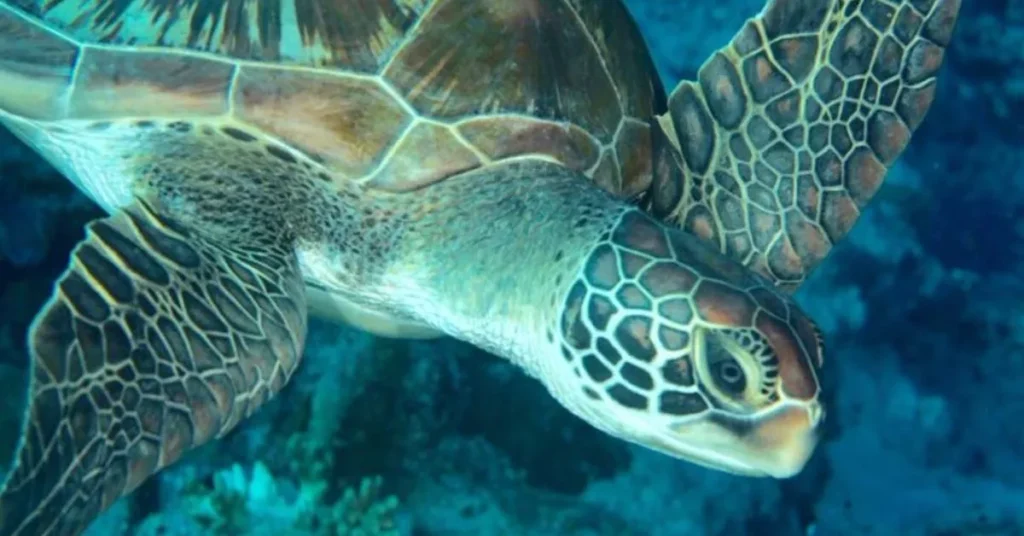
Scuba diving opens up a world of vivid coral reefs, tropical fish, sea turtles, and manta rays — perfect for underwater photography and exploration.
Deep-sea diving, on the other hand, reveals creatures adapted to darkness and pressure — like bioluminescent jellyfish, anglerfish, giant squid, and deep-sea corals that never see sunlight.
In Indonesian waters such as Raja Ampat, Cenderawasih Bay, or Banda Sea, scuba divers can explore WWII wrecks, while deep-sea missions might document rare species or volcanic vents at abyssal depths.
For divers seeking the ultimate experience, a Raja Ampat diving liveaboard combines advanced dive training with daily access to world-famous dive sites. Swim among manta rays, reef sharks, and pristine coral walls aboard our curated dive vessels.
Safety Risks and Mitigation
| Risk Type | Scuba Diving | Deep-Sea Diving |
|---|---|---|
| Decompression Sickness (DCS) | Manageable | High Risk |
| Nitrogen Narcosis | Mild at depth | Severe beyond 40m |
| Oxygen Toxicity | Rare | Frequent concern |
| Equipment Failure | Isolated risk | Life-critical |
| Rescue Accessibility | High | Low, delayed response |
Mitigating these risks involves strict adherence to dive tables, slow ascent rates, and buddy systems.
Deep-sea divers rely on hyperbaric chambers, saturation diving vessels, and real-time telemetry from surface teams for safety.
Which Dive is Right for You?
If your goal is to explore coral reefs, swim alongside manta rays, or photograph life beneath the waves — scuba diving is your ideal start. It’s accessible, thrilling, and perfect for anyone with curiosity and basic fitness.
But if you’re fascinated by the science of the deep, engineering underwater, or pushing human limits, deep-sea diving offers an unmatched challenge — a true test of endurance and mastery of technology.
🌊 Pro tip: Start small. Train as a recreational diver in Indonesia’s best locations — Raja Ampat, Komodo, or Alor — before progressing toward advanced or technical certifications.
Dive Into Indonesia’s Depths
Indonesia is home to both worlds of diving:
- Scuba Sanctuaries: Raja Ampat, Komodo, Alor
- Deep-Sea Frontiers: Cenderawasih Bay, Banda Sea, Sangihe Islands
Whether you’re drawn to the colorful reefs or the ocean’s hidden abyss, PhinisiTrip connects you to curated liveaboard experiences, certified dive instructors, and luxury expeditions into Indonesia’s most breathtaking waters.
👉 Plan your dive at our Diving Raja Ampat Liveaboards
Discover the beauty of the deep — safely, responsibly, and with style.
How deep is deep-sea diving compared to scuba diving?
Deep-sea diving usually exceeds 100 meters, while scuba diving typically remains within 40 meters — the recreational depth limit.
Is deep-sea diving dangerous?
Yes, deep-sea diving carries higher physiological risks such as decompression sickness, oxygen toxicity, and nitrogen narcosis, which require specialized training and equipment.
Can beginners try deep-sea diving?
No. Beginners should start with scuba certifications like PADI Open Water before advancing to technical or commercial diving.
Where can I scuba dive in Indonesia?
Top destinations include Raja Ampat, Komodo, and Alor — all offering world-class biodiversity and ideal conditions for every skill level.