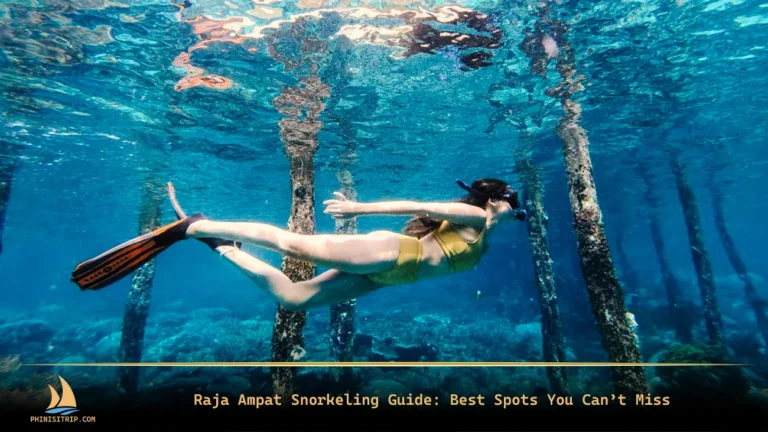
Hidden in the far reaches of Indonesia’s West Papua province, Raja Ampat is more than just a destination — it’s a living masterpiece of nature.
Imagine turquoise lagoons framed by limestone cliffs, coral gardens bursting with color, and the rhythmic glide of manta rays beneath the sunlit surface. For ocean lovers, Raja Ampat is not merely a place to visit — it’s a place to feel alive.
Often called “The Crown Jewel of the Coral Triangle,” Raja Ampat hosts the highest marine biodiversity on Earth. Scientists have recorded over 1,500 species of fish, 550 types of coral, and countless marine invertebrates — all within a region smaller than the British Isles. It’s no wonder that divers and snorkelers from around the globe consider it the ultimate underwater frontier.
But unlike many over-visited tropical paradises, Raja Ampat remains wild, untouched, and deeply connected to its indigenous communities. The local Papuan villages manage their own marine areas, ensuring that tourism supports conservation, not destruction. Every time you step into the water here, you’re witnessing one of the world’s greatest ecological success stories.
This comprehensive guide by Phinistrip.com is crafted to help you explore Raja Ampat responsibly and confidently.
Whether you’re planning your first snorkeling trip or returning for another encounter with its legendary reefs, you’ll find everything here — from the best snorkeling sites and travel logistics, to seasonal advice, eco-friendly practices, and custom itineraries curated by local experts.
Let’s dive in — literally — and discover why Raja Ampat snorkeling is the experience of a lifetime, a journey into one of the last truly pristine marine ecosystems on the planet.
Why Raja Ampat Is the World’s Ultimate Snorkeling Destination
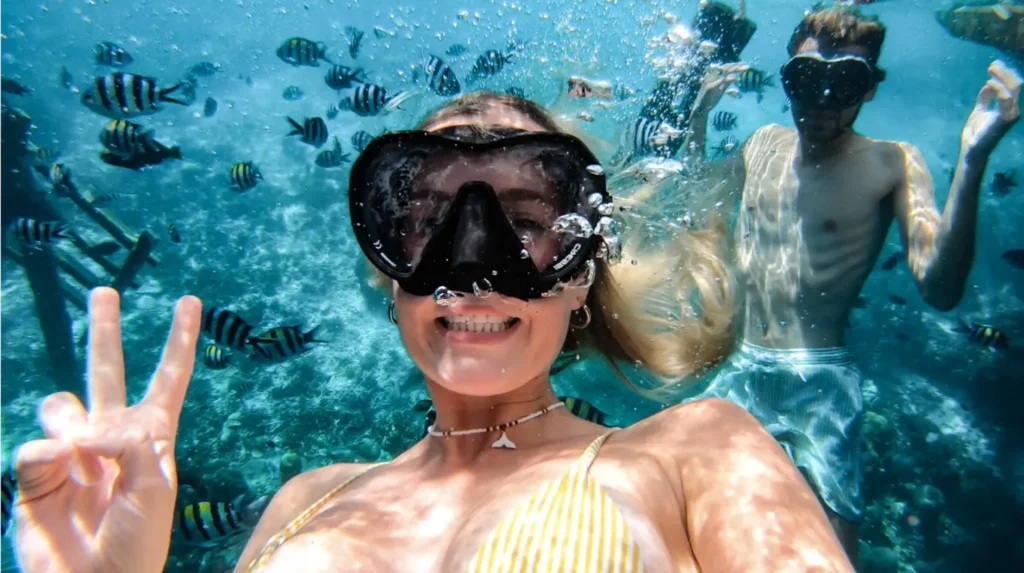
Imagine floating above reefs so alive they seem to breathe — schools of fish flashing in the sunlight, coral gardens stretching endlessly, and crystal-clear waters where visibility often exceeds 30 meters.
Welcome to Raja Ampat, Indonesia’s crown jewel of the sea and one of the last pristine marine frontiers on Earth.
Located off the northwest tip of West Papua, this remote archipelago is part of the Coral Triangle, the epicenter of global marine biodiversity. For snorkelers, Raja Ampat isn’t just another tropical escape — it’s the pinnacle of underwater exploration.
Located in the Heart of the Coral Triangle
The Coral Triangle spans six nations — Indonesia, Malaysia, Papua New Guinea, the Philippines, Timor-Leste, and the Solomon Islands — but Raja Ampat is its beating heart.
Here, powerful ocean currents from the Pacific and Indian Oceans converge, carrying nutrient-rich water that sustains a staggering variety of life.
This rare combination of warm equatorial waters, sheltered bays, and deep channels creates a mosaic of habitats — from coral gardens and mangrove-fringed lagoons to seagrass beds and drop-offs.
For snorkelers, that means every site offers something unique: kaleidoscopic coral slopes, vast plate coral formations, or walls teeming with soft corals and sea fans.
Unmatched Marine Biodiversity
Raja Ampat holds several world records for marine biodiversity.
According to Conservation International’s research, more than 1,500 fish species and 550 coral species inhabit these waters — roughly 75% of all known coral species on Earth.
A single snorkeling session can reveal:
- Parrotfish, butterflyfish, and wrasses dancing between corals
- Giant clams shimmering under sunlight
- Reef sharks patrolling channels
- Oceanic mantas gliding above cleaning stations
- Turtles, cuttlefish, and even the occasional wobbegong (carpet shark)
Unlike many coral regions affected by bleaching, Raja Ampat’s reefs remain resilient.
Local conservation zones, community patrols, and restricted fishing policies protect this fragile ecosystem, ensuring it thrives for future generations.
Sustainable Tourism & Pristine Reefs
Tourism in Raja Ampat is intentionally limited and community-driven. Local Papuan villages own most of the land and water rights, meaning visitors directly support indigenous livelihoods.
Several NGOs and local cooperatives — including The Nature Conservancy, Conservation International, and Misool Foundation — have helped establish Marine Protected Areas (MPAs) covering more than 2 million hectares.
These efforts have produced measurable results:
- Reef fish biomass has increased dramatically since 2010.
- Shark populations are recovering thanks to community-enforced sanctuaries.
- Coral coverage remains among the healthiest globally.
Visitors contribute through the Marine Park Entry Fee, which funds patrols, waste management, and education programs.
By traveling responsibly — choosing eco-certified operators and avoiding harmful sunscreens — snorkelers can ensure Raja Ampat’s beauty remains untouched.
Best Snorkeling Sites in Raja Ampat
Covering more than 40,000 square kilometers, Raja Ampat is divided into four main island groups: Waigeo, Batanta, Salawati, and Misool. Each region has its own snorkeling identity — from mellow coral gardens to adrenaline-filled drift sites.
Below is a breakdown of the top snorkeling sites, organized by region.
Northern Raja Ampat — Waigeo, Aljui Bay & Kawe
The northern area is home to remote reefs, dramatic limestone islands, and pelagic encounters. It’s ideal for snorkelers seeking off-the-grid exploration.
Aljui Channel
A narrow strait with coral-covered walls, home to soft sponges, pygmy seahorses, and schooling jackfish. The gentle current makes it suitable for intermediate snorkelers.
Wofoh Island
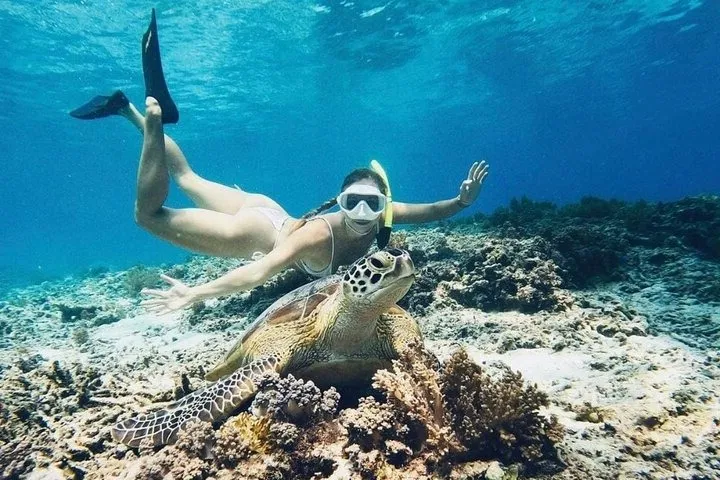
Wofoh offers a sheltered coral slope just off a white-sand beach — a perfect site for beginners. Expect vibrant coral bommies, reef fish, and occasional turtles.
Eagle Rock (Kawe)
Positioned near the equator line, this site is rich with life. Snorkelers often spot reef sharks, trevally schools, and manta rays gliding through the channel.
💡 Pro Tip: Kawe’s reefs are best visited with a local guide familiar with currents, as conditions can change quickly with tides.
Central Raja Ampat — Dampier Strait
This is Raja Ampat’s most accessible and action-packed region, often referred to as the “snorkeler’s playground.” Located between Waigeo and Batanta, it offers the highest diversity of both marine life and accommodation options.
Cape Kri
Legendary among divers and snorkelers alike — a single survey recorded 374 fish species in one session. The reef slope here bursts with color and life, from anthias clouds to barracuda and reef sharks.
Manta Sandy
A shallow cleaning station (8–12 meters deep) where manta rays gather between November and April. Snorkelers can hover quietly above as mantas glide gracefully below.
Arborek Jetty
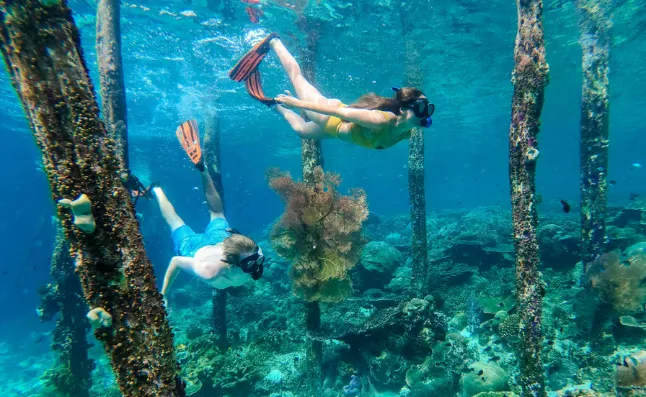
Perhaps the most iconic snorkeling spot in Raja Ampat. Beneath the wooden jetty, you’ll find dense coral gardens, giant clams, and schools of sergeant majors. The nearby village offers a friendly cultural stop.
Yenbuba & Sauwandarek
Easy-access reefs perfect for beginners and photographers. Expect shallow coral tables, soft coral patches, and occasional reef sharks in the distance.
🌿 Eco Tip: Arborek Village is part of a community-managed marine area, where tourism directly funds coral restoration and waste reduction programs.
Southern Raja Ampat — Misool Archipelago
The southern region, Misool, is Raja Ampat’s most remote and pristine area — famous for soft coral walls, rich colors, and dramatic underwater topography. It’s part of a No-Take Marine Reserve, one of the most successful community conservation stories in Indonesia.
Melissa’s Garden
A shallow coral wonderland surrounded by small limestone islets. Ideal for relaxed snorkeling, with dense coral formations and huge schools of damselfish and anthias.
Boo Windows
Named after its two iconic rock “windows,” this site offers one of the most photogenic underwater scenes in the world. Even snorkelers can view the light streaming through the holes into crystal water.
Nudi Rock
As the name suggests, this site is rich with macro life — nudibranchs, sea squirts, and colorful invertebrates thrive among soft corals. A paradise for macro photographers.
Fiabacet
Another highlight of Misool Marine Reserve — vibrant reefs teeming with life and dramatic drop-offs visible from the surface.
💬 Local Insight: Misool’s reefs are so pristine that even the shallows rival deep dive sites elsewhere. This area is best accessed via liveaboard or dedicated eco resorts like Misool Eco Resort.
See more: The 10 Most Breathtaking Dive Sites in Indonesia
Map & Site Overview
| Region | Top Sites | Highlights | Difficulty | Best Months |
|---|---|---|---|---|
| Northern (Waigeo) | Aljui Channel, Wofoh, Kawe | Walls, pelagics, soft corals | Moderate | Oct–Apr |
| Central (Dampier Strait) | Cape Kri, Manta Sandy, Arborek, Yenbuba | Mantas, easy access, diversity | Easy–Moderate | Year-round |
| Southern (Misool) | Melissa’s Garden, Boo Windows, Fiabacet | Soft corals, macro life | Moderate | Oct–Apr |
Best Time to Visit, How to Get There, and Where to Stay in Raja Ampat
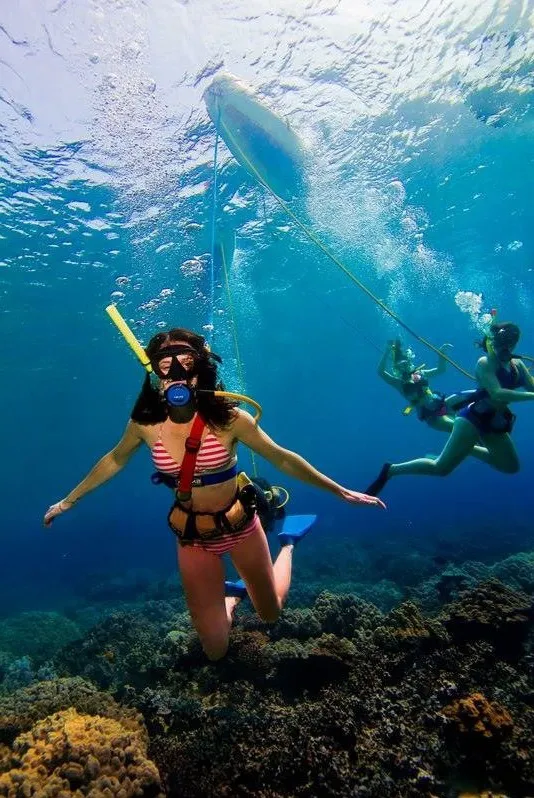
Understanding the Seasons
Raja Ampat enjoys a tropical maritime climate, warm year-round with air temperatures between 25°C and 32°C (77–90°F) and sea temperatures around 28–30°C (82–86°F) — ideal for snorkeling in every season.
However, the best visibility and calmest waters occur during the dry months from October to April.
- October to April (Dry Season)
The official snorkeling high season. Seas are calm, visibility exceeds 25–30 meters, and plankton blooms attract manta rays and turtles. These months also coincide with Indonesia’s northeast monsoon, which brings drier air to West Papua. - May to September (Windy Season)
Known locally as the southern monsoon, this period brings stronger winds and choppier seas, especially around open channels. However, it’s also quieter — ideal for travelers seeking serenity and lower accommodation rates.
Best Months for Marine Life Encounters
If your dream includes swimming with oceanic manta rays, plan your trip between November and March when the Manta Sandy and Manta Ridge cleaning stations are most active.
Meanwhile, coral spawning and juvenile reef fish sightings peak around October–December, creating an extraordinary biodiversity display.
Visibility and Water Conditions
The Dampier Strait and Misool regions offer year-round snorkeling opportunities, but conditions vary slightly:
- Dampier Strait: Clearest water from November to May
- Misool: Best conditions December to March
- Wayag & Piaynemo: Ideal from October to April
💡 Pro Tip: Plan snorkeling sessions in the morning when the sun is high and currents are gentle — perfect for underwater photography.
How to Get to Raja Ampat
Getting to Raja Ampat may seem remote, but it’s surprisingly accessible once you understand the route. The key is reaching Sorong (SOQ Airport) — the gateway city to the archipelago.
Step 1: Fly to Sorong, West Papua
Most travelers fly to Sorong via Jakarta (CGK), Makassar (UPG), or Manado (MDC).
Here are common routes:
- Jakarta → Sorong: Daily direct flights (~4 hours) via Batik Air, Lion Air, or Garuda Indonesia
- Makassar → Sorong: ~2 hours, multiple daily flights
- Manado → Sorong: ~1.5 hours, often used by those combining Bunaken or Lembeh with Raja Ampat
✈️ Insider Tip: Book morning flights into Sorong to align with the ferry schedule to Waisai (Raja Ampat’s main hub).
Step 2: Sorong to Waisai (Main Port of Raja Ampat)
Once you land in Sorong, you’ll continue your journey by public ferry or speedboat to Waisai on Waigeo Island.
- Public Ferry: 2 hours, departs twice daily (9 AM and 2 PM). Operated by Bahari Express.
- Private Speedboat: 1–1.5 hours, flexible schedule but higher cost (~IDR 2–4 million per trip).
🎟️ Note: Upon arrival in Waisai, all visitors must purchase a Marine Park Entry Permit (PIN) — currently around IDR 700,000 for Indonesians and IDR 1,000,000 for international visitors. This fee supports local conservation and community projects.
Step 3: Waisai to Your Resort or Homestay
From Waisai, most resorts arrange private transfers by boat to nearby islands. Depending on your destination:
- Dampier Strait resorts: 30–60 minutes
- Misool (south): 4–5 hours by speedboat or included in liveaboard itineraries
- Wayag & Piaynemo (north): 3–4 hours
Where to Stay in Raja Ampat
Accommodation in Raja Ampat reflects its harmony with nature — think eco-resorts built from local materials, floating bungalows, and community-run homestays.
Below are curated options by region, catering to both snorkeling accessibility and sustainability credentials.
Dampier Strait
Dampier Strait, between Waigeo and Batanta, is the most popular area for snorkelers due to its proximity to Sorong and a cluster of world-class reefs.
Recommended Stays:
- Kri Eco Resort – Pioneering eco-resort by Papua Diving, located directly above vibrant reefs. Excellent access to Cape Kri, Sardine Reef, and Manta Sandy.
- Raja Ampat Biodiversity Eco Resort – Intimate beachfront bungalows with a strong conservation ethos and local employment focus.
- Soul Scuba Homestay (Kri Island) – Budget-friendly yet authentic, offering guided snorkeling trips and cultural interactions.
🐠 Highlight: Snorkeling right off the jetty here can reveal blacktip reef sharks, barracudas, and schools of fusiliers — no boat required.
Read more: Deep Sea Diving vs Scuba Diving: What Really Sets Them Apart Beneath the Surface
Misool
Misool, in the far south, is a marine reserve covering 1,200 km² of pristine reef. It’s the crown jewel of Raja Ampat for serious snorkelers and conservationists.
Recommended Stays:
- Misool Eco Resort – World-famous for its private marine protected area, luxurious overwater villas, and community-led conservation programs.
- Yellu Homestay – Locally managed stay near Yellu Village, offering a cultural glimpse into traditional Papuan life and custom snorkeling tours.
🌏 Note: Misool’s remoteness means limited connectivity, but its underwater clarity and fish density are unmatched anywhere on Earth.
Wayag & Piaynemo
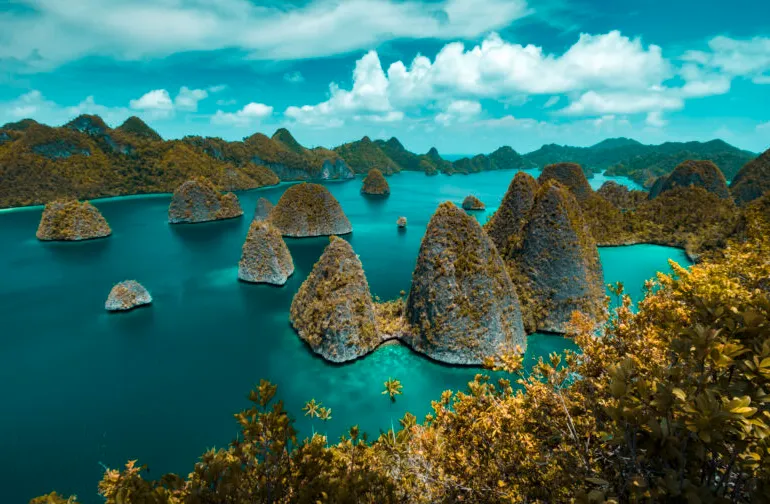
The photogenic karst islands of Wayag and Piaynemo define Raja Ampat’s global image — turquoise lagoons surrounded by emerald peaks.
Snorkeling here is tranquil, with shallow coral gardens and dramatic scenery.
Recommended Stays:
- Warikaf Homestay (Wayag) – Family-run accommodation with direct lagoon access and guided snorkeling tours.
- Fam Island Eco Resort (Piaynemo) – Mid-range comfort with panoramic views and access to coral gardens teeming with damselfish and parrotfish.
📸 Highlight: Sunrise snorkeling at Piaynemo Lagoon offers surreal light rays through crystal water — perfect for underwater photography.
Choosing Sustainable Accommodation
Choosing where to stay in Raja Ampat isn’t just about comfort — it’s about preserving the ecosystem that makes this region unique.
Here’s what to look for when booking:
- Marine Conservation Programs: Resorts that contribute to reef monitoring or fish population studies.
- Waste Management: Properties that commit to zero plastic use and proper waste removal.
- Local Partnerships: Resorts employing local Papuans and sourcing food sustainably.
- Eco-Certification: Look for partnerships with organizations like Conservation International or Misool Foundation.
💬 Phinistrip Insight: By staying in eco-certified lodges, you directly support coral restoration and marine patrol initiatives that keep Raja Ampat pristine.
How to Plan Logistically
| Step | Details | Duration | Notes |
|---|---|---|---|
| Fly to Sorong | From Jakarta/Makassar/Manado | 2–4 hrs | Book morning flights |
| Ferry to Waisai | Bahari Express | 2 hrs | Buy ticket at Pelabuhan Rakyat |
| Resort Transfer | Speedboat | 30 min–5 hrs | Pre-book with accommodation |
| Best Visit Time | Oct–Apr | — | Calm seas & mantas |
| Permit | PIN Raja Ampat | — | Required on arrival |
Reaching Raja Ampat takes time — but that’s what keeps it magical. Every ferry, flight, and wave you cross brings you closer to one of Earth’s last untouched marine sanctuaries.
When you finally slip beneath the surface and float above coral gardens alive with color, you’ll realize that the journey itself was part of the reward.
Top Snorkeling Sites, Marine Life & Hidden Gems in Raja Ampat
Raja Ampat is not one destination — it’s over 1,500 small islands, scattered across turquoise seas in one of the most biodiverse marine regions on Earth.
Each area offers its own underwater character, from manta-filled channels to quiet coral plateaus bursting with reef life.
In this part, we explore the most remarkable snorkeling locations, describe their unique marine ecosystems, and reveal hidden spots that most travelers overlook — so your journey with Phinistrip.com feels like pure discovery.
1. Cape Kri — The Legendary Coral Kingdom

Located in the Dampier Strait, Cape Kri holds a world record: marine biologist Dr. Gerald Allen documented 374 fish species in a single dive here.
It’s the ultimate showcase of Raja Ampat’s biodiversity, and for snorkelers, it’s pure magic.
Location
- Off the southeastern tip of Kri Island, near Kri Eco Resort and Papua Diving.
- Easily accessible by boat from Waisai (30 minutes).
What You’ll See
Expect dense coral slopes dropping into blue water, with schools of fusiliers, bannerfish, sweetlips, and the occasional Napoleon wrasse.
Above the reef, sea turtles graze lazily on sponges while blacktip reef sharks patrol the edge.
Snorkeler Tips
- Go during slack tide for the calmest current.
- Early mornings deliver the best visibility and light for photography.
- Bring a wide-angle underwater lens — the coral density is astonishing.
2. Manta Sandy — Dancing with Giants
If Raja Ampat had a spiritual center for snorkelers, it would be Manta Sandy — a shallow sandy channel where reef and oceanic manta rays gather for cleaning sessions.
Location
- Between Arborek Island and Mansuar Island, within the Dampier Strait.
- Accessible via boat (30–45 minutes) from Kri or Waisai.
What You’ll See
At 3–12 meters deep, you’ll hover above mantas looping gracefully over coral “cleaning stations,” serviced by tiny wrasses and butterflyfish. Their wingspans can reach 4–5 meters, yet they move with perfect silence.
Snorkeler Tips
- Stay calm and maintain distance (minimum 3 meters).
- Do not chase or dive toward mantas — let them come to you.
- Visit November to March, peak manta season.
🌿 Fun Fact: Each manta ray’s belly pattern is unique, allowing researchers to identify individuals like fingerprints.
3. Friwen Wall — The Snorkeler’s Kaleidoscope
Friwen Wall, just north of Waisai, is a spectacular vertical reef where color explodes from every direction.
Location
- Friwen Island, 10 minutes from Waisai by boat.
What You’ll See
Soft corals in electric pink, orange, and violet shades, mixed with clouds of anthias, butterflyfish, and wrasses.
Sea fans and crinoids cling to the wall, while the upper section offers calm shallows ideal for beginners.
Snorkeler Tips
- Circle the island slowly with the current.
- Late afternoon light creates dramatic hues for photos.
- Combine with a beach picnic at Friwen Bonda, a nearby white-sand island.
4. Arborek Jetty — Community Meets Coral

Arborek Village is one of Raja Ampat’s best examples of community-based tourism — and its jetty hides a thriving reef.
Location
- Arborek Island, central Dampier Strait.
What You’ll See
Under the wooden jetty, giant clams, juvenile reef fish, and soft corals flourish. Snorkelers often encounter squid, pipefish, and schools of jackfish weaving between the pillars.
Kids from the village often join the fun — it’s a heartwarming local connection.
Snorkeler Tips
- Ask permission before snorkeling directly near the village jetty.
- Stay for sunset — the sky turns the whole lagoon gold.
- Support local handicrafts (woven hats and wooden carvings) from Arborek women’s cooperative.
5. Piaynemo Lagoon — Snorkel in a Natural Cathedral
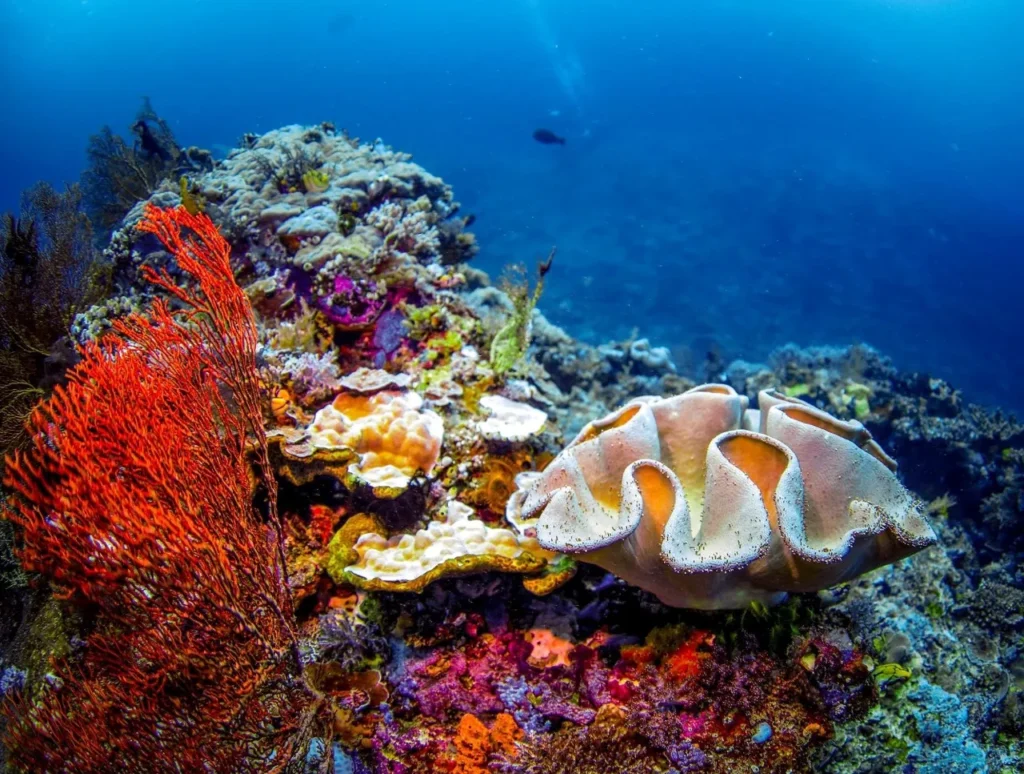
While Piaynemo is best known for its panoramic viewpoint, its hidden lagoons also shelter stunning coral gardens.
Location
North of Fam Islands, accessible via Waisai (2 hours by boat).
What You’ll See
Crystal-clear shallow water (2–5 meters deep) with coral bommies glowing in shafts of sunlight. Expect parrotfish, damselfish, and juvenile reef sharks.
Snorkeler Tips
- Go early morning to avoid boat traffic.
- Wear reef-safe sunscreen; the lagoon is very shallow.
- Visit the famous Piaynemo viewpoint afterward for unbeatable aerial photos.
6. Yenbuba Jetty — Accessible Coral Heaven
Yenbuba Jetty is one of the most popular snorkeling and diving spots in Raja Ampat, located on the western tip of Mansuar Island, just a short distance from Kri Island. The water here is crystal clear, revealing vibrant coral gardens and colorful reef fish right beneath the jetty. You can often spot schools of fish, clownfish among the anemones, and even sea turtles gliding by.
Location
Near Mansuar Island, Yenbuba Jetty is perfect for both new and seasoned snorkelers.
What You’ll See
Schools of snappers, sergeant majors, and turtles cruise by, while vibrant coral bommies thrive beneath the jetty.
This spot offers some of the highest coral coverage in the Dampier Strait.
Snorkeler Tips
- Calm conditions in early morning and late afternoon.
- Respect the jetty area — it’s part of the local village.
- Great combination site with Manta Sandy or Cape Kri.
Hidden Snorkeling Gems
Beyond the famous sites, Raja Ampat hides dozens of unmapped coral havens — quiet lagoons where you can drift undisturbed for hours.
Hidden Highlights:
- Mioskon Island: Gentle currents, tons of schooling fish.
- Gam Bay: Mangrove-fringed shallows, seahorses, and juvenile fish nurseries.
- Yeben Shallow: Virgin coral gardens rarely visited by tour boats.
- Daram Islands (Misool): Exceptional coral color and clarity, even better than famous dive spots.
✨ Phinistrip Tip: Hire a local snorkel guide — they know secret reefs where coral walls drop into cobalt water, often shared with only a few reef sharks and manta rays.
Marine Life of Raja Ampat — The Coral Triangle’s Crown
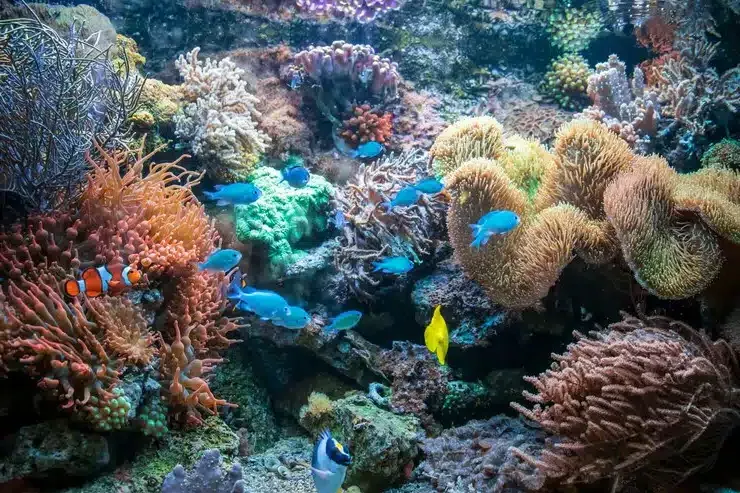
Raja Ampat sits at the epicenter of the Coral Triangle, where Pacific and Indian Ocean currents converge, creating ideal breeding grounds for marine life.
Biodiversity Highlights
- 1,500+ fish species
- 550 coral species (75% of the world’s total)
- 700+ mollusks
- 13 marine mammals including dolphins, whales, and dugongs
Iconic Snorkeling Encounters
- Reef Sharks: Blacktip, whitetip, and occasionally wobbegongs.
- Turtles: Hawksbill and green turtles frequent shallows near Kri and Arborek.
- Manta Rays: Oceanic and reef mantas glide around Misool and Arborek.
- Macro Life: Pygmy seahorses, nudibranchs, and anemonefish in all colors.
Underwater Photography Tips
Raja Ampat’s visibility and color range make it a paradise for underwater photographers.
To capture its full vibrancy:
- Use a red filter or adjust white balance for color correction.
- Shoot with natural sunlight — midday is best.
- Practice buoyancy control to avoid touching coral.
- Go macro at Misool, wide-angle at Dampier Strait.
🎥 Bonus: Many resorts offer guided “photo safaris” with local experts who know manta cleaning times and reef lighting angles.
Conservation Connection
Every snorkeler here plays a role in protecting this fragile paradise.
Raja Ampat’s reefs survive today because of local enforcement, marine protected areas, and community guardianship.
When snorkeling:
- Never stand on or touch coral.
- Use reef-safe sunscreen.
- Support marine park entry fees — they fund rangers and coral restoration.
🌿 Phinistrip Commitment: Every trip booked through Phinistrip partners contributes to reef monitoring programs led by local NGOs.
Raja Ampat’s Top Snorkeling Matrix
| Site | Highlight | Access | Experience Level |
|---|---|---|---|
| Cape Kri | Record-breaking biodiversity | Kri Island | Intermediate |
| Manta Sandy | Reef & oceanic mantas | Arborek area | All levels |
| Friwen Wall | Soft coral wall | Near Waisai | Beginner–Intermediate |
| Arborek Jetty | Community reef | Arborek Village | All levels |
| Piaynemo Lagoon | Shallow coral garden | Fam Islands | Beginner |
| Yenbuba Jetty | High coral density | Mansuar | All levels |
| Misool Daram | Remote pristine reefs | Misool | Advanced |
Snorkeling in Raja Ampat isn’t about ticking off locations — it’s about immersing in an ecosystem that still feels ancient and alive.
Every coral head, every swirl of fish, every gentle current tells a story of nature at its most perfect balance.
And when you finally lift your head from the water, surrounded by limestone islands glowing in afternoon light, you’ll understand why they call Raja Ampat “The Last Paradise.”
Responsible Snorkeling, Local Culture & Essential Travel Tips
Raja Ampat’s reefs are some of the most vibrant on Earth — but they are also among the most delicate.
Understanding how to engage respectfully with the ocean and the Papuan communities who protect it is part of what makes your journey not just unforgettable, but meaningful.
1. Practice Perfect Buoyancy
Even light contact with coral can cause irreversible damage. Use a snorkel vest or float belt if needed to maintain control, especially in shallow sites like Piaynemo Lagoon or Yenbuba Jetty.
2. Use Reef-Safe Sunscreen
Chemical sunscreens containing oxybenzone or octinoxate harm coral polyps. Instead, use zinc-based or titanium dioxide sunscreens labeled reef-safe, or wear a long-sleeve rash guard for extra protection.
3. Never Feed Fish or Touch Wildlife
Feeding disrupts natural behavior and can introduce pathogens. Maintain a respectful distance — let mantas, turtles, and reef sharks swim on their own terms.
4. Respect Local Guidelines
Each marine park area has its own rules, from no-go zones to turtle nesting protections. Always listen to local guides; they are the guardians of these ecosystems.
5. Support Conservation Directly
Many resorts and NGOs such as Misool Foundation, Papua Diving Conservation, and Conservation International run coral-restoration and reef-cleaning projects. Even small donations or volunteer time help preserve these waters.
💬 Phinistrip Insight: The healthiest coral gardens you’ll see in Raja Ampat exist because travelers and locals cooperate. Responsible snorkeling isn’t a restriction — it’s a privilege.
Understanding Raja Ampat’s Local Culture
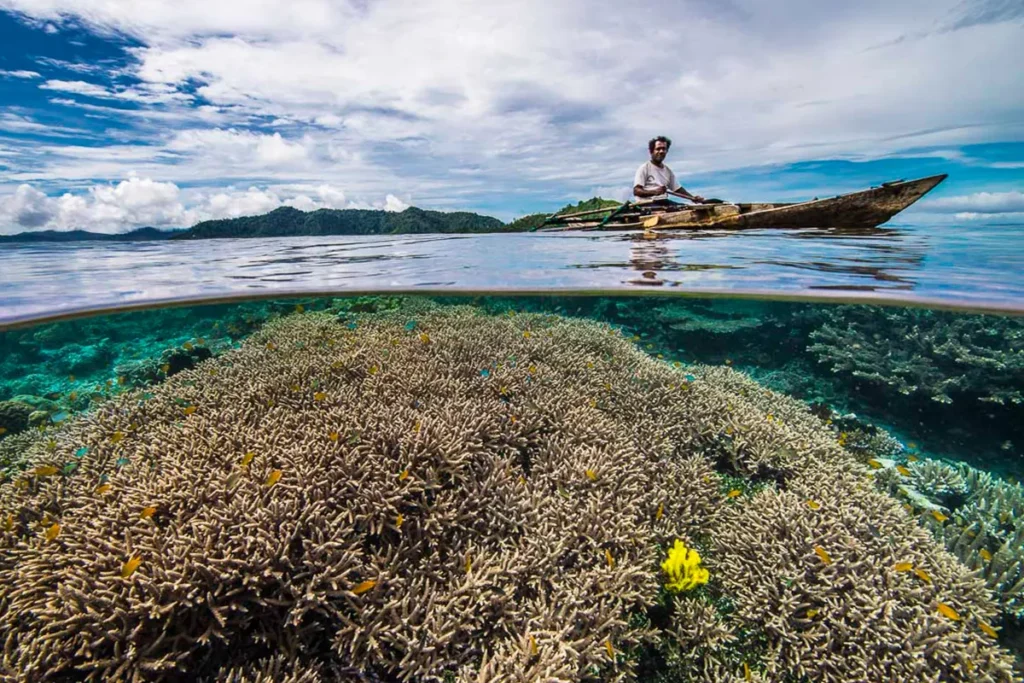
The islands are home to indigenous Papuan tribes such as the Matbat, Biak, and Ma’ya, each with distinct languages, dances, and ancestral traditions.
When visiting, it’s essential to engage with sensitivity and gratitude.
1. Community Interaction
- Always greet locals with a smile and polite “Selamat siang” or “Selamat sore.”
- Ask permission before taking photographs, especially of children or ceremonies.
- Participate in community activities like sago-cooking demonstrations or Papuan dance nights — they welcome cultural exchange.
2. Traditional Beliefs & Customs
Many coastal villages maintain sacred taboos (sasi) that temporarily ban fishing in specific reefs to allow nature to recover.
Respecting sasi areas reinforces your support for local marine stewardship.
3. Community-Based Tourism
Homestays like Arborek Homestay and Yellu Village Guesthouses are not just places to sleep — they are gateways to cultural immersion.
Your stay helps fund school programs, healthcare, and reef patrols.
Essential Travel Tips for Raja Ampat Snorkelers
1. Travel Preparation
- Visa: Most visitors receive a 30-day visa-free entry or Visa on Arrival.
- Permits: Obtain the Marine Park Entry Card (PIN) upon arrival in Waisai.
- Health: Bring basic medicines, reef-safe antiseptic, and motion-sickness tablets for long boat rides.
2. Budgeting
Raja Ampat is remote, so prices are higher than mainland Indonesia. Expect to spend:
- Homestays: IDR 400–700 k /night (pp)
- Eco-Resorts: IDR 2–8 million /night
- Liveaboards: IDR 25–60 million /week
See more: How to Plan Your Raja Ampat Travel Budget?
3. Money & Connectivity
There are ATMs in Sorong and Waisai, but not on small islands. Bring enough cash in small denominations. Internet is limited — embrace the digital detox.
4. Food & Drinks
Meals often feature fresh fish, cassava, sago, and tropical fruit. Tap water isn’t safe to drink; use refillable bottles with filtered water to reduce plastic.
5. Packing Checklist
- Mask, snorkel, fins (your own fit best)
- Rash guard / wetsuit
- Reef-safe sunscreen
- Dry bag for boat transfers
- Power bank & travel adapter (Type C/F)
- Light rain jacket for tropical showers
🎒 Pro Tip: Keep essential documents in a waterproof pouch during boat rides — the splash is part of the adventure.
Phinistrip’s Sustainable Promise
At Phinistrip.com, we believe travel should leave the ocean better than we found it.
Every Raja Ampat journey we curate partners with locally owned lodges, eco-certified liveaboards, and marine conservation initiatives that protect biodiversity and empower Papuan communities.
By choosing Phinistrip, you’re not just snorkeling the world’s richest reefs — you’re becoming part of their story.
Experience Raja Ampat by Liveaboard — The Ultimate Snorkeling Adventure
Ready to explore Raja Ampat beyond the shore?
A Raja Ampat Liveaboards offers the most immersive way to experience this marine wonderland. Imagine waking up each day at a new reef, slipping into crystal-clear water before breakfast, and gliding alongside mantas at sunrise.
Liveaboards combine luxury comfort, expert local guides, and access to remote sites unreachable from land.
Why Choose a Liveaboard with Phinistrip.com
- Daily access to remote snorkeling sites across Dampier Strait, Misool & Fam Islands
- Experienced Papuan guides who know secret reefs and manta cleaning stations
- Comfortable cabins, onboard dining, and small-group atmosphere
- Eco-conscious operations that follow strict reef-protection protocols
Plan Your Journey
Explore Raja Ampat Liveaboard Trips with Phinistrip.com →