Raja Ampat, in Indonesia’s West Papua, sits at the heart of the Coral Triangle – the world’s richest marine biodiversity hotspot. Its seas teem with life: roughly over 1,500 fish species and 550 coral species (about three‐quarters of all known coral varieties!) flourish here.
No wonder Raja Ampat is often called the “Amazon of the Oceans”.
Underwater, colorful reef fish, turtles, reef sharks and even manta rays are common sights, making every snorkel feel like a swim in a giant aquarium.
This guide covers the best snorkeling sites, safety tips, and practical advice to help both first-time snorkelers and luxury travelers make the most of Raja Ampat’s underwater wonderland.
Table of Content
About Raja Ampat & Its Marine Life
Location and Accessibility
Raja Ampat’s archipelago (over 1,500 islands) is geologically unique and ecologically unmatched. Its clear, warm waters support one of Earth’s highest marine diversities.
Visitors can snorkel among schools of reef fish, brilliant corals, and myriad critters. In sheltered lagoons and mangrove “blue-water” nurseries you’ll find macro life like nudibranchs (sea slugs) in astonishing variety. Juvenile epaulette sharks (“walking” sharks) and sea turtles often lazily glide by.
Mangrove channels on Gam Island even host strings of tiny bubble-gathering sea cucumbers and hunting archerfish.
On open reefs, look for reef sharks, bumphead parrotfish, and giant mantas at cleaning stations. In short, every swim is like entering an underwater paradise.
Unique Biodiversity and Marine Life
Home to over 600 coral species and 1,700 fish species, Raja Ampat boasts one of the richest marine ecosystems in the world. It’s like stepping into an aquatic wonderland where every dive feels like a treasure hunt.
Top Snorkeling Spots in Raja Ampat
Cape Kri

Cape Kri holds the world record for the highest number of fish species spotted in a single dive — 374! The reefs here are vibrant and teeming with life. Expect to drift past schools of snappers, fusiliers, and sweetlips. However, tides can produce strong currents, so always snorkel with fins and avoid swimming too far from shore.
This breathtaking coral garden is often visited from nearby Pianemo. Its soft and hard corals create a mesmerizing underwater landscape. Macro enthusiasts will find nudibranchs, shrimps, and tiny reef fish here — perfect for photography.
Misool Island
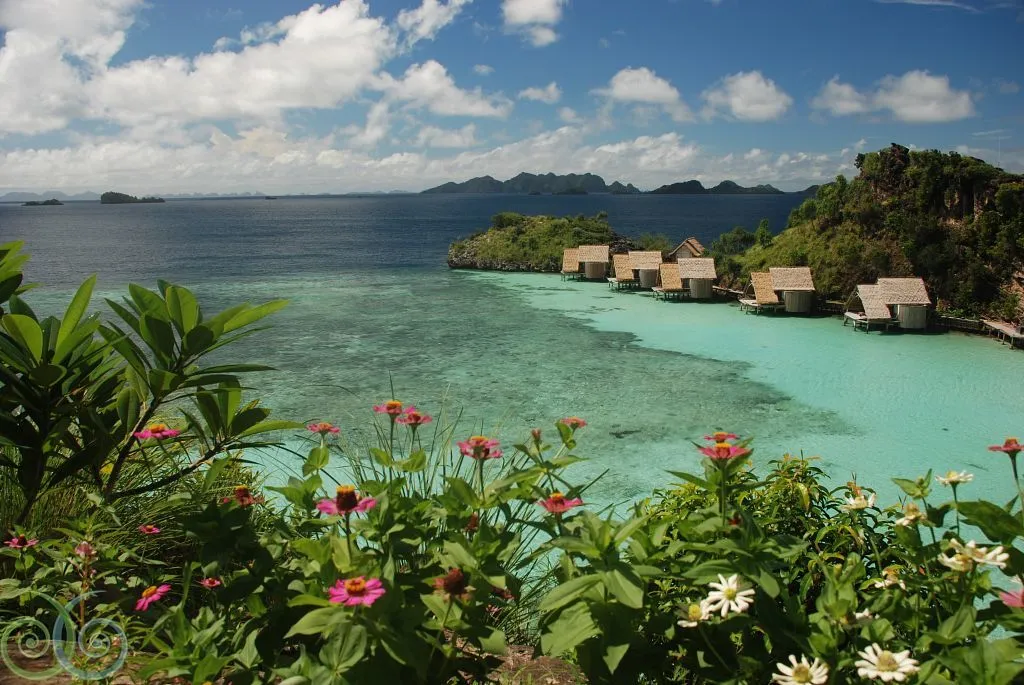
The southern region of Misool is a world of its own, filled with hidden lagoons and dramatic coral walls. Manta Sandy is a highlight — it’s a cleaning station where manta rays gather in groups. Snorkelers can float at the surface and watch these gentle giants dance beneath them.
Each of these sites proves why Raja Ampat is often ranked among the best snorkeling destinations on Earth. Almost everything divers see — from corals to reef sharks — is visible at snorkeling depth.
Arborek Island
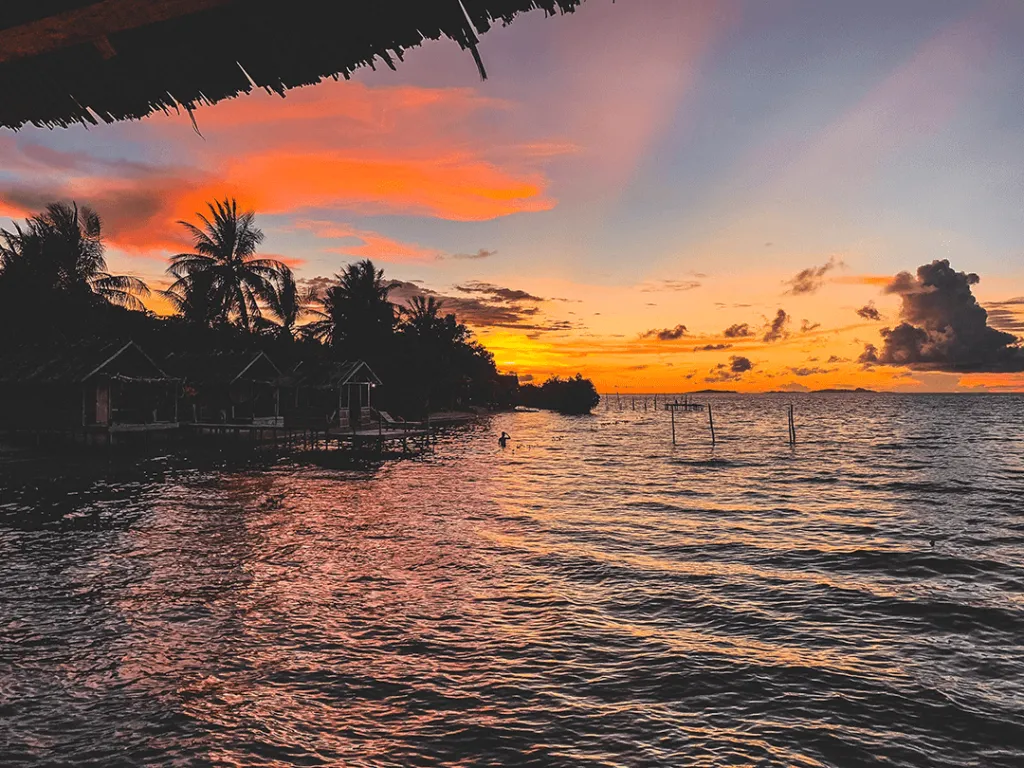
A classic Raja Ampat site, Blue Magic is a shallow pinnacle famous for encounters with manta rays, barracudas, and reef sharks.
The strong currents bring nutrient-rich water that attracts pelagic species. On calm days, snorkelers can float above the reef and watch large mantas glide below.
Friwen Wall
Friwen Wall is perfect for snorkelers who prefer shallow waters. The sheer variety of corals here is astounding, making it ideal for close encounters with vibrant marine life.
Yenbuba Jetty
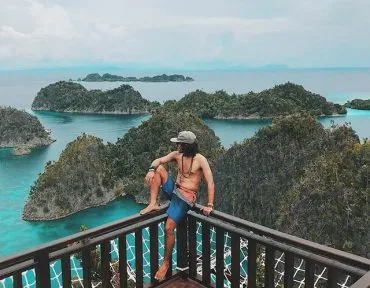
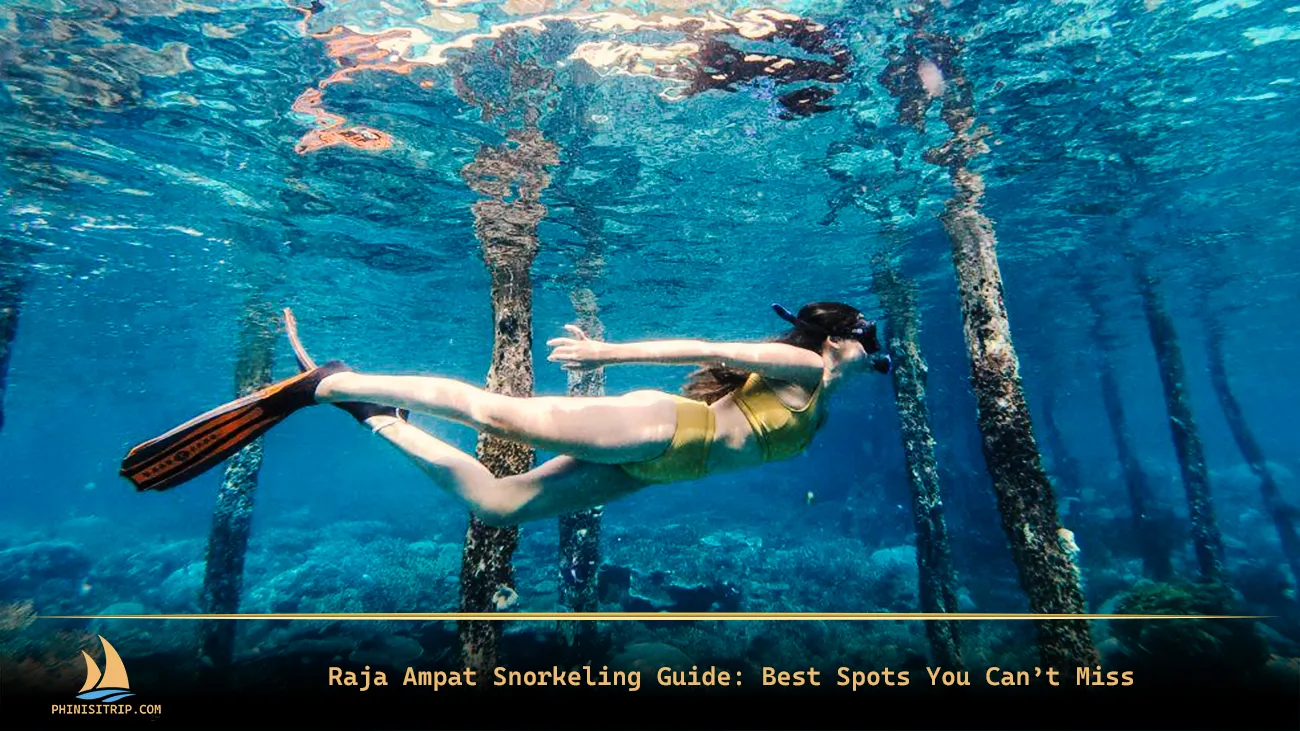
Yenbuba is perfect for beginners and families. Its shallow lagoon and calm waters make for relaxed snorkeling. Beneath the jetty, colorful corals attract parrotfish, turtles, and small reef sharks.
Many photographers love this spot for its vibrant colors and excellent visibility.
Batanta Island
For something more remote, Batanta offers reef snorkeling right at your doorstep. The coral slopes here are pristine, and in the seagrass meadows nearby, lucky snorkelers may even spot dugongs grazing peacefully. Local guides can arrange gentle drift snorkels along Batanta’s coastline.
Best Time to Snorkel in Raja Ampat
Raja Ampat enjoys tropical conditions year-round, with water temperatures between 27°C and 30°C. The best season for snorkeling is from October to April, when seas are calmest and visibility peaks.
During these months, the ocean is glassy and clear, making it easier to spot marine life like manta rays, turtles, and reef sharks. From May to September, occasional winds may affect surface conditions, but sheltered sites remain excellent for snorkeling.
What to Pack for Snorkeling in Raja Ampat
- Snorkeling gear
Bring your own mask, snorkel, and fins for the best fit. Rental gear is available locally, but quality and sizing can vary.
- Sun Protection
Always use reef-safe sunscreen and wear a rash guard or long-sleeve lycra suit. The tropical sun is harsh, and reflection from the water can intensify sunburn.
- Underwater camera
Capture memories without disturbing marine life.
- Other Essentials
Carry a dry bag, waterproof camera, reusable bottle, and plenty of drinking water. Even while swimming, dehydration can sneak up on you.
- Permits & Fees
Most accommodations or tour operators include marine park fees. Always confirm with your host and carry your permit when snorkeling in protected zones.
Tips for an Unforgettable Snorkeling Experience
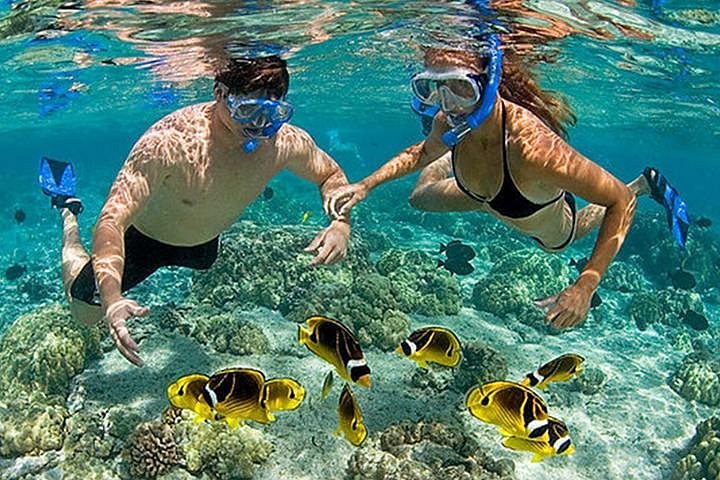
Raja Ampat’s currents can be unpredictable, so it’s best to snorkel with a guide or buddy. Always check the tide before entering the water and stay aware of your surroundings.
Never touch coral or marine life. Many species are fragile, and some (like stonefish or lionfish) can be dangerous when disturbed. If you encounter jellyfish, calmly move away — wearing a full suit helps prevent stings.
Drink plenty of water between swims and rest when needed. Lastly, inform your host or crew before heading out so they know where you plan to snorkel.
Conservation Efforts in Raja Ampat
Raja Ampat’s beauty depends on careful stewardship. Always snorkel responsibly — look but don’t touch, and avoid stepping on coral. Use only reef-safe sunscreen and take all trash back with you.
Support eco-friendly operators who work with local communities. Many resorts and liveaboards contribute to coral restoration or marine patrols. Your choices directly help preserve this fragile paradise.
Luxury Experience: Snorkel in Style with Phinisi Trip
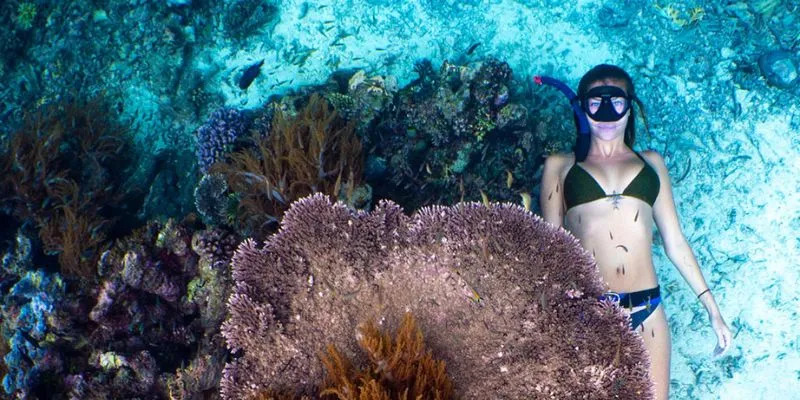
For travelers who want comfort and adventure combined, explore Raja Ampat aboard a luxury phinisi yacht from PhinisiTrip.com. These handcrafted wooden vessels blend traditional design with modern luxury — offering private cabins, fine dining, and professional guides.
You’ll sail effortlessly between top snorkeling spots like Misool, Arborek, and Cape Kri, with expert crew members ready to assist at every step. Phinisi Trip packages often include guided snorkeling sessions, full-board meals, and the option to extend your journey to Komodo Island.
It’s the perfect way to experience Raja Ampat’s underwater magic — without compromising comfort or style.
Raja Ampat isn’t just another snorkeling destination — it’s a living, breathing paradise that invites you to slow down and connect with nature. Whether you’re a beginner or an experienced snorkeler, the islands offer endless beauty above and below the waves.
Ready to dive in? Plan your luxury snorkeling escape today with Phinisi Trip and witness firsthand why Raja Ampat is truly the crown jewel of Indonesia’s oceans.